
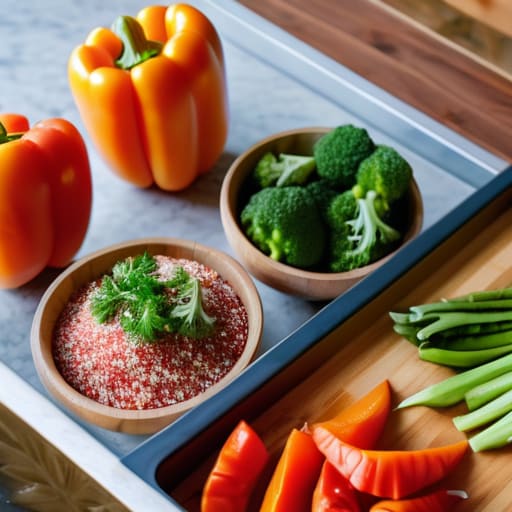
Can we please stop pretending that learning how to meal prep requires spending six hours in a designer kitchen with twenty identical glass containers and a color-coded spreadsheet? Honestly, the “aesthetic” meal prep side of social media is exhausting and, frankly, a lie. It turns a simple way to save time into a high-stakes hobby that feels more like a chore than a system. I used to think I had to be a gourmet chef just to avoid the $15 takeout trap, but that mindset was exactly what kept me stuck in a cycle of constant decision fatigue.
I’m not here to give you a Pinterest-perfect fantasy; I’m here to show you how to build a system that actually survives a chaotic work week. We’re going to strip away the gatekeeping and focus on the unpolished, realistic steps of how to meal prep without losing your entire Sunday to the kitchen sink. I’ll share the exact, low-friction methods I use to keep my fridge stocked and my brain quiet, so you can stop treating dinner like an emergency situation and start treating it like a solved problem.
Table of Contents
- Stop the Kitchen Chaos My Real World Approach to How to Meal Prep
- Ditch the Decision Fatigue With These Weekly Meal Planning Tips
- The Survivalists Guide to Budget Friendly Meal Prep
- Mastering Batch Cooking Techniques Without Losing Your Mind
- The Essential Setup From Meal Prep Grocery List to Storage Containers
- Five Small Systems to Keep Your Prep From Feeling Like a Chore
- The TL;DR: My Non-Negotiable Meal Prep Rules
- The Bottom Line
- Frequently Asked Questions
Stop the Kitchen Chaos My Real World Approach to How to Meal Prep
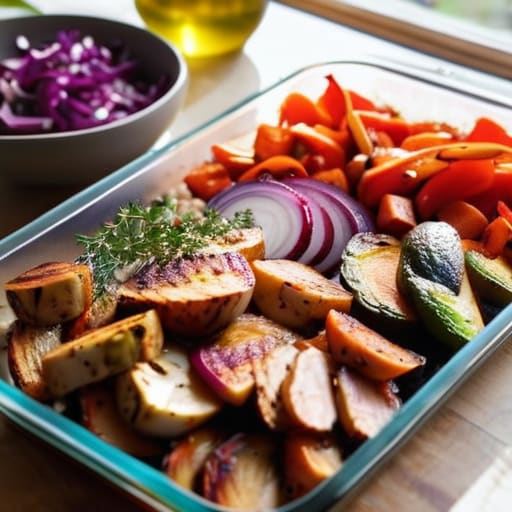
I used to think meal prepping meant spending my entire Sunday in a flour-dusted trance, producing ten identical Tupperware boxes of steamed broccoli and dry chicken. It was exhausting, and honestly? I hated it. My actual system is much more about low-friction batch cooking techniques than it is about rigid recipes. Instead of making full meals, I focus on prepping “building blocks.” I’ll roast two trays of mixed veggies, cook a massive pot of quinoa, and prep one versatile protein. This way, I’m not stuck eating the same thing every day; I’m just assembling different bowls based on whatever I’m actually craving.
The biggest game-changer for me was investing in decent meal prep containers for storage. If your containers leak or don’t stack, you’re going to avoid using them, and then your fridge just becomes a graveyard of half-empty jars. I also learned the hard way that you can’t wing it. I always sit down with a meal prep grocery list before I even step into the store. It keeps me from impulse buying things that will just rot in the crisper drawer, which is basically just throwing money in the trash.
Ditch the Decision Fatigue With These Weekly Meal Planning Tips
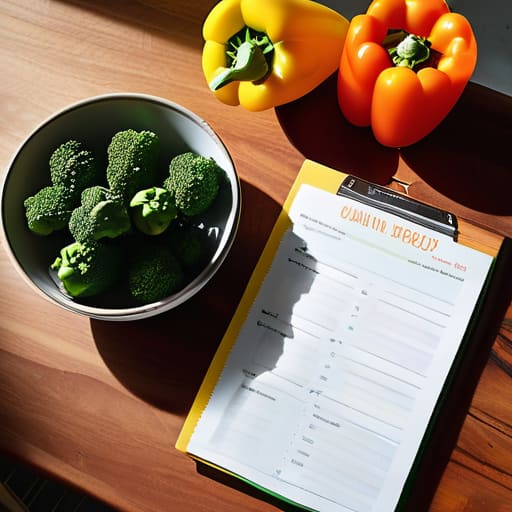
The hardest part of the whole process isn’t actually the cooking; it’s the mental load of deciding what to eat every single day. By Wednesday, my brain is usually fried, and that’s exactly when I end up spending $30 on mediocre takeout because I can’t face another decision. To fight this, I rely on a strict meal prep grocery list that I build every Saturday. I don’t try to reinvent the wheel every week; I just pick three versatile proteins, two grains, and whatever veggies are actually on sale. This keeps things budget friendly without making me feel like I’m eating the same sad salad for five days straight.
Once the plan is set, I lean heavily into batch cooking techniques to save my sanity. Instead of making individual recipes, I cook large quantities of base ingredients—think a massive pot of quinoa or a tray of roasted sweet potatoes. I then portion these into my favorite meal prep containers for storage, which makes grabbing lunch feel like a seamless, automatic movement rather than a chore. It’s all about removing the choice so you can just execute the system.
The Survivalists Guide to Budget Friendly Meal Prep
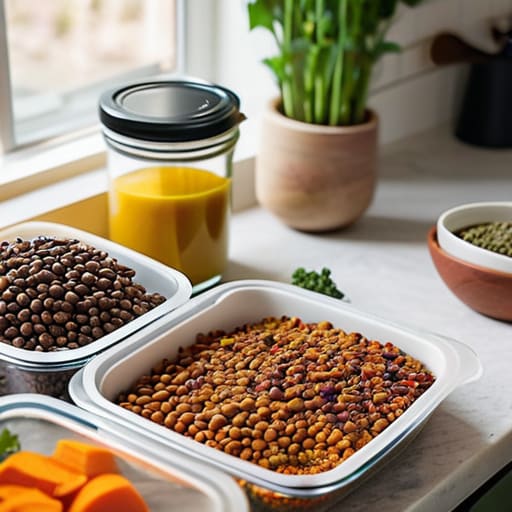
Let’s be real: the biggest barrier to staying on track isn’t a lack of motivation; it’s the cost of groceries. If you’re trying to do budget friendly meal prep without living exclusively on instant ramen, you have to stop shopping with your cravings and start shopping with a strategy. My golden rule is to build your meals around what’s actually on sale or what’s in season. I always start by drafting a strict meal prep grocery list based on a handful of versatile staples—think dried lentils, big bags of rice, or seasonal veggies—rather than grabbing whatever looks cute in the aisle.
Once you’re actually in the kitchen, the secret to making this work is leaning into batch cooking techniques. Instead of making five different recipes, I cook two massive components—like a huge tray of roasted sweet potatoes and a giant pot of seasoned black beans—and mix and match them throughout the week. It keeps things from getting boring without breaking the bank. Also, don’t skimp on your gear; investing in decent meal prep containers for storage is a game changer. If your food stays fresh and doesn’t leak in the fridge, you’re way less likely to give up and order takeout.
Mastering Batch Cooking Techniques Without Losing Your Mind
Here is the reality of batch cooking: it’s not about spending your entire Sunday hovering over a stove like a mad scientist. If you try to cook five different complex recipes at once, you’re going to burn out by Monday. Instead, I focus on component cooking. This means I’m not making “meals” in the traditional sense; I’m prepping versatile building blocks. I’ll roast two trays of seasonal veggies, boil a massive pot of quinoa, and prep two different proteins. When it’s time to eat, you’re just assembling, not cooking from scratch.
To keep this from feeling like a chore, you need to invest in decent meal prep containers for storage. If your containers are a mismatched collection of crusty plastic, you’re going to dread opening them. I swear by clear, airtight glass containers because they keep things fresh and actually look decent in the fridge. Once you have your components and your gear sorted, you can implement various batch cooking techniques—like slow-cooking a large batch of beans or shredding a rotisserie chicken—to make your weekday assembly feel almost effortless.
The Essential Setup From Meal Prep Grocery List to Storage Containers
Before you even touch a knife or turn on the stove, you need to get your logistics in order. I used to think I could just wing it, but I’d end up wandering the grocery aisles aimlessly, buying things I didn’t need and forgetting the one thing I actually required for dinner. Now, I never step foot in a store without a solid meal prep grocery list organized by aisle. It sounds basic, but it’s the difference between a quick, efficient trip and a thirty-minute spiral of decision fatigue.
Once you’re back in the kitchen, the real game-changer is your gear. Don’t bother with those cheap, flimsy plastic tubs that stain the second they touch tomato sauce. I spent way too long buying subpar stuff before realizing that investing in high-quality meal prep containers for storage is non-negotiable. You want something airtight and leak-proof that actually stacks neatly in your fridge. If your containers are a mess, your fridge becomes a mess, and if the fridge is a mess, you’re way more likely to give up on your systems entirely. Get the right tools once so you aren’t constantly fighting your equipment.
Five Small Systems to Keep Your Prep From Feeling Like a Chore
- Don’t try to cook five new recipes in one sitting. That’s a recipe for burnout, not efficiency. Instead, pick one “anchor” protein (like roasted chicken or seasoned chickpeas) and use it in three different ways throughout the week. It keeps things simple and saves you from standing over a stove for four hours straight.
- Use the “Component Prep” method rather than full meal assembly. Instead of making individual Tupperware containers of identical salads, just prep the building blocks—a big batch of grains, some roasted veggies, and a jar of dressing. It gives you the flexibility to mix and match so you don’t get bored by Wednesday.
- Invest in a few high-quality, airtight containers that actually stack well. I learned this the hard way: if your containers are a mismatched collection of random plastic tubs, your fridge will look like a junk drawer and your food will spoil way faster. Uniformity is a system, not just an aesthetic.
- Clean as you go. This sounds like something a mom would say, but it’s non-negotiable. If you let the dishes pile up while you’re chopping, you’ll finish your meal prep feeling exhausted and defeated instead of prepared. Wash the cutting board while the onions are sautéing. Your future self will thank you.
- Build in a “buffer” meal. Always leave at least one or two nights in your schedule for something low-effort or unplanned—like a frozen pizza or a quick sandwich. Life happens, plans change, and if your entire week is rigidly locked into a meal prep schedule, you’re going to feel like you’ve failed the moment you deviate from it.
The TL;DR: My Non-Negotiable Meal Prep Rules
Forget the Pinterest-perfect aesthetic; focus on building a repeatable system that actually fits your schedule, even if that just means prepping one protein or one grain at a time.
Protect your energy by automating the boring stuff—use a standardized grocery list and invest in decent containers so you aren’t fighting with mismatched lids when you’re hungry.
View meal prep as a tool to reduce decision fatigue, not as an extra chore on your to-do list; the goal is to make your future, tired self’s life significantly easier.
The Bottom Line
At the end of the day, meal prepping isn’t about achieving some Pinterest-perfect aesthetic or spending your entire Sunday elbow-deep in Tupperware. It’s really just about the systems we talked about—having a solid grocery list, mastering the art of batch cooking, and picking storage containers that actually fit in your fridge. Whether you’re focusing on slashing your grocery bill or just trying to avoid that 7 PM “what am I even eating?” panic, the goal is the same: reducing the mental load. If you can automate even just two or three meals a week, you’ve already won half the battle against the daily chaos.
Please, don’t feel like you have to overhaul your entire life overnight. If you try to prep twenty different meals this weekend and burn out by Tuesday, you’re just creating more friction, which is exactly what we’re trying to avoid. Start small. Pick one thing—maybe it’s just chopping all your veggies at once or making a massive pot of grains—and build from there. Adulthood is a lot easier when you stop treating every meal like a brand-new crisis and start treating it like a repeatable system. You’ve got this.
Frequently Asked Questions
How do I keep my prepped meals from getting soggy or tasting weird by Thursday?
The “Thursday Funk” is real, but it’s usually just a storage issue. First, let your food cool completely before sealing the lids—trapped steam is the enemy of texture and leads to that weird, mushy sogginess. Second, keep your sauces separate. Don’t drown your grains or proteins in dressing on Sunday; keep them in tiny containers and add them right before you eat. It makes a massive difference in freshness.
I don't have a ton of kitchen space—how can I meal prep without my entire counter being covered in Tupperware?
Small kitchens are my biggest struggle, honestly. If your counters are tiny, stop trying to prep everything at once. I swear by “component prepping” instead of full meals. Instead of ten containers of lasagna, just prep a big batch of roasted sweet potatoes, one protein, and a grain. Keep them in the fridge in a few versatile containers. It saves massive amounts of space and lets you mix and match without the Tupperware takeover.
Is it better to prep entire meals or just prep individual ingredients to mix and match during the week?
Honestly, it depends on your vibe, but I’m team “component prepping” all the way. Prepping entire meals is great if you want zero effort on Tuesday night, but it can get repetitive fast. If you prep individual ingredients—like a big batch of roasted veggies, some seasoned protein, and a grain—you get much more flexibility. It stops the “leftover fatigue” and lets you mix and match so you actually want to eat what you made.