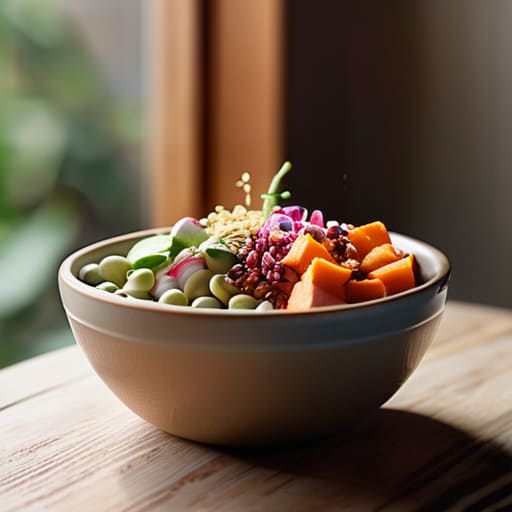
We’ve all been there: it’s 12:45 PM, you’re staring at a half-finished spreadsheet, and your stomach is doing that hollow, angry growl because you completely forgot to plan for food. Most people treat midday meals like an afterthought or, even worse, a frantic scramble for whatever overpriced takeout is closest to their desk. But honestly, relying on delivery apps is just a recipe for a mid-afternoon energy crash that ruins your entire productivity flow. I used to live in that cycle of chaos until I realized that finding reliable quick lunch ideas isn’t about being a gourmet chef; it’s about building a system that actually works when you’re tired.
In this post, I’m breaking down five specific, low-friction strategies to help you reclaim your lunch hour without spending your entire Sunday meal prepping. I’m not talking about complicated recipes that require twenty ingredients and an hour of cleaning; I’m sharing zero-stress assembly methods that take less than ten minutes. By the end of this, you’ll have a toolkit of repeatable ideas that will keep you fed, focused, and—most importantly—completely sane during the work week.
Table of Contents
The "Dump and Go" Grain Bowl
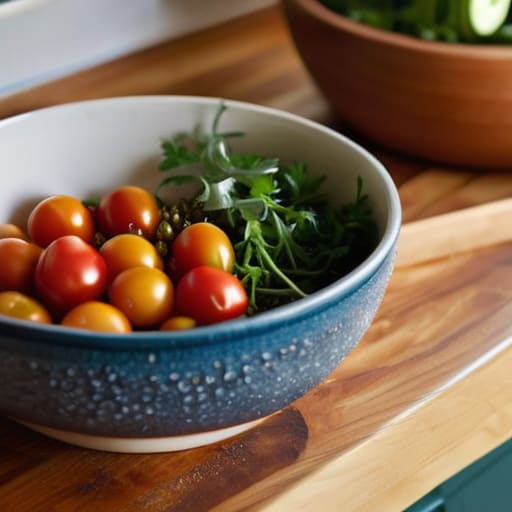
If you aren’t already buying pre-cooked quinoa or farro in those vacuum-sealed pouches, you’re making life harder than it needs to be. I keep a stash of these in my pantry because they take literally seconds to prep. You just grab a bowl, throw in a handful of the grains, add a can of rinsed chickpeas, and whatever raw veggies you have lying around—cucumber, cherry tomatoes, or even just some bagged arugula.
Adult Lunchables (The Charcuterie Method)
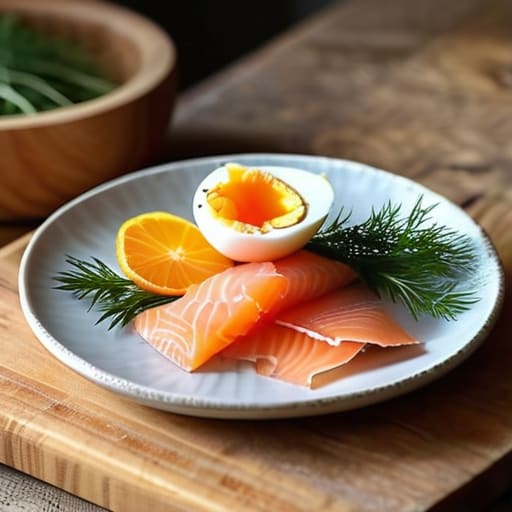
Some days, the idea of “cooking” or even assembling a salad feels like too much emotional labor. That’s when I lean into the glorified snack plate. I call it my “adult lunchable,” but it’s really just a strategic assembly of high-protein components that require zero heat. Think sliced deli turkey or smoked salmon, some hard-boiled eggs (which I usually boil in a big batch on Sundays), and a handful of almonds.
The Mason Jar Salad Hack
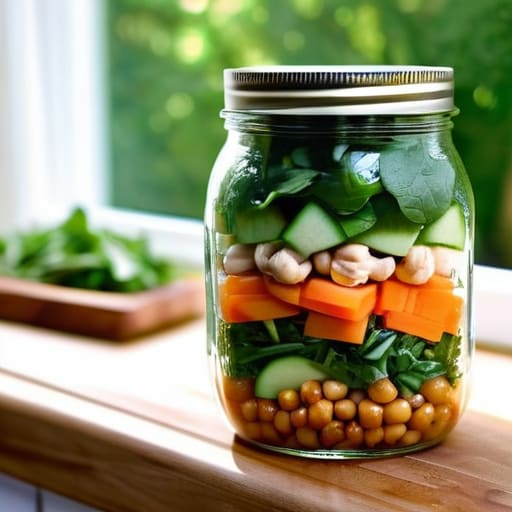
We’ve all seen those aesthetic salad jars on Pinterest, and honestly, they actually work for a reason. The trick is the layering system: put your dressing at the very bottom, followed by the “hard” stuff like cucumbers, carrots, or chickpeas, and keep your delicate greens at the very top. This prevents the dreaded soggy lettuce syndrome that makes most meal-prepped salads so unappealing.
High-Protein Wraps
Wraps are the ultimate “handheld” solution for when you’re working through lunch or need to eat while running errands. I like to use large whole-wheat or spinach tortillas because they hold up better than bread when you’re stuffing them with fillings. A quick go-to for me is rotisserie chicken—which is a total life hack if you can find one on sale—mixed with a little Greek yogurt instead of heavy mayo for a protein boost.
Loaded Savory Oats
Most people think of oatmeal as a sweet breakfast thing, but treating it as a savory base is a total game-changer for lunch. If you have leftover oats from the morning, or if you quickly boil some in vegetable broth, you can turn them into a warm, comforting meal in under five minutes. I love topping mine with a fried egg, some sliced avocado, and a dash of hot sauce.
The Bottom Line
Stop aiming for gourmet; aim for fuel that doesn’t require a mental breakdown to prepare.
Build a “formula” rather than a recipe so you can swap ingredients based on what’s actually in your fridge.
The goal isn’t perfect meal prep—it’s just having enough of a system in place that you aren’t staring blankly at the pantry at 12:30 PM.
Stop Overcomplicating Your Noon
At the end of the day, these lunch ideas aren’t about becoming a gourmet chef or spending your entire Sunday in a kitchen trance. Whether you’re leaning into the assembly-only method of a grain bowl, keeping a stash of high-quality canned beans for a quick protein hit, or just mastering the art of the “adult lunchable,” the goal is the same: removing the decision fatigue that usually hits right around 11:30 AM. You don’t need a complex recipe or a dozen specialized ingredients to eat well; you just need a few reliable systems that work when your brain is already fried from morning meetings.
I know how easy it is to let the midday meal slide into a bag of chips or a stressful, expensive takeout order, but I promise you that even a small shift makes a massive difference in how your afternoon feels. Adulthood is heavy enough as it is, so don’t let your lunch be another thing on your “to-do” list that feels like a failure. Pick one of these methods, try it out this week, and just focus on making it easy for your future self. You’ve got this.
Frequently Asked Questions
How do I keep these meals from getting soggy if I'm prepping them a few days in advance?
The “soggy salad” struggle is real, and it’s usually because of moisture management. My rule of thumb: keep the wet stuff away from the dry stuff. If you’re prepping bowls, put your dressing in a tiny separate container—don’t even think about pouring it over early. Also, layer your ingredients like a mason jar: heavy/wet stuff (like chickpeas or cucumbers) at the bottom, and your greens at the very top. It keeps everything crisp until you’re ready to shake it up.
What are some cheap, pantry-stable protein swaps if I'm on a tight budget this week?
When the grocery budget is looking thin, stop stressing about expensive deli meats or fresh chicken. I swear by my “pantry protein” list. Grab canned chickpeas or lentils—they’re dirt cheap and last forever. Canned tuna and sardines are also absolute lifesavers for quick meals. If you have a few extra dollars, a big bag of dried red lentils or even peanut butter can carry you through the week without breaking the bank.
I don't have a microwave at my desk—are there ways to make these actually taste good cold?
Honestly, the “sad desk salad” trope exists because people pack things that only work when steaming hot. If you’re working without a microwave, focus on textures and acidity. Swap heavy, creamy dressings for something bright like lemon or tahini—it keeps things from feeling heavy when cold. Also, lean into grains like farro or quinoa; they actually hold their structure better than soggy lettuce. Basically, if it doesn’t taste intentional at room temp, don’t pack it.