
I am so tired of seeing those “aesthetic” productivity influencers post videos of themselves waking up at 4:00 AM to meditate, journal, and color-code a digital planner that looks more like a piece of art than a tool. Honestly, most of those overcomplicated time management tips feel like they were designed for people who don’t actually have a life to run. If you’re like me, you don’t need a $50 leather-bound notebook or a complex ritual; you just need a way to stop your Tuesday from feeling like a constant state of emergency.
I’m not here to sell you on a lifestyle overhaul or some magical app that will suddenly fix your brain. Instead, I’m going to share the unpolished, slightly messy systems I actually use to keep my freelance business and my sanity from colliding. We’re skipping the gatekeeping and the fluff to focus on low-friction habits that actually work when you’re tired, overwhelmed, or just plain busy. This is about making your life run smoother, not adding more work to your to-do list.
Table of Contents
- Stop Living in Emergency Mode Real Time Management Tips
- Ditch the Chaos With Proven Daily Scheduling Methods
- Mastering the Eisenhower Matrix Technique for Real Priority
- Productivity Hacks for Professionals Who Hate Burnout
- Crushing Procrastination Strategies and the Pomodoro Technique Benefits
- Small Tweaks to Keep Your System from Breaking
- The Bottom Line: How to Actually Use This
- The Bottom Line
- Frequently Asked Questions
Stop Living in Emergency Mode Real Time Management Tips
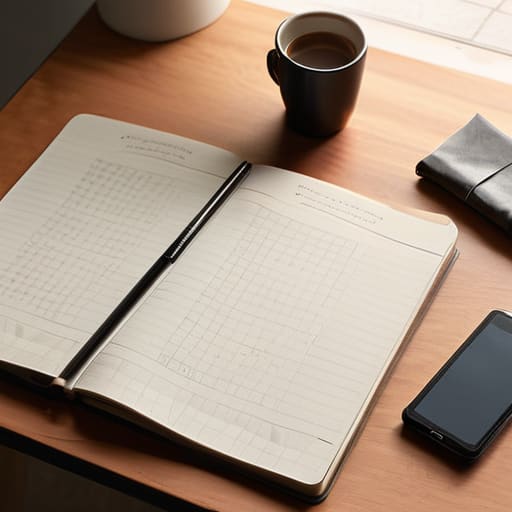
First, let’s talk about the trap of the “busy” signal. We often mistake being frantic for being productive, but spinning your wheels isn’t progress. To stop the chaos, I’ve leaned heavily on the Eisenhower Matrix technique. Instead of reacting to every ping on my phone, I categorize everything into urgent vs. important. If it doesn’t actually move the needle on my long-term goals, it gets moved to a “later” list or delegated. It sounds simple, but it’s the only way I’ve found to actually start prioritizing tasks effectively without feeling like I’m ignoring my responsibilities.
Once you’ve actually sorted your list, you need a way to execute without burning out by noon. This is where I use the Pomodoro technique benefits to keep my brain from melting. I set a timer for 25 minutes of deep work, followed by a five-minute break to stretch or grab water. It prevents that heavy, midday slump and makes big, intimidating projects feel way more manageable. It’s not about working harder; it’s about creating a rhythm that respects your energy levels.
Ditch the Chaos With Proven Daily Scheduling Methods
Honestly, the biggest mistake I see people making is trying to build a schedule that looks like a work of art. If your calendar is too rigid, one unexpected email or a late morning coffee run will derail your entire day, leaving you feeling like a failure. Instead of perfection, aim for structure. I’ve found that using the Eisenhower Matrix technique is a total game-changer when everything feels urgent. It forces you to stop reacting to every tiny ping on your phone and actually start prioritizing tasks effectively by separating what’s truly important from what’s just loud.
Once you know what actually matters, you need a way to actually do it without burning out by noon. This is where I lean heavily on the Pomodoro technique benefits—working in focused, timed sprints with actual, scheduled breaks. It’s one of my favorite productivity hacks for professionals because it keeps my brain from turning into mush. It turns a daunting eight-hour workday into a series of manageable sprints, making it way easier to stay on track without feeling like you’re constantly running a marathon.
Mastering the Eisenhower Matrix Technique for Real Priority
If you’ve ever spent three hours answering non-urgent emails while your actual deadline looms like a dark cloud, you’ve already met the problem the Eisenhower Matrix technique was built to solve. Most of us fail at productivity not because we aren’t working hard, but because we’re busy doing the wrong things. This method is basically a way to audit your brain. You take your massive, terrifying to-do list and split it into four quadrants: Urgent/Important, Not Urgent/Important, Urgent/Not Important, and Neither.
The real magic happens when you realize that most of our “emergencies” actually live in that third quadrant—the stuff that feels loud but doesn’t actually move the needle on your goals. To truly master prioritizing tasks effectively, you have to become ruthless about the “Important/Not Urgent” box. That’s where the deep work lives—the stuff that actually prevents future fires. If you can learn to spend more time in that quadrant, you stop reacting to life and start actually steering it. It’s not about doing more; it’s about doing what actually matters.
Productivity Hacks for Professionals Who Hate Burnout
Here is the reality: most productivity advice feels like it was written by someone who enjoys working 80-hour weeks and drinking nothing but black coffee. If you’re like me, that’s a fast track to total burnout. I’ve learned that true productivity isn’t about squeezing every last drop of labor out of yourself; it’s about working in a way that doesn’t leave you a shell of a human by 5 PM. One of my favorite ways to manage this is by leaning into the Pomodoro technique benefits, which basically means working in focused sprints followed by actual, mandatory breaks. It keeps your brain from turning into mush.
Another thing that saved my sanity while freelancing was finding better overcoming procrastination strategies that didn’t involve self-shaming. Instead of staring at a massive, intimidating project, I started breaking everything down into “micro-tasks” that take less than ten minutes. It lowers the barrier to entry so much that it’s harder to make excuses. When you stop treating your to-do list like a mountain and start seeing it as a series of small, manageable steps, the constant low-level anxiety of “having too much to do” finally starts to fade.
Crushing Procrastination Strategies and the Pomodoro Technique Benefits
Let’s be real: most of us don’t actually struggle with a lack of time; we struggle with the paralyzing urge to avoid the task sitting right in front of us. I used to think procrastination was just a character flaw, but it’s usually just a sign that a project feels too big and intimidating. Instead of trying to power through a massive, vague goal, I’ve found that overcoming procrastination strategies works best when you shrink the target. If you can’t commit to an hour of work, commit to ten minutes. Usually, the hardest part is just breaking that initial seal of resistance.
This is where the Pomodoro technique benefits actually kick in for people like us who get easily distracted by a random notification or a sudden urge to clean the kitchen. By setting a timer for 25 minutes of deep work followed by a 5-minute break, you’re essentially giving your brain a finish line. It turns a marathon into a series of short sprints. It’s not about working harder; it’s about tricking your brain into staying focused long enough to actually get into a flow state without feeling like you’re trapped in a cubicle forever.
Small Tweaks to Keep Your System from Breaking
- Stop relying on your brain to remember everything. I used to think I had a great memory until I realized I was spending half my mental energy just trying not to forget a grocery list or a client email. Use a “second brain”—whether that’s a simple Notes app or a physical pocket notebook—to dump every single thought immediately. If it’s not written down, it doesn’t exist.
- Audit your “micro-distractions.” We all know about the big time-wasters like scrolling TikTok for an hour, but it’s the little things that kill your flow—checking a notification mid-sentence or opening a new tab “just for a second.” Try a “closed-tab policy” during deep work blocks where you only have exactly what you need open. It sounds intense, but it stops the mental bleed.
- Build in “buffer zones” between tasks. One of the biggest mistakes I made early on was scheduling things back-to-back like a robot. Real life happens: a meeting runs over, your laptop needs an update, or you just need five minutes to breathe. If you schedule 15 minutes of “nothing” between big tasks, you won’t feel like you’re failing the second things don’t go perfectly.
- The “Two-Minute Rule” is a lifesaver for preventing clutter. If a task pops up that takes less than two minutes—answering a quick Slack, filing a receipt, or putting a dish in the dishwasher—do it immediately. Letting these tiny things pile up is exactly how “small tasks” turn into an overwhelming mountain of dread by Friday afternoon.
- Set a “Hard Stop” for your workday. Since I work freelance, the lines between “home” and “work” get blurry fast. Without a set time to close the laptop and put the phone away, you’ll end up in a state of constant, low-level burnout. Deciding that work ends at 6:00 PM (or whatever works for you) forces you to be more intentional with the hours you actually have.
The Bottom Line: How to Actually Use This
Stop trying to build a perfect, aesthetic life on Pinterest; focus on building small, messy systems that actually work when you’re tired or stressed.
Productivity isn’t about doing more things; it’s about making sure you’re doing the right things so you don’t spend your whole life feeling like you’re just putting out fires.
Be kind to yourself when a system fails—just tweak the process, grab your multi-tool, and get back to it.
The Bottom Line
At the end of the day, none of these tools—whether it’s the Eisenhower Matrix, the Pomodoro technique, or a structured daily schedule—are meant to turn you into some kind of productivity robot. They’re just tools in your kit, much like the multi-tool I keep in my bag, designed to help you navigate the friction of a busy life. We’ve covered how to prioritize what actually matters, how to stop the procrastination spiral, and how to build systems that prevent that constant, low-grade feeling of being overwhelmed. The goal isn’t to squeeze every single second out of your day for maximum output; it’s about creating breathing room so you aren’t constantly playing catch-up.
If you feel like you’re failing because you can’t stick to a perfect routine, please give yourself some grace. Real life is messy, and your systems will break sometimes—that’s just part of the process. The trick isn’t to achieve perfection, but to build resilience into your habits so that when things go sideways, you can reset without spiraling. Start small, pick one method that actually feels intuitive to you, and let the rest go for now. You don’t need to master everything by Monday; you just need to start making life a little bit easier, one small system at a time.
Frequently Asked Questions
How do I actually stick to these systems when my schedule keeps getting hijacked by unexpected emergencies?
This is where most people throw in the towel, but honestly? Expecting a perfect day is the quickest way to fail. When things go sideways, don’t try to force your old schedule back together. Just pivot to “Minimum Viable Productivity.” Pick the top two things that actually matter and let the rest slide. Build in “buffer blocks”—empty spaces in your calendar specifically meant for the inevitable chaos. It’s not a failure; it’s just part of the system.
Is there a way to use these methods without feeling like I'm turning my entire life into a rigid, soul-crushing spreadsheet?
Honestly, I get it. The second a system feels like a chore, you’re going to abandon it. The trick is to treat these methods as guardrails, not a cage. Don’t try to schedule every minute of your day; just use them to protect your energy. If a Pomodoro session feels too intense, skip it. Use the Eisenhower Matrix just to decide what to say “no” to. Systems should serve you, not the other way around.
Which of these techniques should I start with if I’m currently feeling completely overwhelmed and don't even know where to begin?
Honestly, when I’m spiraling and my brain feels like it has fifty tabs open, I go straight to the Eisenhower Matrix. It sounds fancy, but it’s really just a way to stop treating every tiny notification like a five-alarm fire. Don’t try to fix your whole life today. Just grab a piece of paper, dump everything out, and figure out what actually needs your attention right now versus what’s just loud noise. Start there.