I am so tired of seeing “wellness influencers” act like you need a PhD in nutrition or a $200 grocery budget to eat well. Most of the advice floating around social media makes it feel like you have to meticulously weigh every single gram of kale just to figure out how to build a balanced meal. Honestly, it’s exhausting. We’ve turned something as basic as fueling our bodies into this high-stakes, expensive performance that feels more like a chore than actual nourishment. It’s all just unnecessary gatekeeping designed to make you feel like you’re doing it wrong.
I’m not here to give you a complicated meal plan or a list of “superfoods” you can’t pronounce. Instead, I want to give you a repeatable, low-friction system that actually works when you’re tired, busy, or just don’t feel like cooking. I’m going to show you how to use a simple mental framework to get your macros in place without the stress. This is about stripping away the noise and giving you the unpolished, practical steps to making your nutrition run smoothly every single day.
Table of Contents
Understanding How to Build a Balanced Meal
Look, we’ve all been there: staring into a fridge full of ingredients, feeling completely paralyzed by the idea of “eating healthy.” Most people think they need a PhD in nutrition to get this right, but it’s actually much simpler when you stop looking at individual calories and start looking at the big picture. To me, a balanced meal isn’t about perfection or restrictive dieting; it’s about finding a sustainable protein vegetable carbohydrate ratio that keeps you full without that mid-afternoon energy crash.
Instead of getting bogged down in complex math, I like to think in terms of visual cues. If you can master healthy plate proportions, you’ve already won half the battle. I usually aim for a heavy dose of greens, a solid palm-sized portion of protein, and a controlled amount of complex carbs. This isn’t about deprivation; it’s about ensuring you’re getting enough nutritional density to actually fuel your brain for work. Once you understand this basic framework, you stop guessing and start building meals that actually work for your lifestyle.
Key Things to Know
Before you start diving into recipes, there are a few non-negotiable realities you need to accept. First, stop looking for a perfect “magic formula” and start looking at your protein vegetable carbohydrate ratio. It’s not about being precise to the gram; it’s about ensuring no single group is doing all the heavy lifting. If your plate is 90% pasta, you’re going to crash by 3 PM. The goal is to create a sense of equilibrium so your energy stays steady throughout the day.
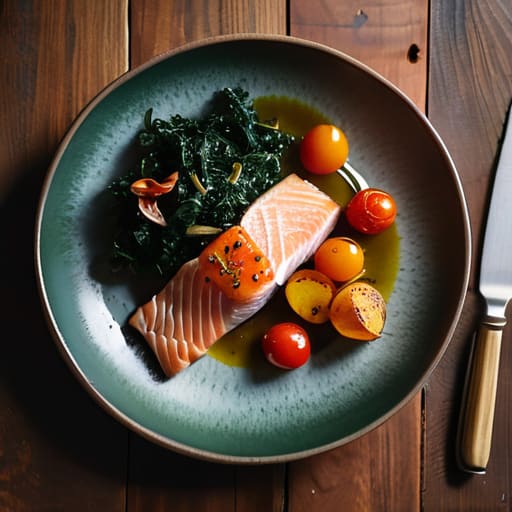
I also want to touch on the concept of nutritional density explained in a way that actually makes sense for a busy schedule. It’s easy to get caught up in calorie counting, but that usually just leads to burnout. Instead, I focus on healthy plate proportions. I try to fill half my plate with color (veggies), a quarter with protein, and the last quarter with something complex like grains or starchy veg. If you can master this visual cue, you’ve basically hacked your way out of needing a complex macronutrient distribution guide every single time you sit down to eat.
Practical Tips and Steps
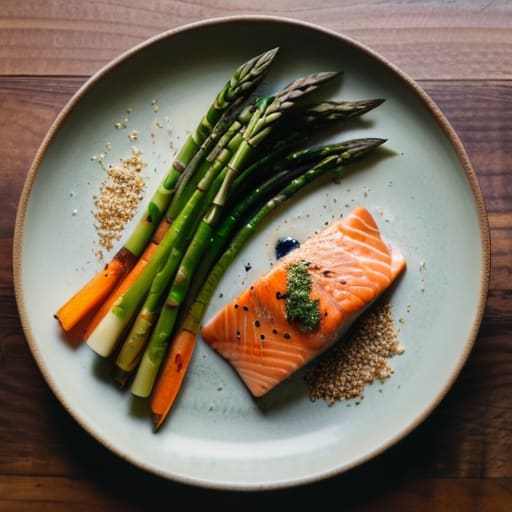
Instead of staring at your fridge feeling overwhelmed, I like to use a simple visual system. Forget measuring everything out with a scale; just look at your plate as a map. A good rule of thumb for healthy plate proportions is to fill half of it with colorful veggies, a quarter with a solid protein source, and the last quarter with your complex carbs. This isn’t about restriction; it’s about creating a reliable protein vegetable carbohydrate ratio that keeps your energy from crashing two hours after lunch.
If you’re someone who struggles with consistency, I highly recommend leaning into meal prepping for nutrition on a small scale. You don’t need to spend your entire Sunday in the kitchen. Just prep a big batch of roasted veggies and a single protein—like shredded chicken or seasoned chickpeas—so you can assemble bowls in minutes during the week. When you have these components ready, you stop making impulsive, low-energy food choices and start following a system that actually works for your lifestyle.
Common Mistakes to Avoid
The biggest mistake I see people make is falling into the “all or nothing” trap. You either try to follow a super rigid macronutrient distribution guide that feels like a math equation, or you just wing it and end up eating a bowl of plain pasta for the third night in a row. Both extremes lead to burnout. When you try to be too perfect, you stop enjoying your food, and that’s when the system breaks down. Aim for a general protein-vegetable-carbohydrate ratio that works for you rather than trying to hit exact gram counts every single time.
Another pitfall is ignoring the “hidden” energy drains, like over-relying on processed snacks because you didn’t plan ahead. I used to think I was eating well, but I realized my meals lacked actual nutritional density, leaving me crashing by 3 PM. It’s not about eating less; it’s about making sure what you do eat actually fuels you. Don’t let a lack of simple prep turn your dinner into a stressful scavenger hunt for nutrients.
Final Thoughts
At the end of the day, I don’t want you to feel like you need a degree in nutrition just to eat lunch. The goal isn’t perfection; it’s about creating a repeatable rhythm that works for your actual life. If you can master a basic protein-vegetable-carbohydrate ratio, you’ve already won half the battle. Once that becomes second nature, you’ll stop viewing every meal as a stressful math equation and start seeing it as just another system that keeps your energy steady.
Don’t feel like you have to overhaul your entire pantry overnight. Start small—maybe by focusing on better portion control tips or simply adding one more green to your plate. If you’re someone like me who thrives on a bit of structure, you might even find that meal prepping for nutrition on Sundays makes your Tuesday night much less chaotic. Just keep it simple, keep it functional, and remember that consistency beats intensity every single time. You’ve got this.
My Low-Friction Rules for a Better Plate
- Use the “visual plate” method instead of counting calories. Just eyeball your plate: half should be veggies, a quarter protein, and a quarter carbs. It’s way faster than pulling out a kitchen scale every single night.
- Keep “emergency proteins” in your pantry. Having canned chickpeas, tuna, or frozen edamame on hand means you won’t default to a bowl of plain cereal just because you’re too tired to cook from scratch.
- Don’t fear the fats, just choose the right ones. A bit of avocado or olive oil isn’t the enemy; it actually helps your body absorb the nutrients from your veggies and keeps you from feeling hungry twenty minutes after eating.
- Master the “one-pan” strategy. If you can roast your protein and your veggies on the same sheet pan with some seasoning, you’ve won. Less cleanup means you’re actually more likely to stick to the system long-term.
- Season as you go, not just at the end. A little salt, acid (like lemon juice or vinegar), and some spices during the cooking process makes a massive difference in how satisfying a meal feels without needing heavy, processed sauces.
The TL;DR
Stop chasing perfection or complex recipes; just focus on hitting your basic ratios of protein, fats, and carbs so you aren’t guessing every time you eat.
Build a “modular” pantry with versatile staples so you can assemble a meal in ten minutes instead of staring blankly at the fridge.
Use these systems to reduce decision fatigue—the goal isn’t to be a chef, it’s to fuel yourself without it feeling like a second job.
The Bottom Line
At the end of the day, building a balanced meal isn’t about achieving some impossible level of culinary perfection or following a rigid, soul-crushing meal plan. It’s really just about having a reliable framework—getting your protein, healthy fats, and fiber in the right proportions so you don’t crash two hours after eating. Whether you’re throwing together a quick grain bowl between client calls or prepping something slightly more intentional on a Sunday, the goal is to remove the decision fatigue that usually leads to us just ordering takeout. If you focus on those core building blocks and avoid the trap of overcomplicating every single ingredient, you’ve already won the battle.
Please don’t let the idea of “healthy eating” turn into another source of stress in your life. Adulthood is chaotic enough as it is; your food should be a system that supports you, not a chore that drains you. Start small, be kind to yourself when you inevitably grab a bag of chips for dinner, and just keep refining your process. Once you find a rhythm that works for your specific lifestyle, you’ll realize that nourishing your body can actually be one of the most seamless, low-maintenance parts of your entire day.
Frequently Asked Questions
Does this system still work if I’m eating out or grabbing something quick from a takeout spot?
Honestly, this is where most people throw in the towel, but the system actually works better here because it gives you a filter. When I’m grabbing takeout, I stop looking at the menu as a list of cravings and start looking at it as a puzzle. Can I add a side of greens to this burger? Is there a way to swap the fries for something roasted? It’s about making small, tactical adjustments rather than trying to be perfect.
How do I adjust these portions if I’m trying to fuel up for a workout versus a sedentary workday?
Think of your plate as a sliding scale rather than a fixed rule. On a sedentary workday, lean heavier into the fiber and protein—think more greens and less heavy starch—to avoid that mid-afternoon energy crash. When you’re fueling for a workout, flip the script. You need more complex carbs to actually power your movement. Increase your grain or potato portions to ensure you aren’t hitting a wall mid-set.
What are some easy, low-effort swaps for when I don't have the energy to cook a full meal from scratch?
Look, some days the “system” just breaks and you’re too drained to chop a single onion. That’s fine. Instead of ordering expensive takeout, try the “assembly method.” Grab a rotisserie chicken, a bag of pre-washed arugula, and some microwaveable quinoa. It’s not a gourmet chef moment, but it’s a balanced plate assembled in three minutes. Frozen veggie medleys and canned chickpeas are also lifesavers. Just aim for assembly, not cooking.