
I was staring at a bag of slimy, liquefied spinach in my crisper drawer last Tuesday—the third time this month—and I realized I wasn’t just throwing away produce; I was throwing away my hard-earned money. Most “eco-friendly” advice out there makes it feel like you need to become a full-time composter or follow a complex, aesthetic meal-prep ritual just to learn how to reduce food waste. Honestly, if a system requires me to spend three hours every Sunday hovering over a cutting board, I’m probably going to fail. We don’t need more complicated lifestyle hacks; we need actual systems that work when life gets messy and your schedule gets chaotic.
I’m not here to sell you on a Pinterest-perfect pantry that looks good but is impossible to maintain. Instead, I want to share the low-maintenance, slightly unpolished methods I’ve used to stop my fridge from becoming a graveyard. I’m talking about realistic, repeatable habits—from how I organize my shelves to the specific way I shop—that actually stick. We’re going to strip away the guilt and the gatekeeping so you can finally start using what you buy before it goes bad.
Table of Contents
Understanding How to Reduce Food Waste
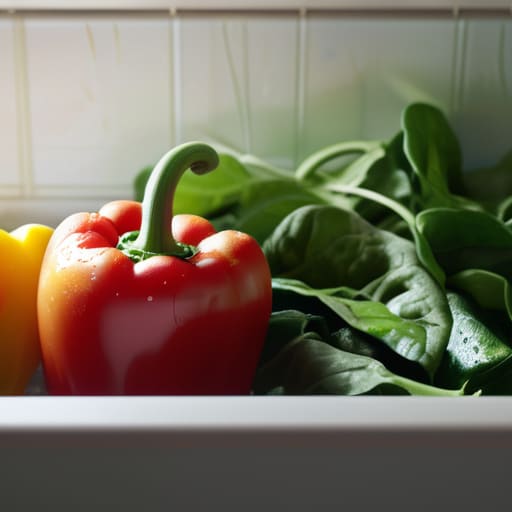
Before we dive into the actual “how-to,” we need to be honest about why this happens in the first place. It’s rarely because you’re a bad person; it’s usually because your system is broken. Most of us buy groceries with the best intentions, but then life happens—work gets busy, we get tired, and suddenly that bag of spinach is basically liquid in the crisper drawer. To fix this, you have to stop viewing food as a permanent fixture in your pantry and start seeing it as something with a finite lifespan.
The real secret isn’t about being perfect; it’s about understanding expiration dates versus actual quality. There is a massive difference between “sell by,” “use by,” and “best before,” and getting confused by those labels is one of the fastest ways to toss perfectly good food. Once you stop treating every date on a package like a legal deadline, you’ll find that you’re actually reducing grocery expenses without even trying. It’s less about willpower and more about knowing exactly what you have and how long it’s actually going to last.
Key Things to Know
Before we dive into the actual “how-to,” we need to clear up some common misconceptions that usually cause the most friction. First off, stop stressing over every single label in your pantry. Most people get tripped up by understanding expiration dates, but there is a massive difference between “use by” and “best before.” One is about safety, while the other is just a suggestion for peak quality. If your yogurt is a day past its “best by” date but smells fine, it’s probably totally okay. Don’t let a label dictate your trash can habits.
The second thing to realize is that this isn’t about being a perfect, zero-waste chef; it’s about sustainable kitchen habits that actually fit your schedule. If you try to jump straight into intense meal prepping or complex composting, you’ll probably burn out by Tuesday. Instead, focus on small wins, like mastering a few basic food storage techniques to keep your greens from turning into slime. It’s about building a system that works for your real, messy life, not some aesthetic version of it you saw on TikTok.
Practical Tips and Steps
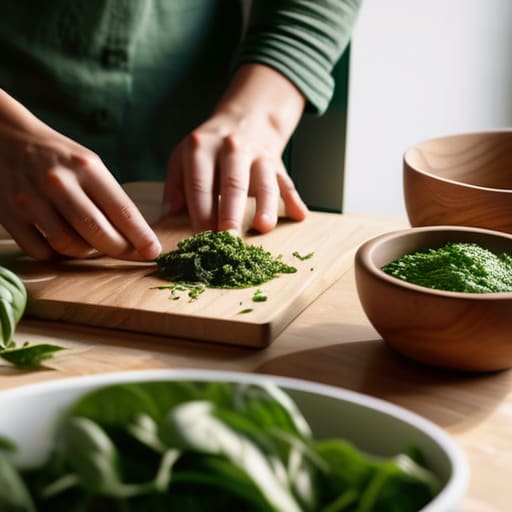
First, we need to talk about the “buy everything in sight” impulse. I used to come home from the grocery store feeling like I’d won a prize, only to realize three days later that half my produce was turning into mush. The fix isn’t some complicated lifestyle overhaul; it’s just meal planning for beginners. Before you even step foot in the store, look at what you already have. If you have a half-empty jar of pesto and some wilting spinach, that’s your dinner plan. Stop buying duplicates just because you think you might need them later.
Once you actually get the food home, the real work begins with your food storage techniques. Most people just toss everything in the crisper drawer and hope for the best, but that’s a recipe for disaster. I’ve learned that treating your fridge like a curated system—keeping herbs in water like flowers or moving berries to glass containers—makes a massive difference. It’s about being intentional with where things live so they actually stay fresh long enough to be useful.
Common Mistakes to Avoid
One of the biggest traps I see people fall into is treating “Best By” dates like a death sentence. We’ve all been there—tossing a perfectly fine yogurt just because the calendar says so. The reality is that understanding expiration dates is more of an art than a science; most of the time, those labels are about peak quality, not safety. If you’re throwing away food strictly because of a printed date, you’re basically just tossing money into the bin.
Another mistake is the “all-or-nothing” approach to meal prep. I used to think I had to spend my entire Sunday prepping every single ingredient for the week, but that’s a recipe for burnout. If your system is too rigid, you’ll end up ignoring it by Wednesday. Instead of intense, complex prep, focus on small, sustainable kitchen habits like washing your greens immediately or portioning out snacks. It’s about building a flow that actually fits your lifestyle, rather than forcing yourself into a chore that feels like a second job.
Final Thoughts
At the end of the day, don’t let the idea of a “perfect” zero-waste lifestyle paralyze you. If you try to overhaul your entire existence overnight, you’re just going to burn out by Tuesday. I’m a big believer in incremental shifts. Maybe this week you just focus on better food storage techniques so your spinach actually lasts more than forty-eight hours, or maybe you start understanding expiration dates a little more deeply so you aren’t tossing perfectly good yogurt just because the label says so.
The goal isn’t to be a sustainability influencer; it’s just to stop feeling like you’re throwing money into the bin. Building sustainable kitchen habits is really just about creating a rhythm that works for your specific schedule and budget. Start small, keep your systems low-maintenance, and be kind to yourself when a bag of kale inevitably turns to slime. We’re all just figuring this out as we go, one organized fridge at a time.
5 Low-Effort Systems to Keep Your Groceries Alive
- Stop the “hidden veggie” tragedy by doing a quick scan of your crisper drawer every Sunday night. If something is looking a little sad or limp, move it to the front or toss it into a “use me now” bowl in the fridge so you actually see it before it turns into a science project.
- Master the art of the “everything” soup or stir-fry. Instead of letting those random half-onions or that single carrot die in the back of the drawer, keep a designated container in your freezer for veggie scraps. Once it’s full, boil it down into a quick stock—it’s basically free flavor.
- Learn the difference between “sell by,” “use by,” and “best before” so you stop throwing away perfectly good food just because a printed date told you to. Most of the time, your nose and eyes are way more reliable than a generic timestamp on a carton of yogurt.
- Treat your freezer like a second pantry, not a black hole. If you realize on a Tuesday that you aren’t going to finish that loaf of bread or that batch of spinach before it goes bad, freeze it immediately. Most things—from herbs in olive oil to leftover sauce—freeze surprisingly well.
- Shop with a “reverse grocery list.” Before you head to the store, look at what you actually have left and build your meal plan around those ingredients first. It prevents that cycle of buying a new jar of pesto because you forgot you already had one buried under the pasta.
The TL;DR on keeping your kitchen functional
Stop buying in bulk just because it’s on sale; if your system can’t handle the volume before it spoils, you’re just paying to throw money in the trash.
Treat your fridge like a high-turnover inventory—move the older stuff to the front and eye level so it actually gets used instead of hiding in the back.
Forgive yourself when things go bad, but use it as data to tweak your next grocery run so you aren’t repeating the same expensive mistakes.
The Bottom Line
At the end of the day, reducing food waste isn’t about becoming a zero-waste influencer or mastering some complex fermentation technique. It’s really just about lowering the friction between you and your groceries. We talked about auditing your fridge, mastering the art of the “use-it-up” meal, and finally stopping that cycle of impulse buying things you know you won’t actually cook. If you can implement even two of these systems—like a dedicated “eat me first” bin or a quick weekly pantry check—you’re already ahead of the game. It’s about shifting from a reactive mindset to a proactive system that actually works with your real, messy life.
Please don’t beat yourself up if you have a bad week and end up tossing a bag of wilted spinach. Adulthood is a constant series of recalibrations, and perfection is honestly just a recipe for burnout. The goal isn’t to be flawless; it’s to be slightly more intentional than you were yesterday. Every time you choose to meal prep a little more effectively or shop with a smarter list, you’re reclaiming both your money and your time. Start small, keep your systems simple, and just keep showing up for yourself. You’ve got this.
Frequently Asked Questions
Is it actually worth the extra effort to meal prep, or am I just setting myself up for more stress?
Honestly? It’s only worth it if you stop trying to be a Pinterest chef on a Sunday afternoon. If you attempt to cook five complex, gourmet meals for the week, you’re definitely setting yourself up for burnout. For me, it’s about “component prepping”—just roasting a big batch of veggies or cooking extra grains. Don’t aim for perfection; aim to reduce the number of decisions you have to make when you’re exhausted on a Tuesday.
How do I know which leftovers are actually safe to eat versus when I should just toss them?
Honestly, the “sniff test” is a lie—it’s not foolproof. If it’s been sitting in the fridge for more than four days, just toss it. That’s my hard rule. For everything else, look for the red flags: slimy textures, weird off-smells, or any visible fuzz. If you’re even slightly questioning it, don’t risk a night of food poisoning just to save three dollars. When in doubt, throw it out. It’s just not worth the chaos.
What are some low-effort ways to use up those random, half-empty jars and wilted veggies at the end of the week?
Honestly, don’t overthink it. If your veggies are looking a little sad, toss them into a big batch of roasted sheet-pan veggies or throw them in a blender for a quick soup. For those random half-empty jars, I usually turn them into “fridge scrap” pesto or a quick marinade. If you can’t eat it now, chop it up and freeze it for a future stir-fry. Just clear the clutter and save the flavor.