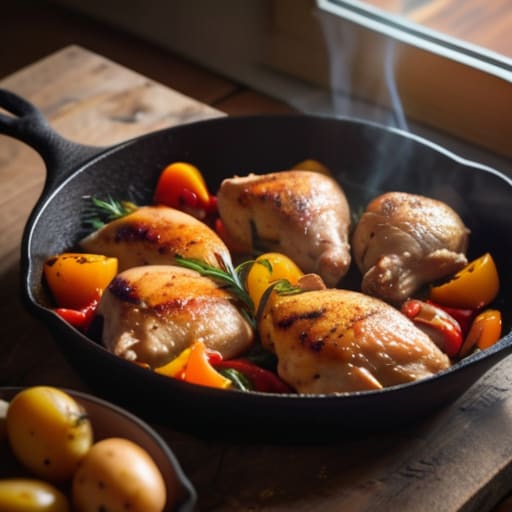
Let’s be real: some days, the mere thought of standing over a stove for forty minutes followed by a mountain of scrubbing is enough to make me want to just order takeout again. I get it. Between managing freelance deadlines and trying to maintain some semblance of a social life, my kitchen often feels like a battlefield of dirty pans and wasted time. I used to think that eating a “real” meal required a complex ritual, but I’ve realized that adulthood is much more manageable when you embrace easy one pot meals. It’s not about being a gourmet chef; it’s about reducing the friction of your evening so you can actually relax once the food is done.
In this post, I’m breaking down five of my absolute go-to recipes that prove you don’t need a sink full of dishes to eat something that actually tastes good. I’m sharing the exact systems I use to whip up nutritious, filling dinners in a single vessel, from savory grains to hearty proteins. By the time you finish reading, you’ll have a solid rotation of low-effort meals that will help you stop treating dinner like a daily crisis and start treating it like the simple, functional part of your routine it’s meant to be.
Table of Contents
The "Dump and Simmer" Chili
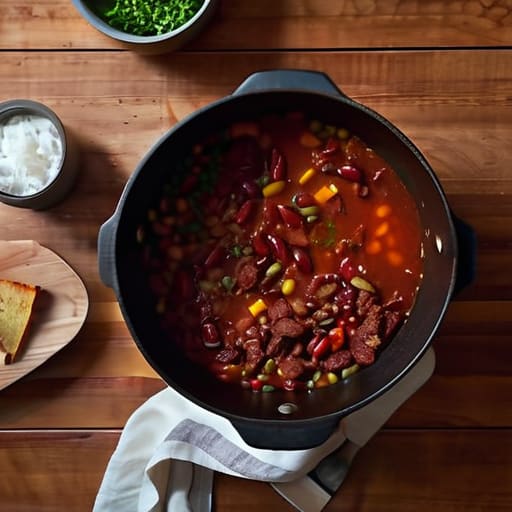
There are nights when the mere thought of chopping an onion feels like a personal insult. This is where my “dump and simmer” chili system comes in. You basically grab a can of beans, a jar of decent salsa, some ground meat (or lentils if you’re feeling plant-based), and a packet of chili seasoning, then throw it all into one heavy pot. No sautéing, no standing over a stove watching for splashes—just minimal effort for a massive payoff.
Sheet Pan Sausage and Veggies
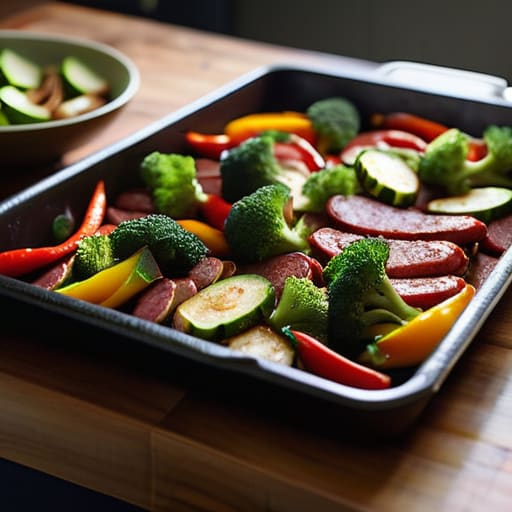
If you want to minimize your dish pile to the absolute limit, the sheet pan method is your new best friend. I love grabbing a pack of pre-cooked smoked sausages, slicing them into rounds, and tossing them on a tray with whatever vegetables are looking slightly sad in your crisper drawer. Bell peppers, broccoli, and zucchini all work beautifully here. Just coat everything in olive oil, salt, and pepper, and let the oven do the heavy lifting.
One-Pot Creamy Pesto Pasta
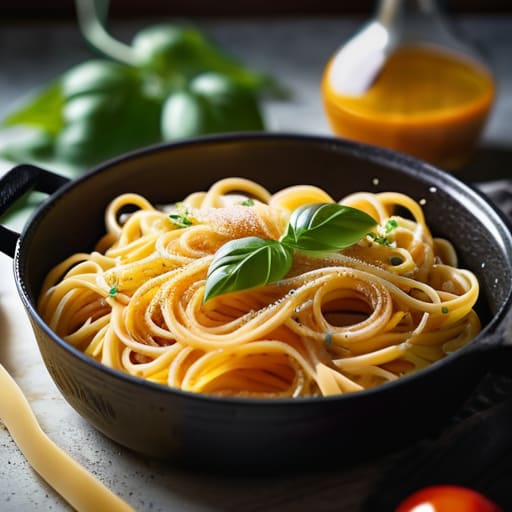
Most people think you need a separate pot to boil water and another to make the sauce, but that’s just adding unnecessary friction to your evening. With this method, you put your dry pasta, some vegetable broth, a splash of cream, and a handful of cherry tomatoes all in the same pot. As the pasta cooks, it releases starch into the liquid, which naturally creates a silky, built-in sauce that coats every single noodle perfectly.
The Lazy Lemon Chicken and Rice
This is my go-to when I need something that feels “adult” and nourishing but I only have about twenty minutes of actual brainpower left. You sear some chicken thighs in a pot, push them to the side, toss in some rice and chicken stock, and let it all bubble away together. I like to add a squeeze of lemon and some dried thyme halfway through to keep things from feeling too heavy or one-note.
Skillet Shakshuka for Dinner
We usually think of shakshuka as a brunch thing, but honestly, it makes for one of the most comforting, low-maintenance dinners you can whip up. You just simmer a jar of marinara (or canned crushed tomatoes if you’re feeling extra) in a skillet with some cumin and paprika, then crack a few eggs directly into the sauce. It’s a low-friction way to get protein and veggies in your system without any complicated prep work.
The Bottom Line
Stop aiming for perfection; the goal of one-pot cooking is to save your sanity and your evening, not to win a Michelin star.
Invest in one decent, heavy-bottomed pan so you aren’t fighting uneven heat or scorched ingredients halfway through.
Use these meals as a baseline system—once you master the basic formula, you can swap proteins and veggies without needing a new recipe every time.
The Bottom Line
At the end of the day, these one-pot meals aren’t about being a gourmet chef; they’re about protecting your peace. Whether you’re leaning on a hearty pasta bake to get through a Tuesday or using a single sheet pan to avoid a sink full of dishes, the goal is the same: efficiency. By focusing on recipes that require minimal prep and even less cleanup, you’re essentially building a buffer against burnout. You don’t need a pantry full of exotic ingredients or an hour of free time to eat something that actually tastes good and keeps you fueled.
I know how it feels when the “adulting” part of the day starts to feel heavy, and the last thing you want to do is face a complicated recipe. But once you start implementing these small, repeatable systems in your kitchen, you’ll realize that cooking doesn’t have to be another chore on your to-do list. It can just be a way to take care of yourself without the stress. So, pick one of these methods, try it out this week, and remember that consistency beats perfection every single time. You’ve got this.
Frequently Asked Questions
How do I make sure my food doesn't turn into a mushy mess when everything is cooking in the same pot?
The “mush factor” usually happens because everything is hitting the heat at the exact same time. To avoid a texture nightmare, think in layers. Start with your dense stuff—like potatoes or carrots—and let them get a head start. Add your proteins next, and save the delicate greens or soft veggies for the last few minutes. It’s all about timing your additions so nothing gets overcooked into oblivion.
Can I actually use these same recipes if I only have a small electric skillet instead of a massive Dutch oven?
Short answer: Yes, absolutely. Honestly, a small electric skillet is kind of my secret weapon for one-pot cooking when I’m working in a tiny kitchen. Just don’t try to crowd the pan—if you pile everything in too deep, you’ll end up steaming your food instead of getting that nice sear. Keep the layers thin, maybe cook things in two quick batches if you have to, and you’re golden. It’s all about the system, not the gear.
What’s the best way to meal prep these without the leftovers getting weird or soggy by day three?
The secret is keeping your textures separate until the moment you actually eat. If you’re prepping something like a one-pot pasta or grain bowl, don’t mix the heavy sauces or “wet” ingredients with your greens or crunchy bits in the same container. Pack your sauces in tiny separate jars and keep your proteins slightly underdone so they don’t turn into mush when you reheat them. It’s a small extra step, but it saves your sanity.