
Can we please stop pretending that a “perfect” evening routine requires a ten-step skincare regimen, a silk sleep mask, and an hour of guided meditation? I am so tired of seeing these aesthetic, hyper-curated reels that make it feel like if you aren’t lighting a $40 candle and journaling by moonlight, you’re failing at life. For me, the reality used to be much messier: staring at a pile of laundry at 11 PM and feeling that familiar, sinking sense of dread because I had zero systems in place to handle the day before it actually ended. A real evening routine shouldn’t be another chore on your to-do list; it should be the buffer that keeps you from feeling like you’re constantly playing catch-up.
I’m not here to sell you on a lifestyle overhaul that requires a massive budget or a complete personality transplant. Instead, I want to give you the unpolished, functional systems I actually use to keep my freelance life from spiraling into chaos. We’re going to talk about low-friction habits that focus on reducing mental load rather than adding more “wellness” tasks to your plate. This is about building a practical foundation so you can actually shut your brain off and rest without the guilt.
Table of Contents
- Stop Living in Emergency Mode the Evening Routine You Actually Need
- Ditch the Chaos With These Real Sleep Hygiene Tips
- The Digital Detox Before Bed Reclaiming Your Mental Space
- Practical Pre Sleep Relaxation Techniques Without the Fluff
- Systems for Improving Sleep Quality and Calming Bedtime Rituals
- The Low-Friction Systems to Actually Make This Work
- The Bottom Line: Systems Over Perfection
- Final Thoughts on Building Your System
- Frequently Asked Questions
Stop Living in Emergency Mode the Evening Routine You Actually Need
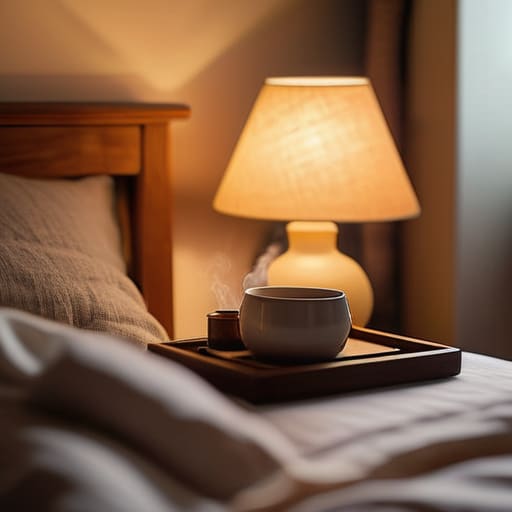
Most people approach their nights like they’re trying to put out a fire. You spend the last hour of your day frantically answering emails or scrolling through TikTok, essentially forcing your brain to run a marathon right when it should be winding down. That’s not a plan; it’s a recipe for burnout. If you want to stop feeling like you’re constantly playing catch-up, you have to stop treating your bedtime like an afterthought. You need a system that signals to your nervous system that the workday is officially over.
Instead of chasing perfection, focus on a few non-negotiable habits that actually move the needle. I’m talking about a consistent digital detox before bed to stop the blue light from hijacking your brain. It’s not about being a monk; it’s about creating a buffer zone. Incorporating simple pre-sleep relaxation techniques—like prepping your clothes for tomorrow or even just dimming the lights—removes the decision fatigue that usually keeps us staring at the ceiling at 2:00 AM. Build these small, repeatable steps into your night so you can actually wake up feeling human.
Ditch the Chaos With These Real Sleep Hygiene Tips

Look, I’m not going to tell you to meditate for forty minutes under a Himalayan salt lamp. That’s not realistic for most of us. Real sleep hygiene tips are actually much more boring—and much more effective—than the aesthetic versions you see on TikTok. For me, it starts with a hard boundary on my phone. I’ve implemented a strict digital detox before bed about thirty minutes before I want my eyes closed. It’s not about being a monk; it’s about stopping that endless scroll from keeping my brain in a state of high alert when it should be winding down.
Once the screen is off, I focus on low-stimulation activities. I might do some light stretching or just prep my bag for the next morning so my brain isn’t running through a mental checklist while I’m trying to drift off. These small, calming bedtime rituals act as a signal to my nervous system that the workday is officially over. You don’t need a massive lifestyle overhaul; you just need to stop feeding your brain blue light and chaos right before you hit the pillow.
The Digital Detox Before Bed Reclaiming Your Mental Space

We need to talk about the blue light trap. I used to think scrolling through TikTok for twenty minutes was “winding down,” but in reality, I was just feeding my brain a constant stream of high-speed dopamine that made my mind race. If you want to actually improve sleep quality, you have to stop treating your phone like a sleep aid. A true digital detox before bed isn’t about being a monk; it’s about setting a boundary so your brain knows the workday—and the social noise—is officially over.
Try setting a “tech sunset” about thirty minutes before you want to be unconscious. Plug your phone in across the room instead of on your nightstand. This forces you to engage in actual pre-sleep relaxation techniques, like reading a physical book or even just organizing your bag for tomorrow. It feels a little awkward at first, but once you stop the endless scroll, you’ll realize how much mental clutter you were actually carrying. It’s about reclaiming that mental space so you aren’t just passing out from exhaustion, but actually transitioning into rest.
Practical Pre Sleep Relaxation Techniques Without the Fluff
Look, I’m not going to tell you to sit in a dark room and meditate for forty minutes if that’s not your vibe. Most “wellness” advice feels like another chore on an already overflowing to-do list. For me, effective pre-sleep relaxation techniques are about lowering the physiological volume of your day. If your brain is still racing at 11 PM, try a “brain dump.” Grab a physical notebook—not your phone—and scribble down every single thing you’re worried about or need to do tomorrow. It sounds basic, but externalizing that mental clutter actually signals to your nervous system that it’s safe to stop processing.
Another thing that works is temperature regulation. I’ve found that a quick, warm shower followed by a cool room is a total game-changer for improving sleep quality. It’s not just about feeling cozy; it’s about using biology to trigger your body’s natural sleep signals. If you want something even lower effort, try progressive muscle relaxation. Just tense and then release each muscle group starting from your toes up to your jaw. It’s a way to physically force the tension out of your body without needing a single piece of expensive equipment.
Systems for Improving Sleep Quality and Calming Bedtime Rituals
Let’s be real: most of us treat our beds like a secondary workspace or a place to doomscroll until our eyes burn. If you want to actually start improving sleep quality, you have to stop treating your environment like an afterthought. I started by treating my bedroom like a sanctuary rather than a multipurpose room. This meant getting the laptop off the duvet and investing in some decent blackout curtains. It sounds basic, but creating a physical boundary between “work mode” and “rest mode” is the first step in building a system that actually works.
Once the environment is set, you need a sequence of calming bedtime rituals that signal to your brain that the day is officially over. For me, this isn’t about hour-long meditations or expensive spa products; it’s about low-friction habits. I keep a notebook by my bed to dump any lingering “to-do” anxiety onto paper, and I swap my phone for a physical book at least thirty minutes before lights out. It’s about lowering the cognitive load so your brain doesn’t feel like it’s still running a marathon while you’re trying to drift off.
The Low-Friction Systems to Actually Make This Work
- Stop deciding what to wear at 7:00 AM. Pick your outfit the night before—including the socks and accessories—so you aren’t standing in front of your closet in a state of morning panic.
- Use the “Closing Shift” method for your kitchen. I’m not talking about a deep clean; just clear the counters, start the dishwasher, and wipe the main surfaces so you don’t wake up to a mess that immediately spikes your cortisol.
- Set a “Brain Dump” timer for five minutes. If your mind starts racing about tomorrow’s to-do list, grab a physical notebook and get it out of your head. Once it’s on paper, your brain can actually stop looping on it.
- Prep your “Launchpad.” Put your keys, wallet, work bag, and that portable power bank I’m always obsessing over in one designated spot by the door. It eliminates the frantic “where is my stuff” scavenger hunt every single morning.
- Automate your morning decisions. Whether it’s setting the coffee maker on a timer or pre-portioning your breakfast, do the heavy lifting tonight so your future self has as little friction as possible when they wake up.
The Bottom Line: Systems Over Perfection
Stop trying to build a “Pinterest-perfect” routine and start building a friction-reducing system that actually fits your real life.
Treat your evening as a setup phase for tomorrow; every small decision you make tonight—from charging your gear to clearing your desk—is a gift to your future, less-stressed self.
Prioritize consistency over intensity; it’s better to do two small, manageable habits every night than to attempt a massive overhaul that you’ll abandon by Wednesday.
Final Thoughts on Building Your System
Look, I’m not suggesting you go out and buy a $50 silk sleep mask or start a three-hour meditation ritual just to feel “zen.” We’ve covered a lot here—from setting boundaries with your phone to actually prepping your environment so you aren’t waking up in a state of panic. The goal isn’t perfection; it’s about reducing the friction between your busy day and your much-needed rest. Whether it’s a quick digital detox or just setting out your clothes so tomorrow morning doesn’t feel like a combat mission, these small, repeatable systems are what actually move the needle. It’s about building a foundation that supports you, rather than constantly trying to outrun your own exhaustion.
At the end of the day, your evening routine shouldn’t feel like another chore on your never-ending to-do list. If a specific system feels like a burden, toss it. The best routine is the one that actually works for your specific brand of chaos. Adulthood is messy enough as it is, but you don’t have to let it be a constant state of emergency. Start small, be consistent, and remember that you deserve a life that feels managed, not just survived. You’ve got this.
Frequently Asked Questions
How do I actually stick to this when I'm feeling burnt out and just want to scroll on my phone for hours?
Look, I get it. When you’re burnt out, a “routine” feels like just another chore on a list you’re already failing. Don’t try to do the whole system at once. If you can’t do the full wind-down, just do one thing: plug your phone in across the room. That’s it. Lower the barrier to entry until it’s so easy it feels stupid not to do it. Small wins beat perfection every time.
What do I do if my work schedule is totally unpredictable and I don't have a set time to start my routine?
Look, I get it. If your schedule is a moving target, a rigid “9:00 PM routine” is just a recipe for feeling like a failure. Instead of tying your habits to a specific time, tie them to a specific trigger. Use a “shutdown ritual” instead. Once you close your laptop or step through your front door, that’s your cue to start. Build a modular system—a menu of steps you can run whenever your workday finally ends.
Do I really need to do all of this every single night, or can I scale it back on weekdays when things get chaotic?
Look, if I told you that you had to do every single one of these steps perfectly every night, I’d be lying. Life happens. On those chaotic Tuesdays when you’re running on fumes, don’t try to force a full ritual—you’ll just end up feeling like you failed. Pick your “non-negotiables.” Maybe it’s just the digital detox and prepping your clothes. Scale back to the essentials, keep the momentum, and skip the rest.