I used to think that “meal prepping” meant spending my entire Sunday afternoon in a sterile kitchen, meticulously portioning out identical Tupperware containers like some kind of culinary robot. But honestly? That’s just a recipe for burnout. Most of the advice you see online about how to use leftovers feels way too performative—all aesthetic glass jars and complicated recipes that actually take more time than just cooking something fresh. I’m over the idea that you need a degree in food science just to make sure last night’s roasted chicken doesn’t end up as a science experiment in the back of your fridge.
I’m not here to give you a lecture or a list of “gourmet” transformations that require a grocery run. Instead, I want to show you how to build a low-friction system that actually works when you’re tired and your brain is fried. I’m going to walk you through the exact, unpolished methods I use to turn random scraps into real meals without losing my mind. We’re stripping away the fluff and focusing on practical, repeatable steps that turn your fridge from a graveyard of wasted food into your most reliable shortcut for getting through the week.
Table of Contents
- Stop Treating Yesterdays Dinner Like an Emergency How to Use Leftovers
- The No Nonsense System for Repurposing Cooked Proteins
- Creative Kitchen Hacks for Transforming Dinner Into Lunch
- Unpolished Leftover Meal Prep Ideas That Actually Work
- Practical Food Waste Reduction Tips and Storing Food Safely
- My Five Non-Negotiable Rules for Leftover Success
- The TL;DR on Not Wasting Your Life (or Your Food)
- The Bottom Line
- Frequently Asked Questions
Stop Treating Yesterdays Dinner Like an Emergency How to Use Leftovers
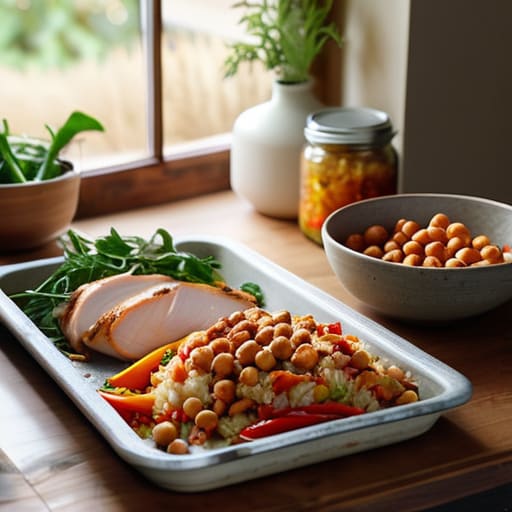
The biggest mistake I see people making is treating a container of cold rice or a lonely chicken breast like a chore rather than a head start. We’ve been conditioned to think that if it isn’t fresh out of the pan, it’s somehow “lesser,” but that mindset is exactly why we end up throwing money in the trash. Instead of viewing yesterday’s meal as a failure of planning, I look at it as pre-prepped components. When you start seeing ingredients instead of “dishes,” the mental load of cooking completely evaporates.
My go-to system for transforming dinner into lunch involves a simple rule: never eat the exact same thing twice in a row. If you have leftover roasted vegetables, don’t just reheat them; toss them into a quick grain bowl with a soft-boiled egg. If you’re looking for better food waste reduction tips, focus on repurposing cooked proteins. That leftover steak? It’s not just a cold slab of meat; it’s the star of a high-end steak salad or a quick quesadilla for tomorrow’s lunch. It’s about working smarter, not harder.
The No Nonsense System for Repurposing Cooked Proteins
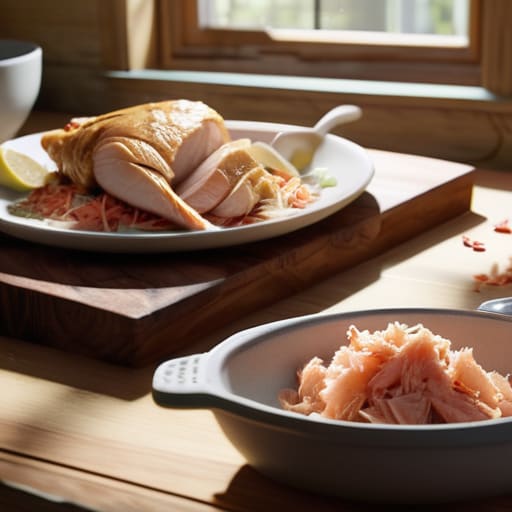
Here is my rule of thumb: never view a cooked protein as a finished dish; view it as a building block. Whether you have a leftover chicken breast, a half-pound of ground beef, or some salmon from Tuesday, the goal is to strip it down to its base form immediately. I like to shred or dice my proteins as soon as they’ve cooled. It feels like an extra step, but it’s one of my favorite creative kitchen hacks because it removes the mental friction of “cooking” later. When the meat is already broken down, you aren’t staring at a cold slab of protein; you’re looking at an easy addition to a bowl or a wrap.
The secret to successful repurposing cooked proteins is shifting your mindset from “reheating” to “reconstructing.” If you just microwave the same chicken you had last night, it’s going to be dry and depressing. Instead, take that shredded chicken and toss it into a quick quesadilla or a pesto pasta. By changing the texture and the flavor profile, you’re effectively transforming dinner into lunch without the psychological dread of eating the same thing twice. It’s much more about assembly than actual cooking.
Creative Kitchen Hacks for Transforming Dinner Into Lunch
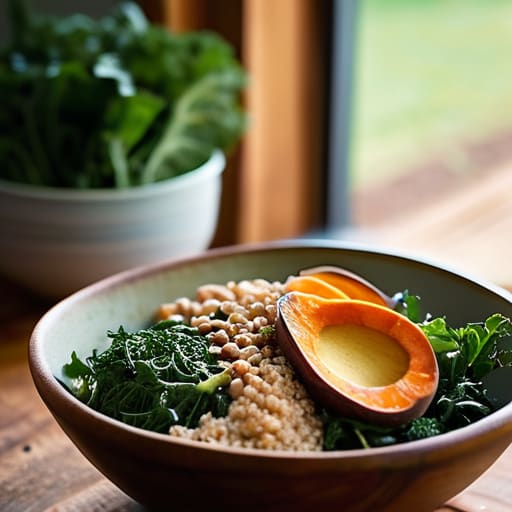
Once you’ve mastered the protein, the real magic happens when you stop viewing yesterday’s meal as a “reheat” and start seeing it as a base component. One of my favorite creative kitchen hacks involves the “bowl method.” Instead of eating a sad, lukewarm plate of the same food, take those leftover veggies and grains, throw them over a bed of fresh greens, add a quick tahini dressing, and suddenly you have a high-end grain bowl. It feels like a completely different meal, which is the only way to actually stay consistent with your lunch routine.
If you’re feeling even lazier, lean into the “component strategy.” This is one of those leftover meal prep ideas that saves my sanity on Tuesdays. If you have leftover roasted sweet potatoes or even just a bit of sautéed spinach, don’t try to make a full meal out of them. Just toss them into a breakfast omelet or fold them into a quick quesadilla. By treating leftovers as building blocks rather than finished products, you eliminate that mental fatigue of deciding what to eat.
Unpolished Leftover Meal Prep Ideas That Actually Work
Look, I’m not interested in those overly aesthetic meal prep videos where everything looks like a Pinterest board. Real life is messy, and my leftover meal prep ideas are built for speed, not for likes. If you have a pile of roasted veggies or half a bag of grains, don’t overthink it. Throw them into a bowl with a heavy dose of tahini or a quick vinaigrette. The goal isn’t to reinvent the wheel; it’s to create a “base” that you can customize in under five minutes so you aren’t staring blankly at the pantry at 6:00 PM.
Another move that saves my sanity is the “Grain & Green” method. If you’ve got leftover rice or quinoa, don’t let it get hard and sad in the fridge. Sauté it with some frozen peas and a bit of soy sauce for a quick fried rice, or mix it into a hearty salad. This is one of my favorite food waste reduction tips because it turns something that’s about to expire into a filling, high-fiber meal. It’s about being intentional with what you already have so you aren’t constantly hitting “order” on a delivery app.
Practical Food Waste Reduction Tips and Storing Food Safely
Look, we can talk about all the cool ways to transform dinner into lunch, but none of it matters if your food ends up in the trash because it sat in the back of the fridge for a week. Real food waste reduction tips aren’t about being a zero-waste guru; they’re just about being intentional. I’ve learned the hard way that if you don’t have a system, that expensive organic chicken is going to turn into a science experiment. My rule of thumb is to invest in a few decent, airtight glass containers. They stack better, they don’t stain like plastic, and they actually help with storing food safely so you aren’t constantly second-guessing if something is still edible.
Also, please stop “hiding” things in your crisper drawer and hoping they’ll magically stay fresh. If you know you won’t eat something in the next two days, freeze it. I keep a small stash of “emergency” portions in the freezer—think half-servings of grains or sauces—that act as a safety net for those nights when you’re too exhausted to even think about cooking. It’s about minimizing the mental load of deciding what to eat while making sure nothing goes to waste.
My Five Non-Negotiable Rules for Leftover Success
- Invest in a set of uniform, glass containers. Stop playing Tetris with mismatched plastic tubs that leak in your bag; having a consistent system makes stacking in the fridge easier and actually makes you want to use what’s inside.
- The “Base + Protein” strategy is your best friend. Instead of seeing a pile of leftover chicken as a “failed meal,” see it as a component. Keep a stash of grains or greens ready so you can turn that protein into a bowl in under five minutes.
- Use the “First In, First Out” method. When you put new groceries in the fridge, move the older leftovers to the front eye-level shelf. If you can’t see it, you won’t eat it, and you’ll eventually just be throwing money in the trash.
- Keep a “Rescue Sauce” stash. Sometimes leftovers taste sad because they’ve dried out in the fridge. Having a good hot sauce, a high-quality pesto, or even just some chili crunch on hand can revive a mediocre meal instantly.
- Don’t be afraid to freeze the “maybe” meals. If you know you aren’t going to eat that lasagna by Wednesday, portion it out and freeze it immediately. It’s better to have a frozen meal for a bad day than to let it expire and feel guilty about it.
The TL;DR on Not Wasting Your Life (or Your Food)
Stop looking at leftovers as “old food” and start seeing them as pre-prepped ingredients; it’s much easier to build a bowl around some leftover chicken than it is to start from scratch on a Tuesday.
Build a rotation of “transformation” meals—like tacos, grain bowls, or stir-frys—that are designed to absorb whatever random protein or veggie you have sitting in the fridge.
Invest in decent, airtight containers and actually use them; if you can’t see what’s inside, it’s basically going to end up in the trash, and that’s just throwing money away.
The Bottom Line
At the end of the day, managing leftovers isn’t about being a gourmet chef or having a perfectly curated Pinterest kitchen; it’s about reducing the mental load of deciding what to eat every single afternoon. We’ve covered how to strategically repurpose your proteins, how to hack your way through a lunch rush using yesterday’s components, and the basic storage rules that keep everything from going bad in the back of your fridge. Once you stop viewing leftovers as “old food” and start seeing them as pre-prepped ingredients, the entire way you approach mealtime changes. You aren’t just saving money or cutting down on waste; you are actively building a system that works for you instead of against you.
I know that on the days when you’re exhausted, the last thing you want to do is “engineer” a meal. But I promise you, the five minutes you spend properly storing that extra chicken or planning a quick grain bowl today will save you from that decision fatigue later this week. Adulthood is messy, and your kitchen won’t always be pristine, but having these small, repeatable systems in place means you can handle the chaos without feeling like you’re constantly failing. Start small, use what you have, and let the system do the heavy lifting for you.
Frequently Asked Questions
How do I know if these leftovers are actually still safe to eat or if I'm just playing Russian roulette with food poisoning?
Look, I get it. The “sniff test” is a lie we tell ourselves to feel brave, but it’s not a scientific method. If it smells off, looks slimy, or the texture feels weirdly tacky, toss it. Period. My rule of thumb? If it’s been sitting in the fridge for more than four days, the risk starts climbing. Don’t gamble your entire week’s productivity on a questionable piece of chicken. Just bin it.
Is there a way to reheat things so they don't end up tasting like soggy, sad microwave mush?
The microwave is usually the culprit behind that sad, rubbery texture. If you have the time, use a skillet with a tiny bit of butter or oil to revive things like pizza or roasted veggies—it brings back the crunch. For grains or pasta, add a splash of water or broth before heating to create steam. If you must use the microwave, cover your food with a damp paper towel to keep the moisture in.
How many times can I actually reuse the same ingredient before it becomes a texture nightmare?
Honestly, there’s a fine line between “efficient meal prepping” and “eating sadness.” For most cooked veggies or grains, I hit my limit at two reuses. By the third time, that roasted broccoli is basically mush and that rice feels like wet sand. If you’re repurposing, try to change the texture each time—turn the rice into crispy fried rice or the veggies into a smooth soup. If it’s lost its structural integrity, just toss it.