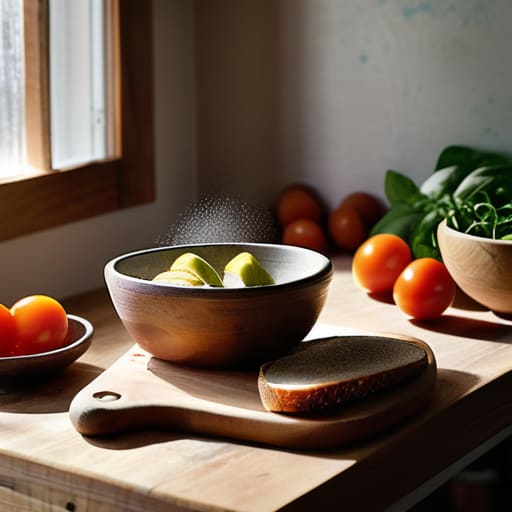
Let’s be real: there is nothing quite as soul-crushing as standing in front of an open fridge at 7:00 PM, staring at a wilted bag of spinach and a jar of pickles, wondering why adulthood feels like a constant survival mission. We’ve all been there, scrolling through aesthetic cooking videos that make a simple pasta dish look like a high-stakes chemistry experiment. But here’s the truth—you don’t need a pristine kitchen or a massive grocery budget to actually fuel yourself. You just need a few reliable, low-friction systems to stop the cycle of expensive takeout and mid-week burnout. I’m talking about finding easy meals for beginners that actually taste good without requiring a culinary degree or three hours of prep time.
In this guide, I’m stripping away the gatekeeping and sharing five of my absolute go-to staples. These aren’t fancy recipes; they are functional systems designed to get you fed with minimal dishes and maximum efficiency. I’m going to walk you through five specific ideas that will help you build a foundation of confidence in the kitchen, so you can stop panicking and start eating like a person who actually has their life together.
Table of Contents
The "Dump and Bake" Sheet Pan Special
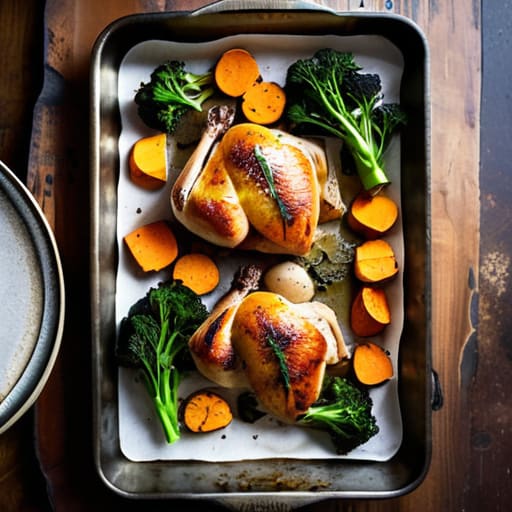
If the idea of standing over a stove watching a pan of something sizzle makes you want to nap, this is your new best friend. I’m talking about the classic sheet pan meal: you grab a protein (chicken thighs work best because they’re hard to overcook), toss some chopped veggies like broccoli or sweet potatoes on the same tray, and drizzle everything with olive oil and salt. The goal here isn’t a Michelin star; it’s about minimal cleanup and maximum efficiency.
The Adult Version of Breakfast for Dinner
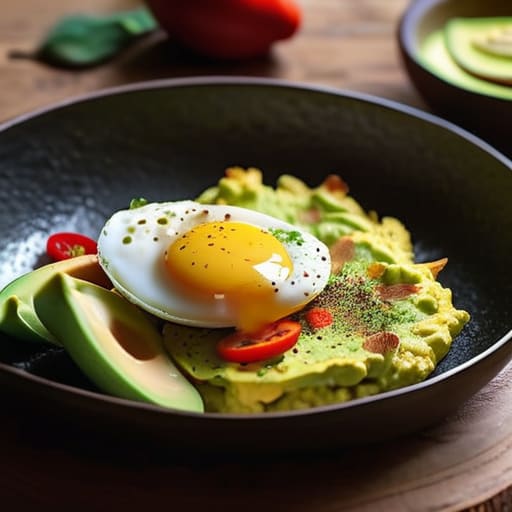
There is a specific kind of shame we feel when we eat eggs at 7:00 PM, but honestly, let’s drop that right now. Scrambled eggs with some avocado toast or a quick veggie omelet is one of the fastest ways to feel human again after a long day. It takes about ten minutes, uses basically one pan, and you almost certainly have the ingredients sitting in your fridge already.
One-Pot Pesto Pasta
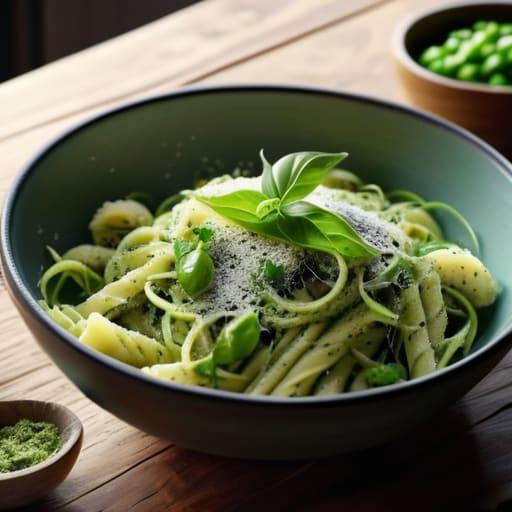
Pasta is the ultimate safety net, but let’s elevate it slightly so you don’t feel like you’re eating toddler food every single night. Instead of making a complicated sauce from scratch, just boil your noodles and, in the last two minutes, throw some frozen peas or chopped zucchini into the boiling water. Drain it all, toss it back in the pot, and stir in a big dollop of jarred pesto.
The Loaded Grain Bowl
Grain bowls are basically the “modular system” of the food world, and I am obsessed with how they work. You start with a base of something easy like microwaveable quinoa or rice, then you just layer on whatever is in your fridge. Think canned black beans, some cucumber, a bit of feta cheese, and whatever dressing you have on hand.
Gourmet Grilled Cheese and Tomato Soup
We need to talk about the grilled cheese, because it shouldn’t just be white bread and a single slice of American cheese. If you use a decent sourdough and maybe two different types of cheese—like cheddar and gruyère—it suddenly feels like an intentional culinary choice rather than a cry for help. Pair it with a high-quality boxed tomato soup, and you have a comforting powerhouse of a meal.
The Bottom Line
Stop waiting for a “perfect” cooking moment that isn’t coming; just pick one low-stakes recipe and master it so you have a fallback for your worst days.
Success isn’t about fancy ingredients, it’s about having a few reliable staples in your pantry that make assembly feel less like a chore and more like a system.
Forgive yourself when things don’t go perfectly—the goal here is to feed yourself and keep moving, not to win a Michelin star.
Low-Stakes Cooking, High-Reward Living
At the end of the day, the goal here isn’t to become a Michelin-star chef or spend three hours scrubbing pans every single night. It’s really just about building a reliable toolkit of meals that keep you fueled without the mental burnout. Whether you’re leaning on a sheet-pan roast, a quick pasta, or a massive batch of grain bowls, the common thread is that these recipes work because they remove the guesswork. You don’t need a pantry full of exotic spices or expensive gadgets; you just need a few solid systems that prevent you from defaulting to expensive, greasy takeout every time you feel tired.
Please, give yourself a little grace as you navigate this. Some nights the rice will be mushy, and some nights you’ll burn the garlic, and honestly? That is totally fine. Adulthood is messy, and your kitchen shouldn’t be a source of constant performance anxiety. Once you realize that cooking is just another manageable life skill—like changing a tire or setting up a budget—it stops feeling like a chore and starts feeling like a win. Start small, keep it simple, and remember that every meal you make for yourself is a massive step toward taking control of your own routine.
Frequently Asked Questions
I’m on a tight budget—can I still make these meals work if I'm mostly shopping at discount grocers?
Honestly, shopping at discount grocers is actually my secret weapon. I’m a huge advocate for it because these recipes aren’t precious—they work just as well with store-brand beans or generic pasta as they do with the name-brand stuff. Just keep an eye on the unit prices and grab whatever seasonal produce is on sale. You don’t need organic, artisanal ingredients to build a solid system; you just need stuff that fills you up without breaking the bank.
What are the absolute bare-minimum kitchen tools I need to get started without spending a fortune?
Honestly, don’t let the fancy kitchenware aisle intimidate you. You really only need a solid chef’s knife, a large cutting board, a heavy-bottomed skillet, and a medium saucepan. Throw in a spatula and a wooden spoon, and you’re basically set. Skip the specialized gadgets like garlic presses or egg slicers—they just take up drawer space. If you can chop something and heat something in a pan, you can make a real meal.
How do I actually meal prep these without the food getting gross or soggy by Wednesday?
The biggest mistake people make is treating meal prep like a giant, mushy salad. To keep things from getting sad by Wednesday, you have to separate your textures. Never dress your greens or add sauces until the actual moment you’re eating. I also swear by “component prepping”—keep your grains, proteins, and veggies in separate containers. It takes an extra five minutes of Tupperware, but it prevents that dreaded, soggy microwave texture.