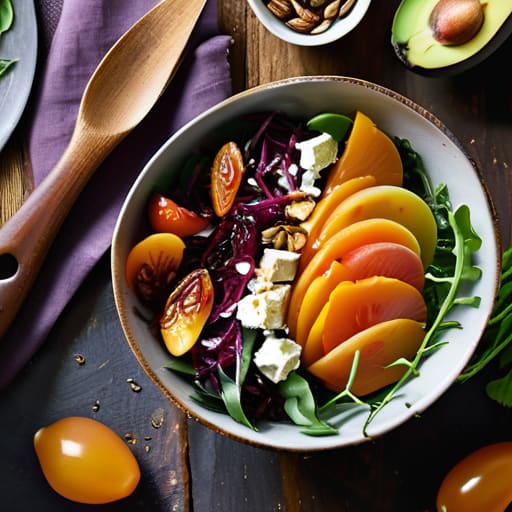
I used to think that making a decent lunch meant spending forty minutes sourcing organic microgreens and hand-whipping a balsamic reduction just so I wouldn’t feel like I was eating a bowl of sad, wilted grass. Honestly, that’s just unnecessary friction. Most of the “gourmet” advice out there makes it sound like you need a culinary degree just to avoid a mid-afternoon food coma. I’m tired of the gatekeeping; you don’t need a $30 artisanal vinaigrette or a grocery list of ingredients you’ll never use again to figure out how to make salad interesting.
I’m not here to give you a list of trendy superfoods that cost more than my monthly internet bill. Instead, I want to give you a repeatable system for building bowls that actually satisfy your hunger and your taste buds. We’re going to focus on the basic mechanics—texture, acid, and fat—so you can throw something delicious together in five minutes using whatever is actually in your fridge. No fluff, no expensive gimmicks, just the actual steps to making lunch something you actually look forward to.
Table of Contents
Understanding How to Make Salad Interesting
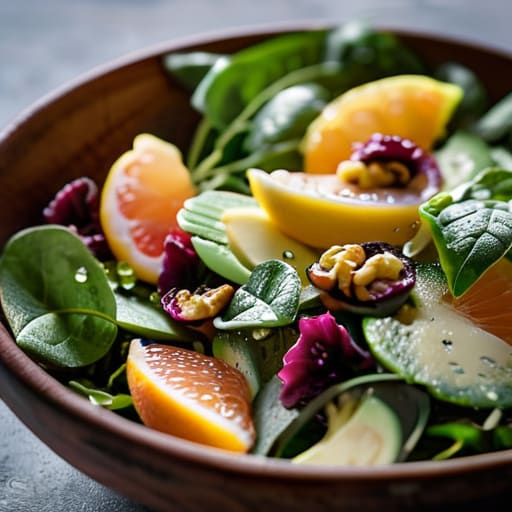
The reason most people fail at this isn’t a lack of willpower; it’s a lack of a framework. We’ve been conditioned to think a salad is just a pile of leaves with some ranch thrown on top, but that’s a recipe for immediate boredom. To actually enjoy what you’re eating, you have to stop thinking about ingredients and start thinking about flavor balancing in salads. You need a hit of acid (like lemon or vinegar) to cut through the fat, something salty to wake up your palate, and a touch of sweetness to round everything out. If it feels “one-note,” you’re missing one of those pillars.
Once you get the flavor profile down, the next step is addressing the mouthfeel. This is where most of us slip up by serving something that’s essentially just wet grass. Adding texture to salads is the real game-changer—think toasted sunflower seeds, sliced radishes, or even those crispy chickpeas you can grab from the pantry. If every bite has a different crunch or snap, you won’t feel like you’re just chewing through a chore. It’s about building a system where every bowl has a purpose.
Key Things to Know
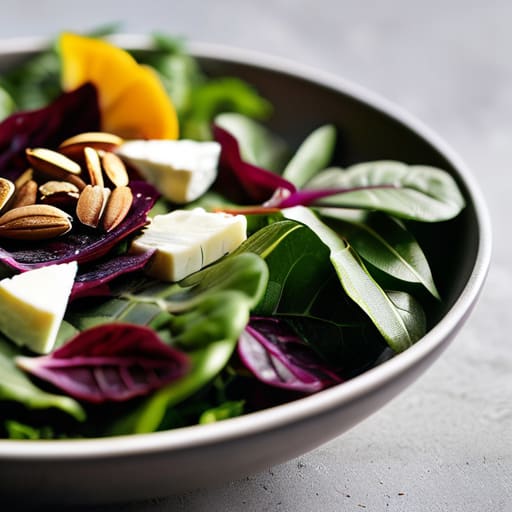
Before you start tossing things into a bowl, you need to understand the basic mechanics of why some salads feel like a feast and others feel like a side dish you’re eating out of obligation. It really comes down to flavor balancing in salads. If everything is just sweet or just acidic, your brain gets bored halfway through. You want that hit of salt, a bit of acid (think lemon or vinegar), and maybe a touch of something bitter or creamy to keep your palate guessing.
The second thing to keep in mind is the structural element. If you’re just eating soft leaves, you’re going to feel unsatisfied. I’m big on adding texture to salads because that’s what actually makes the meal feel substantial. Think about the contrast: you need something crunchy, something creamy, and something substantial. This is where you lean into protein additions for salads—like a jammy egg, some chickpeas, or leftover grilled chicken—to turn a light snack into an actual fuel source that will get you through your afternoon slump.
Practical Tips and Steps
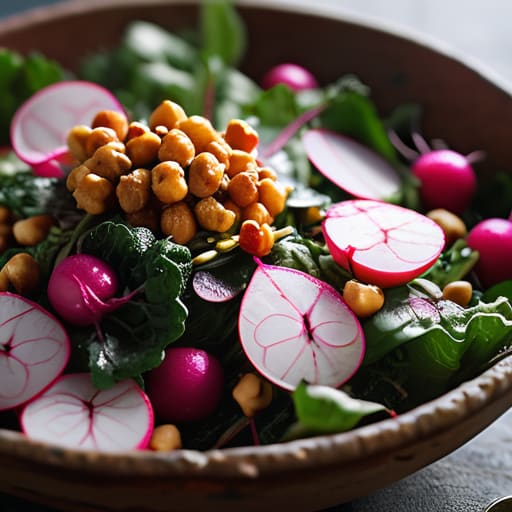
First, let’s talk about the foundation. If you’re just throwing pre-washed spinach in a bowl, you’re doing it wrong. To actually enjoy what you’re eating, you need to focus on adding texture to salads so it feels like a real meal rather than a side dish. I always aim for a “crunch-to-soft” ratio. Think toasted sunflower seeds, sliced radishes, or even some crispy chickpeas. If everything in the bowl is soft and leafy, your brain is going to check out halfway through the meal.
Next, stop buying those overpriced, bottled dressings that are basically just liquid sugar. I keep a few go-to salad dressing recipes on a sticky note on my fridge—usually just a high-quality olive oil, some acid (lemon or apple cider vinegar), and a bit of Dijon mustard. Once you have that base, you can play with flavor balancing in salads by adjusting the salt or sweetness. Finally, don’t forget the heavy hitters. Adding some leftover roasted chicken or a scoop of lentils provides those necessary protein additions for salads that actually keep you full until dinner.
Common Mistakes to Avoid
The biggest mistake I see people make is treating a salad like a side dish rather than a real meal. If you’re just throwing some spinach in a bowl and calling it a day, you’re going to be hungry again in twenty minutes. You have to focus on protein additions for salads—think chickpeas, hard-boiled eggs, or leftover grilled chicken—to actually stay full. Without a solid base of substance, you aren’t eating a meal; you’re just eating a garnish.
Another huge trap is the “flavor vacuum.” This happens when you use a single, heavy dressing to mask the fact that your ingredients are boring. Instead of drowning everything in store-bought ranch, focus on flavor balancing in salads by mixing acid, salt, and fat. If everything is soft and wet, your brain will check out halfway through the bowl. You need to prioritize adding texture to salads with things like toasted seeds or sliced radishes. If there isn’t a crunch, it’s just a bowl of soggy leaves, and life is too short for sad, one-dimensional meals.
Final Thoughts
Look, at the end of the day, you don’t need a culinary degree or a massive grocery budget to stop dreading your lunch. Making a decent bowl is really just about moving away from that “sad desk salad” mindset and leaning into a repeatable system. Once you master the art of flavor balancing in salads—getting that perfect hit of acid, fat, and salt—you stop following recipes and start actually creating meals that satisfy.
Don’t feel like you have to overhaul your entire pantry overnight. Start small. Maybe it’s just committing to one new protein addition for salads each week, or finally making your own simple salad dressing recipes instead of buying the bottled stuff that tastes like salt and preservatives. The goal isn’t perfection; it’s just about reducing the friction of eating well. If you have a few go-to textures and a reliable way to season your greens, you’ve already won the battle against the mid-day slump. Keep it simple, keep it functional, and just keep experimenting.
5 ways to stop eating sad, boring bowls of lettuce
- Master the crunch factor. A salad without texture is just wet leaves. You need a heavy hitter like toasted sunflower seeds, crispy chickpeas, or even crushed pita chips to actually make it feel like a meal.
- Don’t skip the acid. If your salad tastes “flat,” it’s probably because you’re missing brightness. A squeeze of fresh lemon or a splash of apple cider vinegar cuts through the heaviness and wakes everything up.
- Build in some fat to feel full. If you’re hungry twenty minutes after eating, you missed the fat component. Add some sliced avocado, crumbled feta, or a handful of walnuts so your brain actually registers that you’ve eaten.
- Use the “sweet and salty” rule. Contrast is everything. If you have salty olives or feta, throw in some sliced strawberries or dried cranberries. It sounds weird until you try it, and then you’ll realize why it works.
- Stop buying pre-made dressings. Most store-bought bottles are just sugar and preservatives that mask the actual flavor of your ingredients. A simple ratio of olive oil, acid, and a pinch of salt is faster and way better.
The Cheat Sheet for Better Bowls
Stop relying on a single texture; if your salad is just soft leaves, it’s going to feel like a chore to eat. Always aim for a “crunch factor” using nuts, seeds, or toasted grains to keep things interesting.
Use the “Acid + Fat” rule to fix a boring dressing. If it tastes flat, you don’t need more salt; you probably just need a squeeze of lemon or a splash of vinegar to wake everything up.
Build your salad like a system, not a recipe. Keep a rotation of proteins, fats, and textures in your fridge so you can assemble a decent meal in three minutes without having to “think” about it.
The Bottom Line
At the end of the day, making a salad that doesn’t suck isn’t about following a rigid recipe or buying expensive organic microgreens every Tuesday. It’s really just about layering intention. Once you stop treating greens like a side thought and start focusing on the interplay of textures—the crunch of a toasted seed, the creaminess of an avocado, or the bite of a sharp vinaigrette—you change the entire experience. You don’t need a culinary degree; you just need to stop settling for boring bowls of wilted lettuce and start applying these small, repeatable systems to your meal prep.
Adulthood is chaotic enough without making your lunch feel like a punishment. I’ve found that when I treat my food with a little bit of respect and a lot of practical strategy, my whole week feels a little more grounded. Don’t feel like you have to overhaul your entire pantry overnight. Just pick one new texture or one better dressing this week and see how it feels. My goal isn’t to make you a chef, but to help you build a life that runs smoother, one delicious, intentional meal at a time.
Frequently Asked Questions
I have a bunch of random veggies in my fridge—is there a quick way to figure out if they'll actually work together in one bowl?
Honestly, don’t overthink the “perfect” recipe. I use a simple texture-first system. Grab whatever you have and check for three things: something crunchy (carrots, cucumbers), something soft (avocado, feta), and something punchy (onions, radishes). If you’ve got those, you’re halfway there. If it feels too “random,” just lean on a heavy-hitting dressing like lemon and olive oil to tie the chaos together. It’s about balance, not a strict rulebook.
How do I stop my salads from getting soggy by the time I actually sit down to eat them?
The secret is all about layering and timing. If you’re meal prepping, never let the dressing touch the greens—keep it in a separate tiny container. If you’re making it on the fly, put the heavy, “wet” stuff like cucumbers or tomatoes at the bottom and the delicate leaves on top. This creates a buffer so the moisture doesn’t migrate upward. Basically, treat your salad like a system, not just a pile of leaves.
Are there any specific dressings or pantry staples that can instantly save a boring salad if I'm too lazy to prep something from scratch?
Look, we’ve all had those nights where the idea of whisking oil and vinegar feels like a chore. If you’re in survival mode, keep a high-quality balsamic glaze or a jar of good tahini in the pantry—they’re instant game-changers. Also, grab some pickled red onions or even just some feta cheese. They add that hit of acid and salt you need to wake up a sad bowl of greens without any actual effort.