I used to spend way too much money on these “eco-friendly” cleaning sprays that cost fifteen dollars a bottle and smelled more like a fake lavender field than actual cleanliness. It honestly felt like a scam—paying a premium just for a pretty label and a glass bottle, when most of those ingredients are just overpriced versions of things I already have in my pantry. I realized that the gatekeeping around diy cleaning products is real; people make it seem like you need a chemistry degree or a specialized apothecary setup to keep a clean apartment, but that’s just nonsense.
I’m not here to give you a list of complicated recipes that require twenty different essential oils and a specialized dropper. Instead, I’m going to show you the exact, stripped-down systems I use to keep my space functional without the clutter or the cost. We’re talking about a few basic, reliable staples that actually cut through grime and stop the madness of constant restocking. No fluff, no expensive aesthetic requirements—just the real, unpolished steps to making your cleaning routine actually work for you.
Table of Contents
- Stop Paying the Clean House Tax the Truth About Diy Cleaning Products
- The Non Toxic Household Cleaners You Can Actually Make Today
- Mastering Vinegar and Baking Soda Cleaning Without the Mess
- Safe Cleaning for Pets and Kids Using Eco Friendly Cleaning Ingredients
- Cost Effective Cleaning Solutions Powered by Essential Oils for Cleaning
- 5 Small Systems to Keep Your DIY Cleaning from Becoming a Mess
- The Bottom Line: Systems Over Stuff
- The Bottom Line
- Frequently Asked Questions
Stop Paying the Clean House Tax the Truth About Diy Cleaning Products

We’ve all been there: standing in the cleaning aisle, staring at a neon-colored spray bottle that costs more than my lunch, all because it promises “mountain spring freshness.” In reality, most of those big-brand products are just overpriced water mixed with fragrances that trigger my allergies. I call it the “clean house tax”—that extra $5 to $8 you pay per bottle just for the fancy packaging and marketing. When you realize you can achieve the same results with a few pantry staples, that tax starts to feel pretty ridiculous.
The truth is, you don’t need a specialized chemical for every single surface in your apartment. By leaning into cost-effective cleaning solutions like vinegar and baking soda, you’re not just saving money; you’re also taking control of what you’re actually breathing in. I switched to a more DIY approach because I wanted safe cleaning for pets and kids without having to read a warning label every time I wiped down the kitchen counter. It’s about working smarter, not spending more to satisfy a marketing gimmick.
The Non Toxic Household Cleaners You Can Actually Make Today
Look, you don’t need a chemistry degree or a shelf full of neon-colored liquids to get your kitchen sparkling. Most of what I use comes from the same three or four bottles sitting in my pantry right now. The absolute baseline for any decent setup is vinegar and baking soda cleaning. It sounds like a cliché, but when you combine white vinegar with a bit of dish soap and water, you have an all-purpose spray that handles everything from greasy stovetops to dusty baseboards without leaving a film.
If you’re worried about the “vinegar smell” (trust me, I was too), that’s where essential oils for cleaning come in to save the day. Adding a few drops of lemon, eucalyptus, or tea tree oil to your spray bottle doesn’t just make your house smell like a spa; it actually adds a little extra antimicrobial muscle to the mix. It’s a much more cost-effective cleaning solution than buying those specialized “scented” sprays that are mostly just water and fragrance. Plus, it’s much easier to breathe easy knowing you’re using safe cleaning for pets and kids rather than whatever harsh fumes are coming out of a generic bleach spray.
Mastering Vinegar and Baking Soda Cleaning Without the Mess
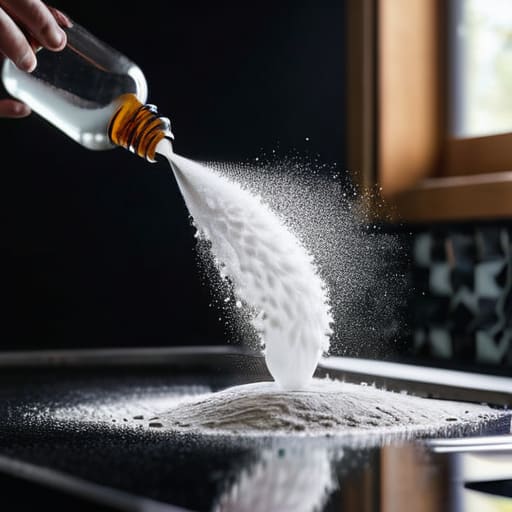
Look, I know the internet loves to tell you to mix vinegar and baking soda in a big bucket and watch the “magic” fizz. But if you’re just pouring them together in a bowl, you’re basically just making salty, expensive water. The reaction is cool to watch, but once that fizzing stops, you’ve neutralized the very properties that make them useful. To actually make vinegar and baking soda cleaning work for you, you have to use them in stages. Use the baking soda as a physical abrasive for scrubbing tough grime off a stovetop, and save the vinegar for the rinse or as a spray to cut through mineral deposits.
If you want to level up without spending a fortune, this is where you introduce essential oils for cleaning. A few drops of lemon or tea tree oil in your vinegar spray doesn’t just make your kitchen smell less like a salad dressing; it adds a layer of antimicrobial power. It’s one of those small, repeatable systems that makes your routine feel less like a chore and more like a controlled process. It’s cheap, it’s effective, and most importantly, it’s actually functional.
Safe Cleaning for Pets and Kids Using Eco Friendly Cleaning Ingredients
If you have a toddler crawling on the floor or a dog that insists on licking every surface, the “standard” cleaning aisle can feel like a minefield. Most of those neon-colored sprays are packed with fragrances and chemicals that I just don’t want near my family. This is where shifting to non-toxic household cleaners becomes less of a lifestyle choice and more of a necessity. When you control the ingredients, you aren’t guessing what’s lingering on the coffee table or the kitchen tile.
I usually stick to the basics—mostly water, vinegar, and a bit of castile soap—to keep things simple. If you want a scent that doesn’t smell like a salad dressing, you can add a few drops of essential oils for cleaning, like lemon or lavender. Just be careful with certain oils if you have cats, as some can actually be irritating to them. My rule of thumb is to keep it minimal; the fewer ingredients you use, the less chance there is of something causing a reaction. It’s all about creating a space that feels truly clean, not just chemically sanitized.
Cost Effective Cleaning Solutions Powered by Essential Oils for Cleaning
If you’re tired of your house smelling like a sterile hospital wing after you clean, this is where it gets fun. I started adding essential oils for cleaning because I wanted my space to feel intentional, not just “sanitized.” The best part? You don’t need a massive budget to do this. A single bottle of high-quality lemon or eucalyptus oil can last you months, making these some of the most cost-effective cleaning solutions you’ll ever find.
I usually just add about ten to fifteen drops of oil into my existing vinegar-based sprays. Lemon is my go-to for cutting through grease in the kitchen, while tea tree oil is a literal lifesaver for anything bathroom-related because of its natural properties. It’s a simple way to upgrade your non-toxic household cleaners without adding extra complexity to your routine. Just remember to shake the bottle before each use, since oil and water don’t play nice together, and you’re good to go.
5 Small Systems to Keep Your DIY Cleaning from Becoming a Mess
- Stop making huge batches. It’s tempting to mix a gallon of cleaner all at once to “save time,” but natural ingredients like vinegar or citrus infusions can lose their potency or even go funky if they sit too long. Stick to small, weekly batches so everything stays fresh and effective.
- Get a dedicated “cleaning kit” tote. Don’t hunt through your under-sink cabinet every time you spill something. Keep your DIY sprays, a microfiber cloth, and a scrub brush in one portable bin. It makes transitioning from “work mode” to “cleaning mode” way less of a mental hurdle.
- Label everything immediately. I’ve learned this the hard way: if you put a homemade lemon-scented spray in an unlabeled spray bottle, you will eventually forget what’s in it. Use a simple label maker or even just masking tape to mark the ingredients so you aren’t guessing later.
- Invest in decent glass spray bottles. Since we aren’t using harsh synthetic preservatives, plastic bottles can sometimes degrade or leach, especially if you’re using essential oils. Glass is more durable, looks better on your counter, and actually keeps your concoctions stable.
- Don’t skip the “test patch.” Even though we’re ditching the heavy chemicals, things like vinegar can still strip the finish off certain stones or delicate woods. Always spray a tiny, inconspicuous corner first to make sure you aren’t accidentally ruining your favorite thrifted side table.
The Bottom Line: Systems Over Stuff
You don’t need a cabinet full of specialized sprays; most of your cleaning can be handled by just three or four versatile, low-cost staples.
Prioritize safety by keeping your ingredients simple, especially if you have pets or kids running around the house.
Stop viewing cleaning as a massive weekend chore and start seeing it as a series of small, manageable systems that prevent the mess from piling up in the first place.
The Bottom Line
At the end of the day, switching to DIY cleaning products isn’t about becoming a chemist or spending your entire weekend in the kitchen. It’s really just about reclaiming a little bit of control over your space and your budget. We’ve covered how to swap out harsh, expensive chemicals for simple staples like vinegar, baking soda, and essential oils that actually get the job done without the toxic footprint. Whether you’re focusing on keeping your pets safe or just trying to stop overpaying for “eco-friendly” brands that are mostly just fancy marketing, the goal is the same: reducing the friction of your daily routine. You don’t need a cabinet full of specialized sprays; you just need a few reliable systems that work.
If you feel overwhelmed by the idea of changing everything at once, please don’t. Start with one thing—maybe it’s just making a simple all-purpose spray for your kitchen counters—and see how it feels. Adulthood is a lot of small, repetitive tasks, but when you realize you can simplify those tasks with things you already own, it feels less like a chore and more like a win. You’re building a life that runs smoother, one bottle at a time. You’ve got this.
Frequently Asked Questions
Are there any surfaces, like granite or marble, that I should absolutely avoid using vinegar on?
Yes, absolutely. This is one of those “measure twice, cut once” moments. If you have granite, marble, or any natural stone countertops, keep the vinegar far away from them. Vinegar is an acid, and it will literally eat away at the sealant and etch the surface of the stone over time. For those, stick to a pH-neutral cleaner or just a tiny bit of mild dish soap and warm water. Protect your investment.
How long do these homemade mixtures actually stay fresh before they start smelling weird or losing their effectiveness?
Here’s the deal: if you’re mixing things with water, don’t make huge batches. Water is basically a playground for bacteria, so I usually stick to small spray bottles that I use up within a week or two. If you’re using just vinegar and essential oils, those can last a few months in a cool, dark spot. But honestly? If it smells funky or looks cloudy, just toss it and make a fresh batch. It’s not worth the risk.
If I'm switching from heavy-duty store-bought cleaners, will these DIY versions actually handle tough stuff like mold or deep grease?
Look, I get the skepticism. If you’re used to industrial-strength chemicals, switching to vinegar feels like bringing a knife to a gunfight. For daily grime? They’re perfect. But for the heavy hitters like deep grease or mold, you need to be strategic. Don’t just spray and wipe; let the solution sit. For grease, use a concentrated castile soap soak. For mold, skip the vinegar and grab some hydrogen peroxide. It’s about using the right tool, not just the strongest one.