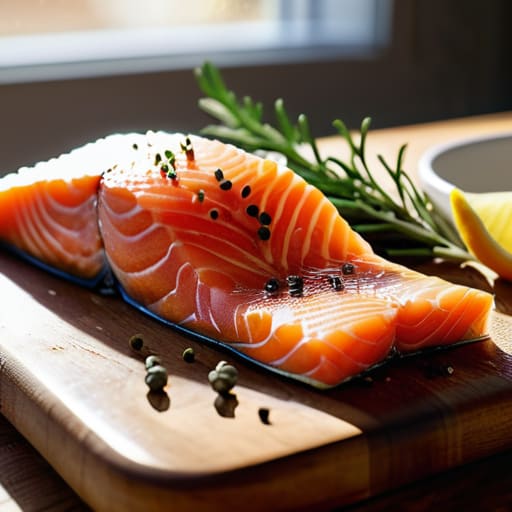
I used to think that learning how to cook fish meant I needed a culinary degree, a $100 cast-iron skillet, and a level of zen I simply didn’t possess. I remember standing in my kitchen last Tuesday, staring at a piece of salmon like it was a ticking time bomb, terrified that one wrong move would leave me with something that tasted like wet cardboard or, worse, a salmonella-filled disaster. There is so much gatekeeping in the food world, acting like if you aren’t poaching something in a specialized broth, you’re doing it wrong. Honestly? It’s exhausting, and it’s why most of us just default to chicken every single time.
I’m over the intimidation factor, and I think you are too. In this guide, I’m stripping away the chef-speak to give you a repeatable system for getting it right every time, regardless of the species. We aren’t going to obsess over fancy gadgets or impossible techniques; instead, I’m sharing the actual, unpolished steps to ensure your protein is flaky, seasoned, and completely stress-free. Let’s get into the mechanics of how to cook fish without turning your kitchen into a chaotic mess.
Table of Contents
- Stop Overcomplicating It the Low Stress System for How to Cook Fish
- Ditch the Decision Fatigue With These Essential Types of Fish for Beginners
- The Real Secret to the Best Way to Season Fish Every Time
- No More Kitchen Chaos My Strategy for Preventing Fish From Sticking to Pan
- Precision Over Guesswork Knowing the Internal Temperature for Cooked Fish
- The "Don't Mess This Up" Cheat Sheet: 5 Tiny Habits for Better Fish
- The Cheat Sheet for Stress-Free Fish
- The Bottom Line
- Frequently Asked Questions
Stop Overcomplicating It the Low Stress System for How to Cook Fish
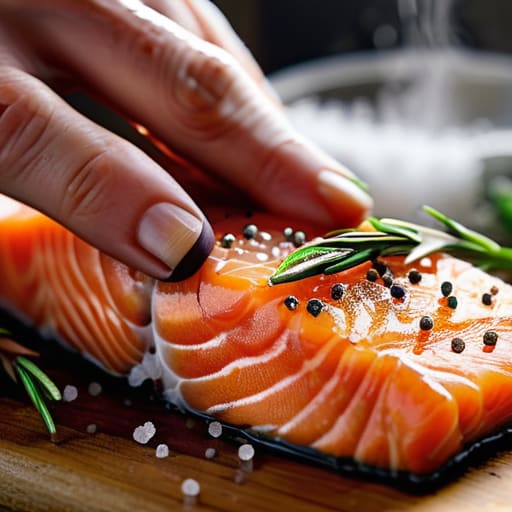
First off, let’s get one thing straight: you don’t need a culinary degree or a set of expensive copper pans to pull this off. Most people freeze up because they think they need to master complex techniques, but the secret is actually just reducing the variables. If you’re just starting out, stick to the easy types of fish for beginners like salmon or tilapia. These are much more forgiving when you’re still figuring out your timing.
To keep things from turning into a kitchen disaster, my go-to system starts with the prep. I always pat my fillets bone-dry with a paper towel before they even touch the heat; this is the absolute best way for preventing fish from sticking to the pan and ensuring you actually get that crispy skin instead of a sad, gray mess. Once the pan is hot and the oil is shimmering, don’t be afraid to be aggressive with your spices. Finding the best way to season fish usually just means a heavy hand with kosher salt, cracked pepper, and maybe a squeeze of lemon at the very end. Keep it simple, keep it clean, and stop overthinking the process.
Ditch the Decision Fatigue With These Essential Types of Fish for Beginners
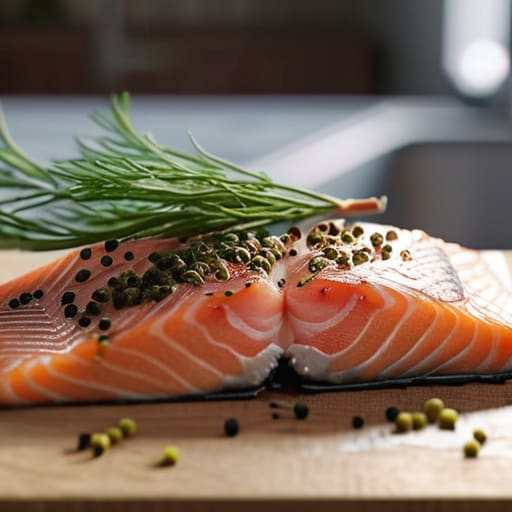
The biggest mistake I see people make is walking into the grocery store and staring blankly at the seafood counter like they’re trying to solve a calculus equation. If you’re feeling overwhelmed, ignore the exotic, expensive stuff for now. You want to focus on reliable types of fish for beginners that are forgiving and don’t require a culinary degree to master. Salmon is my absolute go-to because it’s fatty enough to stay juicy even if you slightly overcook it, and tilapia is incredibly cheap and neutral, making it a perfect blank canvas for whatever spices you have in the pantry.
If you want to keep things even simpler, look for cod or halibut. These white fish are sturdy and hold their shape well, which is a lifesaver when you’re still figuring out the mechanics of preventing fish from sticking to the pan. Once you have your protein picked out, don’t stress about complex sauces. Focus on a simple salt, pepper, and lemon combo; honestly, that is often the best way to season fish without masking the flavor or making a mess of your kitchen. Keep your lineup consistent, and the decision fatigue disappears.
The Real Secret to the Best Way to Season Fish Every Time
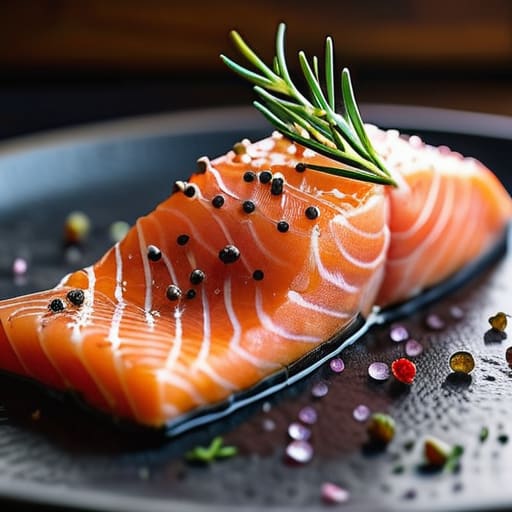
Look, I used to think seasoning fish meant following some complicated spice rub recipe from a cookbook, but that’s just more mental clutter we don’t need. The best way to season fish is actually much more minimalist: salt, pepper, and maybe a squeeze of lemon or a hit of garlic powder. The trick isn’t adding a million ingredients; it’s about not drowning the natural flavor of the seafood. If you pile on too much heavy seasoning, you’re just masking the fact that you might have overcooked it.
My personal system is to pat the fillets bone-dry with a paper towel before you even touch the spices. If the surface is wet, the seasoning won’t stick, and you’ll end up with a soggy mess instead of that crispy skin we’re all after. This is also your first line of defense for preventing fish from sticking to the pan. Once you’ve got that dry surface and a light coating of seasoning, you’re ready to hit the heat. Keep it simple, keep it dry, and let the quality of the fish do the heavy lifting.
No More Kitchen Chaos My Strategy for Preventing Fish From Sticking to Pan
There is nothing that kills my vibe faster than a beautiful piece of fillet turning into a shredded, crusty mess stuck to the bottom of a pan. It’s frustrating, it looks unappealing, and it makes you feel like you’ve failed at a basic skill. But honestly? Most of the time, it’s not your cooking—it’s your physics. The absolute key to preventing fish from sticking to pan is patience and temperature control. You have to let the fish actually release itself. When you first drop it in the pan, it’s going to want to cling to the surface. Resist the urge to poke at it or try to flip it prematurely. If it’s fighting you, it’s not ready.
Once you see those edges turning opaque and slightly golden, it will naturally lift away. I also swear by patting my fish bone-dry with paper towels before it even touches the oil. Moisture is the enemy of a good sear; if there’s water on the surface, you’re essentially steaming it instead of crisping it. If you follow this, you’ll move past the panic and actually start enjoying the process.
Precision Over Guesswork Knowing the Internal Temperature for Cooked Fish
Look, I get it. The “poke it with a fork and hope for the best” method is how you end up with either a piece of salmon that’s basically a leather belt or something so underdone it’s actually concerning. If you want to stop guessing, you need to invest in a digital instant-read thermometer. It is the single most effective tool for how to tell if fish is done without the frantic guesswork.
When you’re working through different types of fish for beginners, like cod or trout, the goal is consistency. For most flaky white fish, you’re aiming for an internal temperature for cooked fish of about 145°F (63°C). However, if you prefer your salmon a little more tender and medium-rare, you can pull it off the heat at 135°F and let the carryover cooking do the rest of the work while it rests. It takes the anxiety out of the process and turns a high-stakes kitchen moment into a simple, repeatable system. No more staring at the pan in a state of panic—just hit the number and move on with your life.
The "Don't Mess This Up" Cheat Sheet: 5 Tiny Habits for Better Fish
- Pat it dry like your life depends on it. I know, it sounds extra, but if your fish is damp when it hits the pan, you’re basically steaming it instead of searing it. Grab a paper towel and get that moisture off before you even think about seasoning.
- Stop treating the pan like a crowded elevator. If you crowd the fillets, the temperature drops instantly and you end up with a soggy, sad mess. Give each piece some breathing room so the heat can actually do its job.
- Invest in a cheap digital thermometer. I used to try and “feel” the firmness of the fish, but that’s how I ended up eating rubbery salmon. Just check the internal temp; it takes two seconds and removes all the guesswork.
- Let it rest, even if it’s just for a minute. You don’t need to wait twenty minutes like a steak, but letting the fish sit off the heat for a moment helps the juices redistribute so it doesn’t dry out the second you take a bite.
- Don’t touch it. Seriously. Once you put the fish in the pan, leave it alone. If you keep poking at it or trying to flip it too early, it’s going to tear apart. Wait until it naturally releases from the pan—that’s your signal that it’s ready.
The Cheat Sheet for Stress-Free Fish
Stop guessing and start measuring—use a thermometer to hit that internal temperature so you aren’t stuck choosing between raw and rubbery.
Simplify your grocery run by sticking to beginner-friendly, forgiving fish types until you feel more confident in the kitchen.
Master the prep, not just the cook: get your pan hot, season aggressively, and use the right oil to prevent the dreaded “stuck-to-the-pan” panic.
The Bottom Line
At the end of the day, cooking fish isn’t about mastering some complex culinary art form; it’s just about having a repeatable system that works. We covered how to pick the right beginner-friendly fillets, how to season them without getting lost in a spice cabinet, and most importantly, how to manage your heat so you aren’t fighting a sticking pan or staring at a piece of salmon that’s either raw or rubbery. Once you stop treating every meal like a high-stakes exam and start relying on temperature and technique, the anxiety just evaporates. If you can manage your pan temperature and trust your thermometer, you’ve already won half the battle.
I know that for a lot of us, the kitchen can feel like a place where things just go wrong, especially when you’re trying to eat better on a budget or a tight schedule. But remember, even my mom—who is a literal chef—had to learn the basics before she could make it look easy. Don’t let the fear of a ruined dinner keep you from trying something new. Adulthood is a lot easier when you realize that failure is just part of the system. So, grab a piece of white fish, get that pan hot, and just go for it. You’ve got this.
Frequently Asked Questions
Is it actually safe to buy frozen fish, or should I only ever go for the fresh stuff?
Honestly? Frozen is totally fine. In fact, if you’re looking to reduce friction, frozen is actually better. Most “fresh” fish has spent days in transit, whereas frozen is usually flash-frozen at peak quality right after being caught. It’s cheaper, lasts longer in my freezer, and eliminates that mid-week panic of realizing your protein is expired. Just make sure you thaw it properly in the fridge—don’t leave it on the counter like a rebel.
How do I get rid of that "fishy" smell in my kitchen (and my hands) after I'm done?
The smell is the absolute worst part of cooking fish, but you don’t need fancy scented candles to fix it. For the kitchen, just simmer a small pot of water with lemon slices or a splash of vinegar on the stove—it neutralizes the air instantly. For your hands, skip the harsh soap; rub them with a little lemon juice or stainless steel (like your kitchen sink) under cold water. It breaks down the oils so the scent actually vanishes.
What’s the best way to store leftovers so they don't turn into a rubbery mess the next day?
The biggest mistake is just tossing it in a Tupperware and hoping for the best. To avoid that rubbery, sad texture, let your fish cool slightly before sealing it—trapped steam is the enemy of moisture. I always use airtight glass containers to keep things fresh, and when I reheat, I do it low and slow. A splash of water or a tiny bit of butter in the microwave helps steam it back to life.