
I was sitting in my home office last Tuesday, finally hitting a flow state with a client’s content calendar, when that piercing, metallic screech cut right through my focus. Every time my cat brushed against the bedroom door, it sounded like a literal horror movie jump scare. I realized then that I’d been letting that tiny annoyance live rent-free in my head for weeks, just assuming I’d eventually need to call someone to figure out how to fix a squeaky door. But honestly? That’s just gatekeeping the solution. You don’t need a professional contractor or a massive toolkit to stop the madness; you just need to stop overcomplicating the friction.
In this guide, I’m stripping away the DIY intimidation and giving you the actual, unpolished steps to silence your house. I’ll show you how to use things you likely already have in your kitchen or junk drawer to get the job done in under five minutes. No expensive specialized lubricants or unnecessary hardware store runs—just a few simple, repeatable systems to get your home feeling calm and functional again.
Table of Contents
Guide Overview
Tools & Supplies
- Screwdriver (to tighten loose hinge screws)
- Microfiber cloth (to wipe away excess lubricant)
- Lubricant (1 can of silicone spray or 1 tube of white lithium grease)
- Paper towels (a few sheets for cleanup)
Step-by-Step Instructions
- 1. First, you need to figure out if it’s actually the hinge or something else. Walk through the door and move it slowly to pinpoint the exact spot where the noise is coming from. If it’s definitely the hinge, grab a screwdriver and a hammer—it’s time to get to work.
- 2. Most people try to just spray lubricant into the cracks, but that’s a temporary fix that usually just makes a massive, greasy mess on your door frame. Instead, you want to pull the hinge pin out entirely. Place a heavy object like a sturdy book or a small towel on the floor right under the hinge so you don’t accidentally drop the pin or scratch your flooring.
- 3. Use the claw end of your hammer to gently tap the bottom of the hinge pin upward until it pops out. If it’s being stubborn, don’t force it too hard; just give it a few steady, rhythmic taps until it starts to slide. Once it’s out, set it aside in a safe spot (like a small bowl) so you don’t lose it in the carpet.
- 4. Now, take a paper towel and wipe down the pin and the inside of the hinge sleeve. Over time, these parts collect a disgusting mix of dust and old, dried-out grease that actually contributes to the friction. You want a clean surface before you apply anything new.
- 5. This is where you choose your lubricant. If you have a can of WD-40, that works for a quick fix, but if you want this to actually stay quiet for months, I highly recommend using a silicone spray or even a bit of white lithium grease. If you’re in a total pinch and don’t want to run to the hardware store, a tiny drop of cooking oil from the kitchen will do the trick in a pinch, though it’s not the most permanent solution.
- 6. Apply a thin, even layer of your lubricant to the pin. You don’t need to go overboard here; less is definitely more when it comes to preventing drips. Once it’s coated, slide the pin back into the hinge and tap it all the way down with your hammer until it’s flush with the hinge head.
- 7. Finally, grab a clean rag and wipe away any excess oil that might have squeezed out when you reinserted the pin. Open and close the door a few times to work the lubricant into the mechanism. If it’s still making a tiny bit of noise, just repeat the process with a slightly heavier hand on the lubricant.
Understanding How to Fix a Squeaky Door

Before you dive into the actual work, it helps to understand why your door is acting like a haunted house. Most of the time, it’s just simple friction—metal rubbing against metal because the factory grease has dried up or collected a layer of dust. If the sound is a high-pitched screech, you’re likely just looking at a surface issue. But if it’s a deep, grinding noise, you’re probably dealing with a pin that’s actually worn down or misaligned.
When choosing your tools, you’ll run into the classic debate of WD-40 vs silicone spray for doors. Here’s the real tea: standard WD-40 is a great solvent to break up gunk and stop a noise instantly, but it evaporates quickly. If you want a long-term fix, I always recommend a silicone-based spray or a lithium grease. These actually stay on the metal longer. If the quick spray doesn’t cut it, you’ll eventually need to try removing the hinge pin to grease it directly. It’s a bit more effort, but it’s the only way to ensure the internal mechanism is actually coated and protected.
Key Things to Know
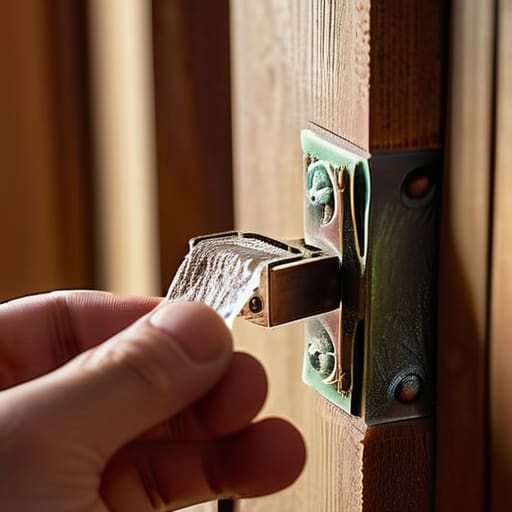
Before you dive in, there are a few things I wish someone had told me when I first started tackling random house stuff. First off, let’s talk about the stuff in your pantry versus the stuff in your toolbox. If you’re in a pinch, there are plenty of household items to stop door squeaks, like a bit of Vaseline or even some cooking oil, but keep in mind these are usually just temporary Band-Aids. They work for a week or two, but they tend to collect dust and eventually get messy.
If you want a solution that actually lasts, you really need to consider the difference between WD-40 vs silicone spray for doors. I used to think WD-40 was the holy grail for everything, but it’s actually more of a cleaner and a water displacer. It’ll stop the noise for a minute, but it evaporates fast. For long-term door hinge maintenance tips, I always suggest grabbing a silicone-based spray or a lithium grease. It stays where you put it and keeps things moving smoothly without that gross, sticky buildup.
Pro-tips to keep the silence lasting longer
- Don’t just spray and pray. If you’re using a lubricant, try to get it actually into the hinge mechanism rather than just coating the outside. If you can, pull the hinge pin out slightly (or all the way if you’re feeling ambitious) to coat the pin itself. That’s where the real friction is happening.
- Avoid the vegetable oil trap if you can help it. I know, it’s in the kitchen and it’s easy, but cooking oil can get gummy and attract dust over time, which basically turns your hinge into a sticky mess. Stick to a dedicated silicone spray or a lithium grease if you want a long-term fix.
- Check for more than just lubrication. Sometimes a squeak isn’t about dryness; it’s about a loose screw. If the hinge feels wobbly when you move the door, grab a screwdriver and tighten everything up first. A loose hinge creates uneven pressure, and that’s a recipe for noise.
- Keep a “maintenance kit” in your junk drawer. I keep a small can of WD-40 and a tiny screwdriver in my utility kit so I don’t have to go on a scavenger hunt every time a new noise pops up in the house. Being proactive saves so much mental energy.
- Listen to the rhythm. If the squeak is high-pitched and sharp, it’s likely just dry metal. If it’s a low, grinding sound, you might have a deeper issue with the door alignment or a hinge that’s actually bending. Identifying the “flavor” of the noise tells you if you need a quick spray or a real repair.
The Quick Cheat Sheet
Don’t overthink it—most squeaks are just friction, so a little bit of lubricant (even kitchen oil in a pinch) is usually all you need to solve the problem.
Clean the hinge before you lube it; if you just slap oil on top of old, crusty gunk, you’re just making a messy, sticky situation that’ll eventually attract more dust.
Keep a small maintenance kit handy—having a spray can or a tiny oil dropper in your “junk drawer” means you can fix the annoyance in thirty seconds instead of letting it drive you crazy for weeks.
Peace and Quiet Restored
At the end of the day, fixing a squeaky door isn’t about becoming a master carpenter; it’s just about identifying the friction point and applying the right solution. Whether you went the classic route with some WD-40, used a bit of petroleum jelly, or even reached for some cooking oil in a pinch, you’ve successfully removed a tiny but constant irritant from your environment. Just remember to clean off any excess so you don’t end up with a greasy mess on your door frame, and keep an eye on those hinges every few months to make sure the fix holds. It’s these small, intentional maintenance wins that keep your home feeling like a sanctuary rather than a source of frustration.
I know that sometimes these tiny household annoyances can feel like the “last straw” when you’re already overwhelmed with work or life. But honestly? There is something incredibly grounding about taking ten minutes to fix something that’s broken. It’s a way of telling yourself that you are in control of your space. Don’t let the little things pile up and create mental clutter. Once you realize that most “emergencies” are actually just simple systems waiting to be applied, the world feels a lot less chaotic. Now, go enjoy the silence—you’ve earned it.
Frequently Asked Questions
I tried spraying WD-40 but the squeak came back after a week; what am I doing wrong?
Honestly, I’ve been there. Here’s the thing: WD-40 is actually a solvent, not a long-term lubricant. It’s great for loosening things up, but it evaporates fast and can actually strip away the existing grease, leaving your hinges even drier. To make it stick, you need something thicker. Grab some lithium grease or even a bit of sewing machine oil. Apply it, work the door back and forth, and it’ll actually stay quiet.
Is there a way to fix this without taking the whole door off the hinges?
Honestly, you totally can. You don’t need to go full DIY-disaster and unscrew the entire door just to get some peace and quiet. If you want to avoid the heavy lifting, just use a lubricant spray—like WD-40 or a silicone spray—and aim it directly into the gaps of the hinge joints while you swing the door back and forth. It’s a bit messy, so keep a paper towel handy, but it works.
Can I use something from my kitchen, like olive oil, or will that just make a mess and gunk up the mechanism?
Look, I get it—you’re already in the kitchen and don’t want to run to the hardware store. You can use olive oil, but honestly? It’s a temporary fix. It’ll stop the noise for a bit, but eventually, it tends to get gummy and actually attracts dust, which can make the hinge even grittier. If you’re in a pinch, go for it, but grab some actual lubricant as soon as you can.