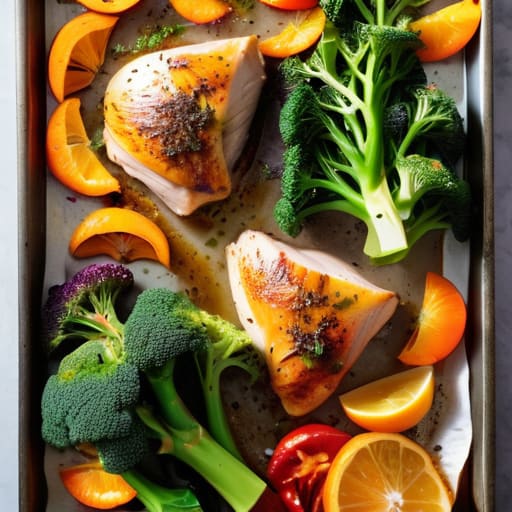
Let’s be real: the “what’s for dinner” panic at 6:00 PM is one of the most unnecessary stressors in adult life. I used to spend my evenings staring at a cluttered fridge, feeling like I was failing at basic survival because I didn’t have the energy to manage four different pots and pans. But I’ve realized that most of our kitchen chaos comes from overcomplicating things. Instead of aiming for a five-course meal every night, I’ve started leaning into simple sheet pan dinners to reclaim my sanity. It’s not about being a gourmet chef; it’s about building a system that feeds you without turning your kitchen into a disaster zone.
In this post, I’m breaking down five of my absolute go-to setups that actually work for a busy, low-maintenance lifestyle. I’m not going to give you anything fancy or gatekeep the “perfect” technique; I’m just sharing the exact combinations I use to get a solid meal on the table with minimal cleanup. You’re going to walk away with five reliable blueprints that prove you can eat well without losing your entire evening to the sink full of dishes.
Table of Contents
The Sausage and Pepper Standard
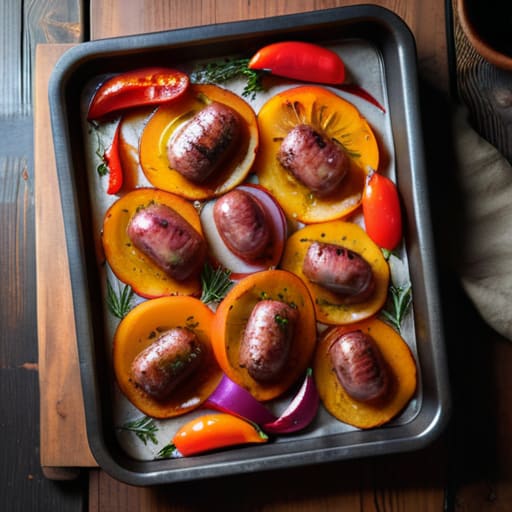
This is my absolute baseline for when I’ve had a day that felt like a marathon. I grab a pack of pre-cooked Italian sausages, some bell peppers, and an onion, chop them into roughly the same size, and toss them onto a tray with olive oil and dried oregano. The beauty of this is that the sausages get that perfectly crispy casing while the veggies soften up in all the rendered fat, creating a built-in sauce that makes everything taste intentional rather than rushed.
Lemon-Garlic Salmon and Asparagus
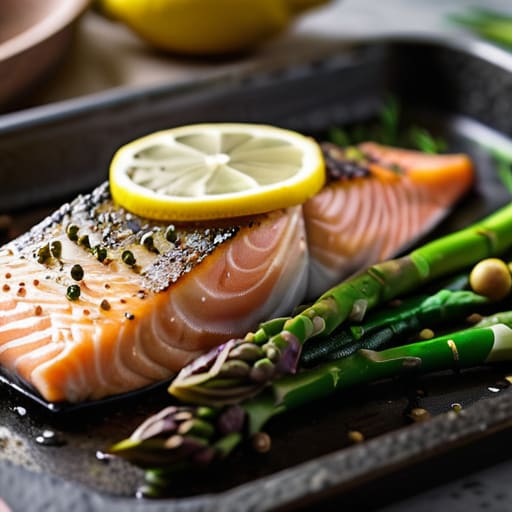
There are days when I want to feel like I actually have my life together, and this is the meal that does it. I lay out salmon fillets and a bunch of trimmed asparagus on a sheet pan, then hit them with plenty of lemon slices, minced garlic, and a heavy hand of black pepper. It’s incredibly hard to mess this up because the salmon stays moist from the steam of the veggies, and the lemon adds that bright, fresh acidity that makes it feel like a restaurant dish.
Mediterranean Chicken and Veggie Medley
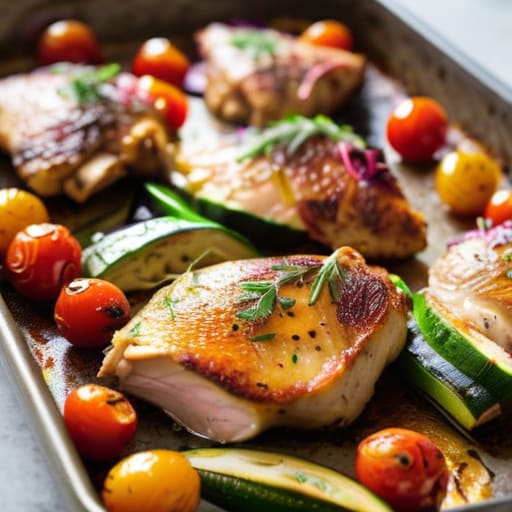
When I’m craving something that feels a bit more substantial, I go for a Mediterranean-style tray bake. I use chicken thighs—never breasts, because they dry out way too fast—and surround them with chunks of zucchini, red onion, and cherry tomatoes. I season everything with smoked paprika and dried thyme, which gives the whole tray a deep, earthy aroma that fills the kitchen while it’s roasting.
The Roasted Gnocchi Hack
Okay, this one is a bit of a curveball, but hear me out. Instead of boiling shelf-stable or refrigerated gnocchi, you toss them straight onto a sheet pan with some halved cherry tomatoes, garlic cloves, and chunks of bell pepper. Roasting the gnocchi transforms them from soft and pillowy to something with a crispy, golden exterior and a chewy center that is honestly life-changing.
Beef and Broccoli Stir-Fry Style
I know, I know—usually stir-fry happens in a wok, but doing it on a sheet pan is a massive time-saver. I use thin strips of flank steak or even just frozen beef strips, along with broccoli florets and sliced carrots. I toss it all in a mixture of soy sauce, sesame oil, and a bit of ginger, then spread it out so nothing is overcrowded.
The Lowery Logic: Making it Stick
Don’t aim for gourmet; aim for “done.” The goal isn’t a five-star meal, it’s clearing your mental load so you can actually relax after work.
Invest in your tools, not the recipes. A high-quality, heavy-duty sheet pan is the difference between a crispy dinner and a soggy mess.
Build a mental template. Once you realize you can throw almost any protein and veggie combo on a tray, you stop needing a recipe and start just living.
The Low-Effort Win
At the end of the day, these sheet pan dinners aren’t about becoming a gourmet chef or following some complicated culinary ritual. It’s really just about the math: less prep time, fewer dishes to scrub, and more time to actually unwind after work. Whether you’re leaning into a classic roasted veggie medley or a high-protein salmon tray, the goal remains the same—minimizing the friction between being hungry and being fed. Once you have a few of these reliable templates in your mental rotation, you stop viewing Tuesday nights as a logistical hurdle and start seeing them as a solved problem.
I know that feeling of staring into a fridge at 7:00 PM and feeling that immediate sense of dread, but I promise you, it doesn’t have to be that way. Adulthood is heavy enough as it is; your dinner shouldn’t add to the mental load. Start small, pick one recipe from this list, and just see how it feels to have a clean kitchen and a full stomach without the usual chaos. You’re building a system here, one tray at a time, and honestly? That’s a massive win for your sanity.
Frequently Asked Questions
Can I use frozen veggies on a sheet pan, or will they turn into a soggy mess?
Honestly, you can, but you have to be intentional about it. If you just toss them in frozen, they’ll definitely steam and get that sad, soggy texture. My rule of thumb: don’t crowd the pan. Give them space to breathe so the moisture can actually evaporate. I also like to preheat the tray in the oven for a few minutes first—it helps sear the outside immediately so you get some actual roast instead of mush.
How do I make sure the meat is actually cooked through without burning the vegetables?
This is the classic sheet pan struggle. My trick? Timing is everything. If you’re doing something heavy like chicken thighs, toss them in first. Give them a ten-minute head start before adding your veggies. If you’re working with delicate stuff like shrimp or asparagus, wait until the very end. Also, cut your denser veggies (like carrots or potatoes) smaller than the meat so they actually finish at the same time.
Are there specific types of sheet pans I should avoid if I don't want my food sticking?
Honestly, stay away from those super cheap, thin aluminum pans you find at the dollar store. They warp the second they hit high heat, which creates uneven hot spots and makes everything stick. Also, if you’re looking at old, scratched-up non-stick pans, toss them. Once that coating starts peeling, your food is going to cling to it like crazy. Stick to a heavy-duty rimmed baking sheet—it’s a much better long-term system.