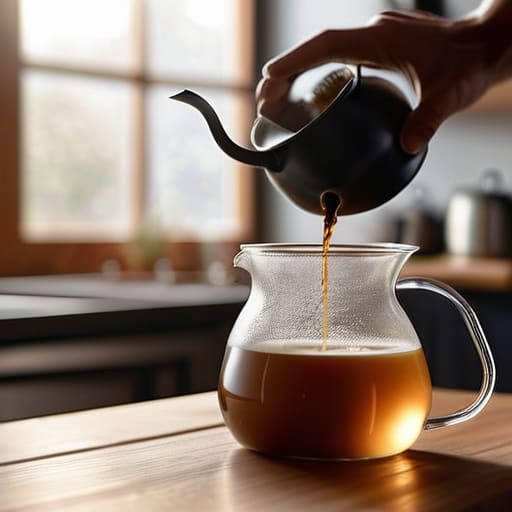
I’m so tired of seeing $80 pour-over kits and “essential” espresso machines that take up half your counter space just to tell you that you need a PhD in fluid dynamics to get a decent cup. Honestly, the gatekeeping in the specialty coffee world is exhausting; you don’t need a laboratory setup to figure out how to make coffee at home that actually tastes good. Most of those influencers are just selling you a lifestyle of complicated gadgets, but for the rest of us who just want to function before 9:00 AM, that’s just unnecessary friction.
I’m not here to lecture you on bean acidity or the precise atmospheric pressure of your kitchen. Instead, I’m going to give you the actual, unpolished systems I’ve spent years testing to make my morning routine seamless. We’re going to skip the hype and focus on the low-effort, high-reward setups that actually work when you’re running late. My goal is to help you master the basics so you can stop overthinking it and start enjoying a better cup of coffee without the constant state of emergency.
Table of Contents
Understanding How to Make Coffee at Home
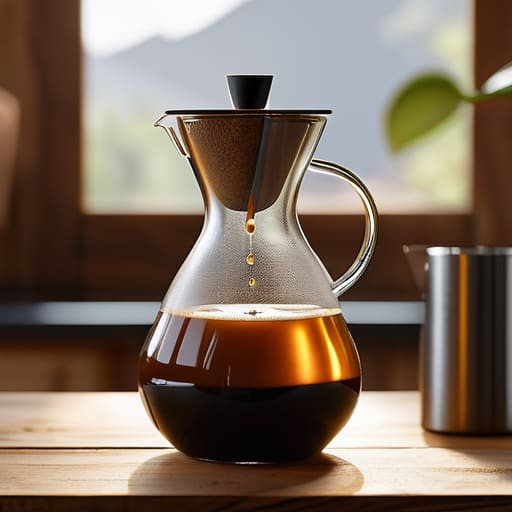
Before we get into the actual steps, we need to clear something up: making great coffee isn’t about owning a $1,000 espresso machine or mastering some complex science experiment. It’s really just about managing a few variables so you don’t end up with a cup that tastes like battery acid. Most of the time, when people struggle, it’s because they’re treating the process like a chore rather than a simple system.
The first thing you need to realize is that your gear matters less than your ingredients. If you aren’t using freshly ground coffee beans, you’re essentially fighting a losing battle from the start. Once those beans sit in a bag for months, they lose the oils that actually make them taste good.
Beyond the beans, you’ll want to look into the best coffee brewing methods that actually fit your lifestyle. Are you someone who wants a quick pour-over while checking emails, or do you prefer the slow ritual of a French press? Once you pick a method, we’ll focus on the small tweaks—like water temperature and grind size—that actually move the needle on flavor without making it feel like a second job.
Key Things to Know
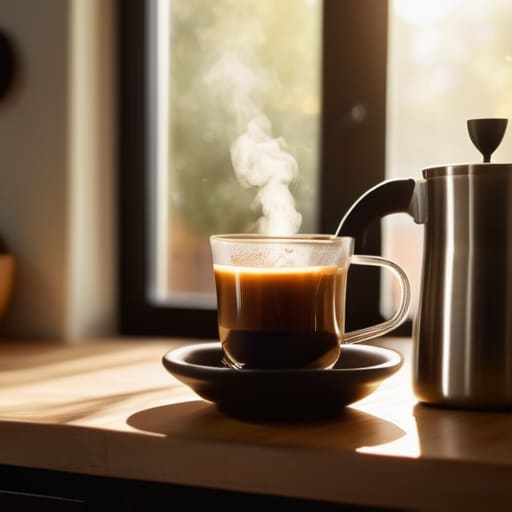
Before you go out and drop two hundred dollars on a fancy espresso machine, let’s get one thing straight: you don’t need a lab-grade setup to avoid a mediocre cup. The biggest mistake I see people make is overcomplicating the gear before they even understand the basics. If you’re just starting out, focus on coffee brewing equipment for beginners that actually serves a purpose—think a simple French press or a pour-over dripper. These are low-maintenance, easy to clean, and they won’t take up your entire kitchen counter.
The real secret to improving your coffee flavor profile isn’t actually the machine; it’s the ingredients. If you’re using pre-ground, stale stuff from a grocery store tin, you’re fighting a losing battle. You really want to invest in freshly ground coffee beans and grind them right before you brew. It’s a tiny extra step in your morning routine, but it’s the single most effective way to stop your coffee from tasting like burnt cardboard. Once you nail the beans, everything else just falls into place.
Practical Tips and Steps
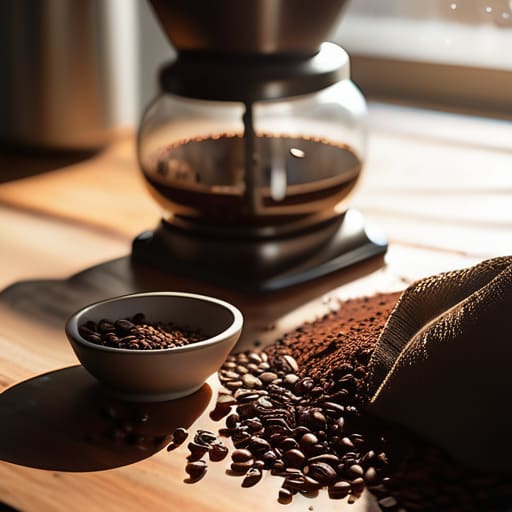
If you’re just starting out, don’t feel like you need to drop a paycheck on a professional espresso machine. Honestly, the best way to begin is by focusing on the basics of coffee brewing equipment for beginners, like a simple French press or a pour-over dripper. The real secret, though, isn’t the gear—it’s the freshness. I can’t stress this enough: buy whole beans and grind them right before you brew. Using freshly ground coffee beans is the single fastest way to stop your morning cup from tasting like bitter cardboard.
Once you have your gear, it’s all about the workflow. If you’re using a pour-over, pay attention to your water; if it’s boiling hot, you’ll scorch the grounds, but if it’s too cool, you won’t get any flavor out of them. Aiming for a perfect coffee water temperature—usually around 195°F to 205°F—is a total game changer. It’s a small tweak, but it makes the difference between a drink that’s just “fine” and one you actually look forward to.
Common Mistakes to Avoid
The biggest mistake I see people make—and I’ve definitely been guilty of this—is treating coffee like an afterthought. If you’re using pre-ground, stale stuff that’s been sitting in your pantry for three months, you’re basically fighting a losing battle. To actually see a difference, you need to invest in freshly ground coffee beans and grind them right before you start. It sounds like an extra step, but it’s the single most effective way to stop your morning cup from tasting like bitter sawdust.
Another thing that trips people up is getting too obsessed with expensive gear before they even know what they like. You don’t need a $500 espresso machine to get started; you just need to understand the basics of coffee brewing equipment for beginners, like a decent French press or a pour-over dripper. Also, watch your water. If you’re using boiling water straight off the stove, you’re likely scorching the grounds. Aiming for that perfect coffee water temperature—just off the boil—is the difference between a smooth cup and one that tastes like burnt rubber.
Final Thoughts
At the end of the day, don’t let the gear or the “science” of it all intimidate you. You don’t need a kitchen full of expensive gadgets to get started; honestly, some of the best coffee brewing methods are the ones that require almost zero setup. My biggest piece of advice is to just start experimenting. If your cup tastes a little off, don’t scrap the whole routine—just tweak one thing, like the grind size or the water temp, and see what happens.
The real secret to improving your coffee flavor profile isn’t some gatekept secret; it’s usually just the basics. Using freshly ground coffee beans and paying attention to your water temperature will do more for your morning ritual than any high-tech machine ever could. Adulthood is chaotic enough as it is, so treat your coffee routine as a small, reliable win rather than another chore on your to-do list. Get your system down, find what works for your palate, and just enjoy the quiet moment before the day gets loud.
5 Small Tweaks for a Much Better Morning Brew
- Stop using pre-ground coffee if you can help it. I know, it’s an extra step, but grinding your beans right before you brew is the single biggest way to stop your coffee from tasting like bitter cardboard.
- Get a decent scale. You don’t need a lab-grade setup, but eyeballing scoops is how you end up with a cup that’s either way too watery or way too intense. Consistency is everything.
- Watch your water temperature. If you’re using boiling water straight off the stove, you’re basically scalding the beans and ruining the flavor. Let it sit for about a minute after it boils before you pour.
- Clean your gear like you actually mean it. Old coffee oils build up in your carafe or French press and start tasting rancid. A quick rinse with soap after every use saves your next batch from being gross.
- Store your beans in a cool, dark spot—not the freezer. I see people doing this all the time, but the moisture fluctuations in a freezer can actually mess with the beans. A simple airtight container in the pantry is plenty.
The TL;DR of your new morning routine
Stop overcomplicating it—you don’t need a $500 espresso machine to enjoy a good cup; you just need fresh beans and a consistent method.
Focus on the variables you can actually control, like water temperature and grind size, rather than stressing over expensive gear.
Build a system that works for your actual life, whether that’s a quick pour-over or a reliable French press, so you aren’t fighting your kitchen every morning.
Final Thoughts on Your Morning Routine
At the end of the day, making better coffee isn’t about owning a thousand-dollar espresso machine or mastering complex extraction ratios that require a lab coat. It’s really just about the basics: getting decent beans, using the right water temperature, and actually following a consistent process instead of just winging it every morning. We talked about everything from avoiding those bitter mistakes to setting up a workflow that doesn’t feel like a chore. If you can nail those few core pillars, you’ve already bypassed 90% of the struggle. You don’t need to be a professional barista to have a cup that actually tastes like something worth waking up for; you just need to stop treating your morning caffeine like an afterthought.
I know that when life feels chaotic, even a simple kitchen task can feel like one more thing on an endless to-do list. But that’s exactly why I’m so obsessed with these little systems. When you master your coffee routine, you aren’t just making a drink; you’re reclaiming a small, predictable moment of peace before the world starts demanding things from you. Don’t feel pressured to be perfect right out of the gate. Just pick one thing to improve tomorrow—maybe it’s just buying fresher beans or timing your pour—and build from there. You’ve got this, and honestly, your future, well-caffeinated self will definitely thank you.
Frequently Asked Questions
Is it actually worth buying a burr grinder, or can I just stick to the cheap blade ones for now?
Look, I get the temptation to save a few bucks with a blade grinder, but if you’re serious about the ritual, the burr grinder is non-negotiable. Blade grinders basically just smash your beans into uneven chunks—some powder, some boulders—which makes your coffee taste both bitter and sour at the same time. It’s frustrating. If you can swing it, get a burr grinder. It’s the single biggest way to stop wasting good beans.
How do I know if my water is actually the problem if my coffee still tastes weird?
If your coffee tastes “off,” your water is a huge suspect. Here’s the quick test: grab a glass of filtered water and brew a cup using a different, high-quality bottled water (like spring water) just once. If the taste shifts from “weird” to “actually good,” your tap water is likely too hard or chlorinated. It’s a frustrating variable, but honestly, if your water tastes like a swimming pool, your expensive beans won’t save you.
What’s the easiest way to clean my equipment without spending an hour scrubbing it every single morning?
Honestly, the secret is to stop treating cleaning like a weekend chore and start treating it like a quick reset. Don’t let the grounds sit; rinse your carafe and filter immediately after you pour your first cup. If you use a French press, a quick swirl with hot water and a drop of soap takes ten seconds. If you clean as you go, you’re looking at a 30-second rinse, not an hour of scrubbing.