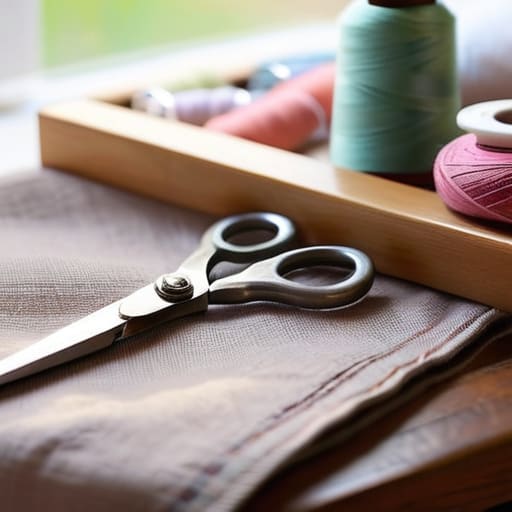
I used to think you needed a massive, $400 sewing machine and a dedicated studio space just to fix a loose button or a ripped seam, but that’s honestly just gatekeeping. Most of those “essential” starter kits you see online are just expensive ways to clutter your junk drawer with tools you’ll never actually touch. When I first started looking into sewing basics for beginners, I was so overwhelmed by the technical jargon and the sheer amount of gear people insisted on buying that I almost gave up entirely. The truth is, you don’t need a professional setup to stop your favorite jeans from falling apart; you just need a functional system that works for your actual life.
I’m not here to give you a lecture on textile theory or sell you on a lifestyle you don’t have time for. Instead, I’m stripping everything back to the absolute essentials—the stuff that actually helps you finish a project without wanting to throw your machine out the window. My goal is to walk you through the real-world mechanics of stitching, from choosing a needle that won’t snap to mastering the tension settings that make or break a seam. We’re going to focus on low-friction methods that turn sewing from a stressful chore into a reliable skill you can actually use.
Table of Contents
Understanding Sewing Basics for Beginners
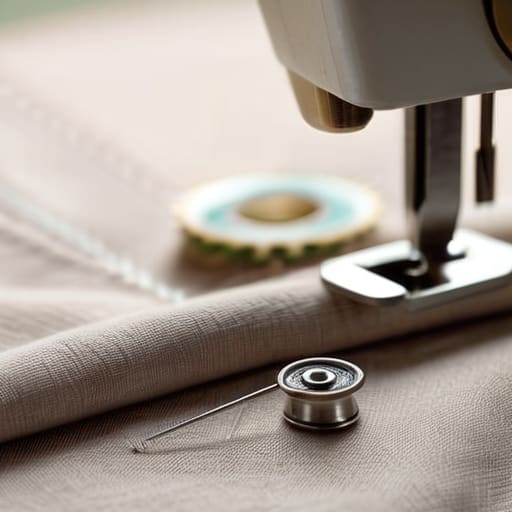
Before you dive into a complex pattern, you need to get comfortable with the actual mechanics of the craft. It’s easy to get overwhelmed by the sheer amount of gear out there, but honestly, you don’t need a studio full of equipment to start. I always tell people to focus on gathering a few essential sewing machine tools first—think quality fabric shears, a seam ripper (your new best friend), and some decent pins. Once you have the physical stuff, the real learning curve is understanding how the machine actually functions. Mastering how to thread a sewing machine might feel tedious the first five times, but it’s the foundation of everything; if your thread isn’t seated perfectly, nothing else matters.
Once you’ve got the machine running, it’s all about the relationship between your thread and your material. I highly recommend starting with some stable cotton quilter’s fabric rather than anything stretchy or slippery, which can be a total nightmare for a novice. As you build your confidence, you’ll start experimenting with different basic sewing stitches for beginners, like the straight stitch or the zigzag, to secure your seams. The goal isn’t perfection right out of the gate; it’s just about building a system that works.
Key Things to Know
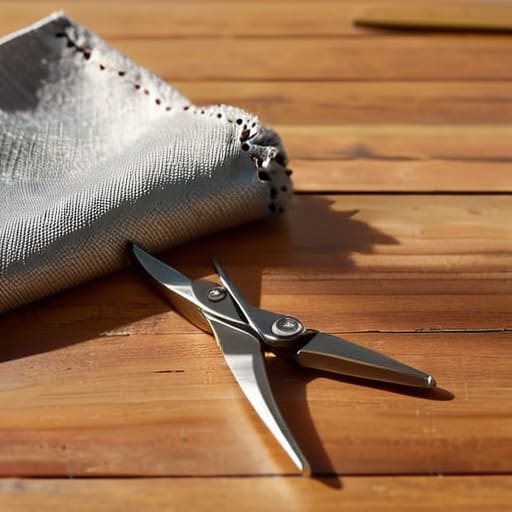
Before you dive in, let’s get one thing straight: you don’t need a massive, professional studio to start. Most people get overwhelmed by the sheer volume of sewing notions and supplies available at craft stores, but honestly? It’s mostly noise. Start with a small, curated kit. You’ll want decent fabric shears (never use them on paper, seriously), a handful of glass-head pins, and a seam ripper—because you will mess up, and that’s okay.
Once you have your kit, the real hurdle is usually the machine itself. Don’t let the manual intimidate you; once you master how to thread a sewing machine, everything else starts to click. It’s a mechanical process, not magic. I spent way too long trying to force the thread through the wrong path before I realized it’s all about following the tension paths.
Lastly, keep your expectations realistic regarding your material. Different fabric types for new sewists behave wildly differently; trying to sew a slippery silk when you’re just starting is a recipe for a meltdown. Stick to stable cottons while you’re learning the ropes.
Practical Tips and Steps
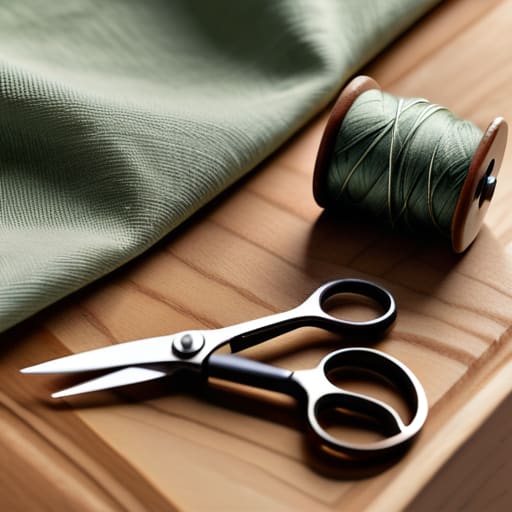
First things first: don’t let the sheer amount of stuff in the craft aisle paralyze you. You don’t need a professional studio to start; you just need a curated pile of sewing notions and supplies that actually serve a purpose. I always tell people to start with a decent pair of fabric shears (and never use them on paper, please) and a handful of universal pins. When it comes to picking your first project, stick to stable fabric types for new sewists like cotton poplin or linen. Avoid anything stretchy or slippery like silk or jersey until you’ve mastered the tension on your machine, otherwise, you’ll just end up frustrated and ready to quit.
Once you’ve got your workspace set up, the real hurdle is usually the machine itself. Learning how to thread a sewing machine can feel like trying to solve a Rubik’s Cube the first time you do it, but it’s really just about following the visual path. Don’t rush this part. If your thread isn’t seated perfectly in the tension discs, your stitches will bunch up and look like a mess. Take it slow, check your work frequently, and remember that even the pros have to re-thread their machines more often than they’d like to admit.
Common Mistakes to Avoid
Look, I’ve definitely spent more hours than I’d like to admit fighting with a piece of fabric that just wouldn’t cooperate. One of the biggest pitfalls I see is people trying to tackle complex projects before they’ve actually mastered how to thread a sewing machine correctly. If your tension is off because you rushed the setup, you’re going to end up with a bird’s nest of thread under your fabric, and that is a massive headache to unpick. Take your time with the mechanics; it’s not worth the frustration.
Another thing that trips people up is ignoring the relationship between your needle and your material. I’ve seen so many people try to blast through heavy denim with a universal needle meant for lightweight cotton, and it’s a recipe for broken needles and ruined projects. Learning which fabric types for new sewists work best with specific needles is a total game-changer. Also, please, for the love of everything, stop using kitchen scissors for your thread. It sounds small, but dulling your blades on anything other than fabric is one of those common sewing mistakes to avoid that will eventually cost you more than a new pair of shears.
Final Thoughts
Look, I know it feels like a lot right now. Between figuring out how to thread a sewing machine without losing your mind and trying to memorize every single stitch, it’s easy to feel like you’re failing before you’ve even started. But honestly? The goal isn’t to become a master tailor by next Tuesday. It’s just about having enough skill to fix a loose button or taper a pair of jeans so they actually fit.
Don’t let the sheer amount of sewing notions and supplies sitting in the craft aisle intimidate you. You don’t need the industrial-grade setup to make something functional. Start small, embrace the slightly wonky seams, and just keep moving forward. Adulthood is mostly just improvising until something works, and sewing is no different.
If you can master even just a few basic sewing stitches for beginners, you’ve already won half the battle. You’re building a system of self-reliance that saves you money and keeps clothes out of landfills. So, grab your kit, forgive your mistakes, and just start sewing. You’ve got this.
My Low-Stress Systems for Actually Getting Things Done
- Stop buying those massive, $100 “all-in-one” sewing kits. Most of the stuff in them is cheap junk that’ll break halfway through your first project. Just grab a decent pair of fabric shears, some quality thread, and a handful of assorted needles. It’s better to have three tools that actually work than thirty that don’t.
- Treat your fabric like it’s fragile. I know it feels like just a piece of cloth, but if you don’t iron it flat before you start cutting, your measurements are going to be off, and your finished piece will look wonky. A quick steam or press is the difference between a “DIY project” and something that actually looks intentional.
- Don’t try to tackle a tailored blazer on day one. You’ll burn out and throw your machine out the window. Start with something low-stakes—like a pillowcase or a simple tote bag. You need to build the muscle memory of handling the machine without the pressure of ruining an expensive piece of fabric.
- Get used to the “unthread” ritual. Most of my frustration comes from realizing I missed a tiny step in the threading process. If your machine is acting weird or the thread is bunching up, don’t just keep pushing. Stop, unthread everything, and start over. It takes two minutes and saves you twenty minutes of troubleshooting later.
- Invest in a good seam ripper and learn to love it. I used to feel like using a seam ripper meant I had “failed,” but that’s just bad logic. Even the pros mess up a stitch. Think of the seam ripper as a “reset button” rather than a sign of defeat. It’s part of the process.
The TL;DR for Your Sewing Survival Kit
Don’t get paralyzed by the gear aisle; start with a decent pair of shears, some basic thread, and a handful of needles to get the momentum going.
Focus on building small, repeatable habits like pinning your fabric properly and checking your tension early, rather than trying to tackle a complex garment on day one.
Embrace the mess—mistakes aren’t failures, they’re just part of the system, so rip out those bad stitches and keep moving.
The Bottom Line
Look, if you’re feeling a little overwhelmed by the sheer amount of thread, needles, and “how-to” videos out there, just breathe. You don’t need a professional studio to start fixing your own clothes; you just need to master the basics—getting your tension right, learning a decent straight stitch, and actually investing in a good pair of shears so you aren’t hacking away at your fabric. It’s all about building a small, reliable toolkit and not letting the fear of a crooked seam stop you from even trying. Once you have these foundational systems down, you’ll realize that sewing isn’t some mystical art form—it’s just a practical skill that keeps your wardrobe from ending up in a landfill.
At the end of the day, my goal isn’t for you to become a master tailor overnight. I just want you to feel like you have a little more control over your stuff. There is something incredibly grounding about sitting down, focusing on a single task, and realizing you can actually fix what is broken instead of just buying something new. So, go ahead and make that first messy stitch. It’s going to look a little wonky, and that’s perfectly fine. The goal is progress over perfection, and honestly, once you start seeing the results of your own handiwork, you won’t want to stop.
Frequently Asked Questions
Do I really need a sewing machine right away, or can I actually get things done with just a needle and thread?
Honestly? You definitely don’t need a machine right out of the gate. If you’re just trying to fix a loose button or patch a small tear, a needle and thread are all you need. I actually prefer hand-stitching for small repairs—it’s quieter and gives you way more control. Save your money for a decent kit of quality thread and sharp shears first. Once you’re consistently fixing things every week, then we can talk machines.
How do I figure out which fabric is actually beginner-friendly versus the stuff that's going to make me want to quit?
Look, if you pick the wrong fabric, you’re going to end up staring at a pile of wrinkled, sliding mess and wanting to throw your machine out the window. Stick to stable, non-stretchy wovens like cotton poplin or linen blends first. They actually stay where you put them. Avoid silk, chiffon, or anything super stretchy like jersey for now—they’re slippery, frustrating, and basically designed to make you quit before you even start.
What's the best way to keep my workspace from turning into a total disaster zone of thread scraps and pins?
The secret is to stop treating your workspace like a storage unit and start treating it like a workflow. I use a “clear as you go” system: keep a small magnetic bowl for pins and a dedicated scrap bin right next to your machine. If you wait until the end of the project, you’re already buried. Also, invest in a rolling cart—it keeps your tools mobile and off your main desk when you’re done.