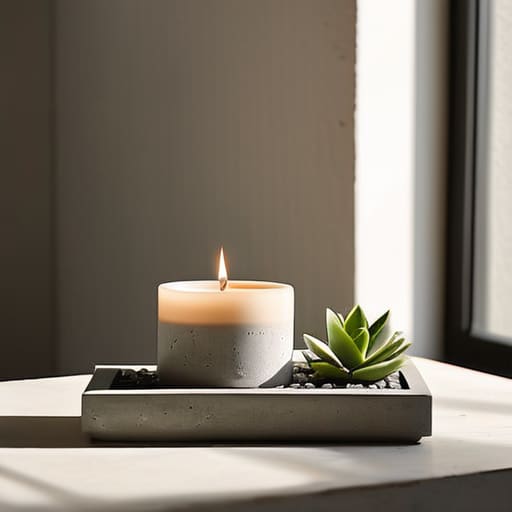
Let’s be real: most DIY tutorials make home decor look like a high-budget Pinterest fever dream that requires a studio apartment and a professional-grade workshop to pull off. I used to stare at those perfectly curated minimalist shelves and think there was no way I could replicate that vibe without spending a fortune on designer pieces. But after a few messy attempts in my own kitchen, I realized that most of those expensive, industrial-looking accents can actually be made with a bag of quick-set mix and a little bit of patience. If you’ve been looking for some low-stress concrete craft ideas to elevate your space without breaking the bank, you’re in the right place.
I’m stripping away the gatekeeping and showing you exactly how to work with this medium without the usual headaches. I’ve narrowed it down to five specific projects that are actually doable for anyone, even if your only “tool” is a repurposed yogurt container and some grit. We’re going to cover everything from functional desk organizers to those trendy sculptural pieces you see in boutiques, focusing on repeatable systems that ensure your first try doesn’t end up in the trash. Let’s get into it.
Table of Contents
Minimalist Desk Trays
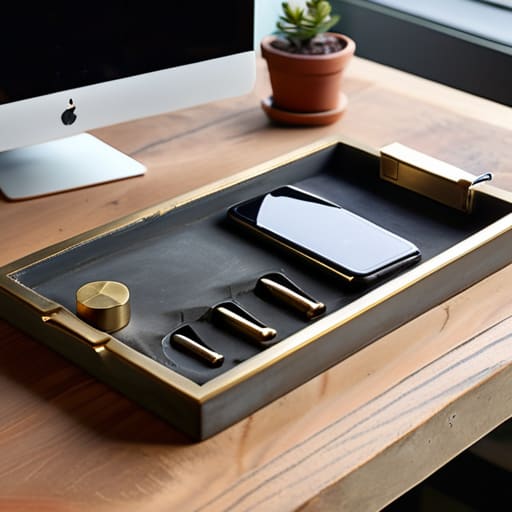
If your workspace looks like a chaotic graveyard of paperclips and charging cables, you need a concrete catch-all tray. I started making these because I was tired of losing my keys and SD cards every single morning. The beauty of concrete is that it’s heavy enough to feel expensive without actually costing you a fortune, and it adds that perfect industrial vibe to a desk.
Brutalist Plant Pots
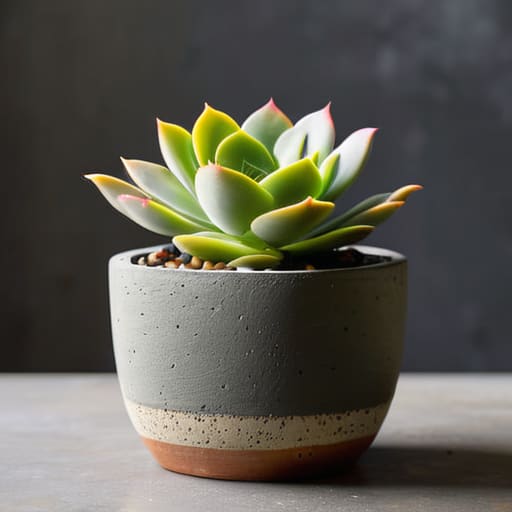
There is something so satisfying about the contrast between a soft, leafy succulent and a raw, gray concrete pot. I love making these because they are almost impossible to mess up, even if your mixing skills are questionable. You don’t need to be an artist; you just need a sturdy container to act as your mold and a bit of grit.
Geometric Candle Holders
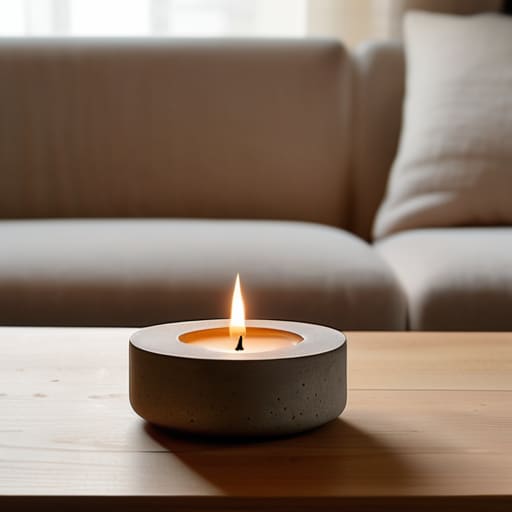
Scented candles are my go-to for making a space feel less like a “work zone” and more like a home, but the glass jars can get repetitive. Making your own concrete holders lets you play with shapes that actually fit your aesthetic. I like to go for low, wide cylinders that feel grounded and intentional on a coffee table or a bookshelf.
Textured Coasters
Coasters are the ultimate “low stakes” entry point into concrete DIY. If you totally botch a batch, you haven’t wasted much material, and it’s a great way to practice your mixing ratios. I use these mostly to protect my thrifted wooden coffee table from the inevitable condensation of a cold drink during a late-night editing session.
Abstract Incense Burners
If you’re into aromatherapy or just like the ritual of lighting something at the end of the day, a concrete incense burner is a total game changer. These are small, easy to store, and they add a tiny pop of architectural interest to a bedside table. I personally love the “blob” aesthetic—don’t worry about perfect symmetry; the imperfections are what make them look handmade.
The Bottom Line on Concrete Projects
Don’t aim for perfection on your first try; concrete is unpredictable, and those little imperfections are usually what give the piece its character.
Invest in a decent mold or a sturdy container early on—it’s much easier to work with a solid shape than to try and fix a structural mess later.
Focus on the utility first. If it looks cool but doesn’t actually hold your pens or your keys, it’s just more clutter in your space.
Don't Overthink the Mess
At the end of the day, whether you’re casting a tiny succulent planter or going all-in on a brutalist coffee table, the goal isn’t perfection. It’s about taking these raw, industrial materials and turning them into something that actually fits your vibe and serves a purpose in your space. We’ve covered everything from simple desk organizers to more ambitious decor pieces, and the common thread is that you don’t need a professional studio to get it done. Just grab your bags of mix, find some old containers to repurpose, and remember that a few air bubbles or slight imperfections are usually what give the piece its character. It’s all about building systems for your creativity without letting the fear of a messy kitchen stop you.
If you’re feeling hesitant, just start with something small—maybe a single candle holder or a tray for your keys. The beauty of working with concrete is that it’s incredibly forgiving, and even if your first attempt looks a little wonky, it’s still a functional win. Adulthood is chaotic enough as it is; your hobbies shouldn’t feel like another high-stakes exam. Use these projects as a way to decompress and create something tangible with your own hands. Once you see that first dried piece sitting on your shelf, you’ll realize that making your own decor isn’t just easier than buying it—it’s way more satisfying.
Frequently Asked Questions
Do I really need a professional mold, or can I just use old Tupperware and yogurt containers?
Honestly? You absolutely do not need professional molds. I’ve spent way too much money on “specialty” gear only to realize my kitchen drawer is a goldmine. Old Tupperware, yogurt cups, or even sturdy cardboard boxes work perfectly. Just make sure they’re smooth so the concrete doesn’t snag when you’re demolding. If you’re worried about ruining your good Tupperware, just line it with a bit of cooking spray or petroleum jelly first.
How do I stop my concrete projects from cracking or looking super dusty once they're dry?
Honestly, the dust and cracking thing is the biggest vibe killer when you’re starting out. To stop the cracking, don’t rush the drying—if it dries too fast, it’ll split. Keep it out of direct sunlight and let it cure slowly. For that weird, chalky dust? You just need to seal it. Grab a matte concrete sealer; it kills the dust and gives it a finished look without making it look like cheap plastic.
Is it actually worth buying a bag of quick-set concrete, or should I just stick to the standard stuff from the hardware store?
Honestly, if you’re just making small coasters or a tiny planter, stick to the standard stuff. It’s cheaper, and you can take your time with the mixing. But if you’re working on something larger or you’re someone who gets easily overwhelmed by a messy workspace, grab the quick-set. It cuts down the “emergency” feeling of a project running dry before you’ve even finished smoothing the edges. It’s a small convenience fee for less stress.