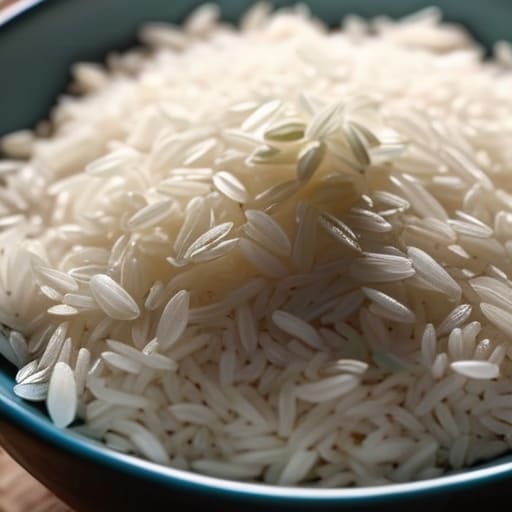
I used to think I needed one of those $150 high-tech induction cookers just to avoid turning my dinner into a gummy, starchy disaster. Honestly, the sheer amount of gatekeeping around something as basic as a grain of rice is exhausting. I spent way too many nights staring at a pot of mushy, overcooked sadness, wondering why every “expert” tutorial made it sound like I needed a chemistry degree just to get through a Tuesday night meal prep. If you’ve been searching for how to cook rice perfectly only to end up with a sticky mess that ruins your entire vibe, I promise you, it isn’t your fault—it’s just a lack of a solid system.
I’m not here to sell you on fancy gadgets or complicated culinary techniques that take an hour to prep. Instead, I’m stripping everything back to the actual, unpolished steps that work every single time, regardless of what equipment you have in your kitchen. I’m going to give you the precise, repeatable method I use to ensure every batch is fluffy, separate, and totally reliable. We’re cutting through the noise to give you a no-nonsense workflow that actually sticks.
Table of Contents
- Stop the Kitchen Chaos How to Cook Rice Perfectly Every Time
- The Rinsing Ritual Why Rinsing White Rice Changes Everything
- Mastering the Math Finding Your Ideal Rice to Water Ratio
- No More Mush Real Systems for Avoiding Mushy Rice
- Pot or Machine Best Rice Cooker Settings and Steaming Rice Tips
- Small Tweaks for Big Wins: My Pro-Tips for the Perfect Batch
- The Cheat Sheet for Better Rice
- The Bottom Line on Perfect Grains
- Frequently Asked Questions
Stop the Kitchen Chaos How to Cook Rice Perfectly Every Time
First things first: we need to talk about the prep work, because most people skip the most important part. If you’re just dumping dry grains into a pot, you’re basically asking for a gummy mess. I’ve learned the hard way that rinsing white rice until the water runs clear is non-negotiable. It gets rid of that excess surface starch that turns your dinner into a bowl of paste. Once you’ve rinsed it, let it drain well in a fine-mesh strainer. This small, five-minute step is the difference between a fluffy grain and a texture nightmare.
Once the prep is out of the way, it all comes down to the math. Forget those vague “one cup to two cups” rules you see in random recipes; you need a consistent rice to water ratio that actually works for your specific brand. I always use a standard 1:1.5 ratio for long-grain white rice when cooking rice in a pot. Keep the heat low, don’t peek under the lid, and let the residual heat do the heavy lifting. Consistency is everything when you’re trying to build a system that works every single time.
The Rinsing Ritual Why Rinsing White Rice Changes Everything
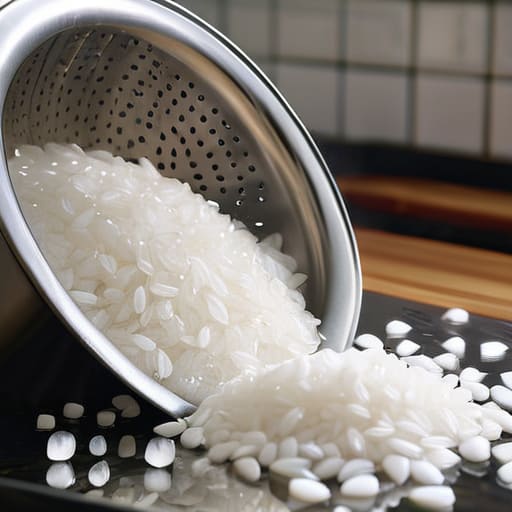
If you’ve ever ended up with a bowl of sticky, gummy clumps that look more like paste than actual grains, I promise you, it isn’t your fault—it’s just the starch. Most people skip this step because it feels like an extra chore, but rinsing white rice is the single most important thing you can do to fix your texture. When rice is packaged, it’s coated in a fine, powdery surface starch. If you don’t wash that off, that starch turns into a literal glue the moment it hits the boiling water.
I used to be lazy about this too, but once I started using a fine-mesh strainer, everything changed. You aren’t looking for perfection here; you just want to run cold water over the grains until the water running out the bottom goes from milky and opaque to mostly clear. It only takes about sixty seconds, but it’s the ultimate hack for avoiding mushy rice and ensuring every single grain stays distinct and fluffy. Think of it as prepping your canvas before you start painting—it’s just good groundwork.
Mastering the Math Finding Your Ideal Rice to Water Ratio
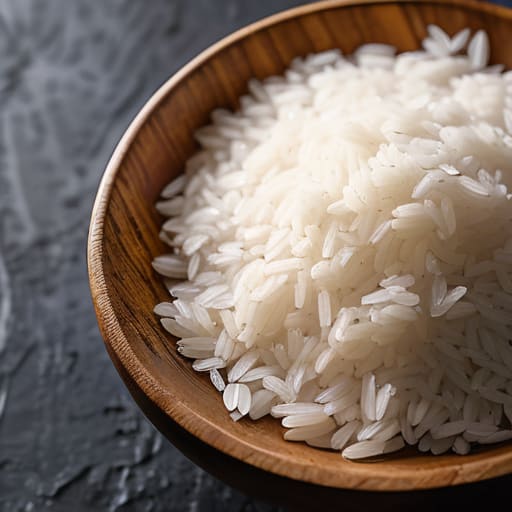
Look, I know the temptation to just “eyeball it” is real, especially when you’re hungry and just want to get dinner on the table. But if you want to stop the cycle of either eating crunchy pebbles or a bowl of glue, you have to respect the math. The golden rule for most standard long-grain white rice is a 1:2 ratio—one cup of rice to two cups of water. However, if you’re working with jasmine or basmati, you might want to lean slightly lighter on the water to keep those grains distinct and fragrant.
The real trick to avoiding mushy rice isn’t just the amount of liquid, but how you handle the heat. Once your water hits a boil, drop it to the lowest setting possible and put a tight lid on it. Don’t peek. Every time you lift that lid to check on things, you’re letting out the steam that’s actually doing the work. If you’re cooking rice in a pot rather than using a machine, patience is your best friend; let it sit, off the heat, for at least ten minutes before you even think about touching a fork.
No More Mush Real Systems for Avoiding Mushy Rice
If you’ve ever pulled a pot of gummy, overcooked grains from the stove, you know the frustration. It’s not just a minor fail; it’s a wasted meal. Most of the time, the culprit isn’t your stove, it’s the heat management. When you’re cooking rice in a pot, the biggest mistake is leaving the lid off too long or cranking the heat to “high” because you’re in a rush. That extra heat creates uneven evaporation, leaving the bottom scorched and the top a soggy mess.
To fix this, you need to respect the “off” phase. Once the water is absorbed and the grain is tender, turn off the heat entirely but do not touch the lid. I rely on a strict ten-minute resting period where the pot sits undisturbed. This allows the residual steam to redistribute evenly through the grains, which is one of my favorite steaming rice tips for achieving that distinct, fluffy texture. If you skip this part, you’re basically asking for mush. Let the physics do the work for you.
Pot or Machine Best Rice Cooker Settings and Steaming Rice Tips
If you’re like me and value efficiency over everything, a rice cooker is your best friend—but only if you actually know how to use it. Most people just hit “start” and hope for the best, but if you want to master the best rice cooker settings, you need to treat it like a system. Once you’ve mastered the rinsing white rice step, let the machine do the heavy lifting. If your cooker has a “Quick Cook” mode, skip it; it usually results in unevenly cooked grains. Stick to the standard cycle to allow the steam to circulate properly.
Now, if you’re strictly cooking rice in a pot because you don’t own a machine, the stakes are a little higher. The biggest mistake I see is lifting the lid too early to “check” on it. Every time you peek, you lose precious heat and pressure. Instead, once the water is absorbed, turn off the heat and let it sit, lid on, for at least ten minutes. This final resting period is one of my favorite steaming rice tips because it allows the moisture to redistribute, ensuring you’re avoiding mushy rice and getting that perfect, fluffy texture every single time.
Small Tweaks for Big Wins: My Pro-Tips for the Perfect Batch
- Don’t touch the lid. I know it’s tempting to peek when you’re hungry, but every time you lift that lid, you’re letting out the steam that’s actually doing the work. Just leave it alone and let the system do its thing.
- The “Resting Period” is non-negotiable. Once the heat is off, let the pot sit covered for at least 10 minutes. This allows the moisture to redistribute so you don’t end up with a pot of gummy rice at the bottom and dry grains at the top.
- Use a fork, not a spoon. When you’re finally ready to fluff the rice, use a fork to gently lift and separate the grains. A heavy spoon tends to smash the grains together, which is a fast track to a mushy mess.
- Upgrade your water. If your tap water tastes like chlorine, your rice is going to taste like a swimming pool. Use filtered water if you can; it’s a tiny extra step that makes a massive difference in the final flavor.
- Season as you go. If you’re making something savory, don’t just rely on salt at the end. Throw a tiny bit of salt or even a drop of sesame oil into the water before you start cooking to infuse the flavor deep into the grain.
The Cheat Sheet for Better Rice
Stop skipping the rinse; washing your rice until the water runs clear is the single easiest way to prevent that sticky, gluey mess.
Pick your ratio and stick to it—whether you’re using a pot or a machine, consistency is what stops the guesswork.
Let it rest after the heat is off; giving the rice five minutes to steam in its own residual heat is the secret to that perfect, fluffy texture.
The Bottom Line on Perfect Grains
At the end of the day, cooking great rice isn’t about some secret culinary magic or owning a $300 smart cooker; it’s just about following a few reliable systems. If you remember to rinse that starch away until the water runs clear, nail your water-to-rice ratio, and actually give the pot a few minutes to rest after the heat is off, you’ve already won half the battle. Stop treating it like a guessing game and start treating it like a repeatable process. Once you stop winging it and start using these specific steps, you’ll realize that those mushy, gummy clumps were entirely preventable.
I know that when you’re staring at a pile of mail or a chaotic work schedule, a single pot of rice might feel like the least important thing in your world. But I also know that small, consistent wins—like a perfectly fluffy bowl of jasmine rice—can actually change the entire energy of your evening. Adulthood is heavy enough as it is; don’t let your dinner be another source of unnecessary friction. Master these little systems now, and you’ll find that everything else starts to feel a bit more manageable. You’ve got this.
Frequently Asked Questions
Can I use the same water-to-rice ratio for brown rice, or do I need a whole new system for that?
Short answer: No, don’t use the same ratio. If you try to cook brown rice with the white rice math, you’re going to end up with something crunchy and unpleasant. Brown rice has that tough outer bran layer, so it needs way more hydration and time to actually soften up. I usually bump my water up by about an extra half-cup per grain and let it simmer longer. It’s a different rhythm, but worth the wait.
What’s the deal with that "resting" period—does it actually matter, or is it just something people say?
It’s not just some culinary myth; it’s actually a crucial part of the system. When the heat turns off, the rice is still finishing its cooking process via residual steam. If you go straight for the scoop, you’ll likely end up with unevenly cooked grains or a mushy mess at the bottom. Let it sit, lid on, for about 10 minutes. It allows the moisture to redistribute so every grain stays fluffy and separate.
If I accidentally make a batch that's too sticky, is there a way to save it for something else instead of just tossing it?
Don’t toss it. Seriously. If you’ve ended up with a bowl of sticky, clumped-together rice, stop trying to eat it as a side dish and pivot. That texture is actually a goldmine for fried rice—the starch helps it fry up instead of turning into a gummy mess. You can also mash it into congee (savory rice porridge) or use it as a base for crispy rice salads. It’s not a failure; it’s just a change in plans.