
I used to think that cutting back meant buying those $14 “superfood” protein bars that taste like sweetened chalk, or spending my entire Sunday meal-prepping complex, sugar-free recipes that felt more like a chore than a lifestyle. Honestly, the wellness industry makes it feel like you need a PhD and a massive budget just to figure out how to reduce sugar in your diet without losing your mind. It’s exhausting, and frankly, it’s gatekeeping. You don’t need a complete pantry purge or a radical lifestyle overhaul to see a difference in your energy levels; you just need a better system.
I’m not here to sell you on a detox tea or some impossible standard of perfection. Instead, I want to give you the actual, unpolished steps I used to stabilize my own energy and stop the mid-afternoon crashes. We’re going to look at small, repeatable swaps—the kind that actually fit into a busy freelance schedule—and how to spot the hidden sugar lurking in your “healthy” snacks. No hype, no expensive supplements, just practical systems to make the transition feel less like an emergency and more like a habit.
Table of Contents
Understanding How to Reduce Sugar in Your Diet
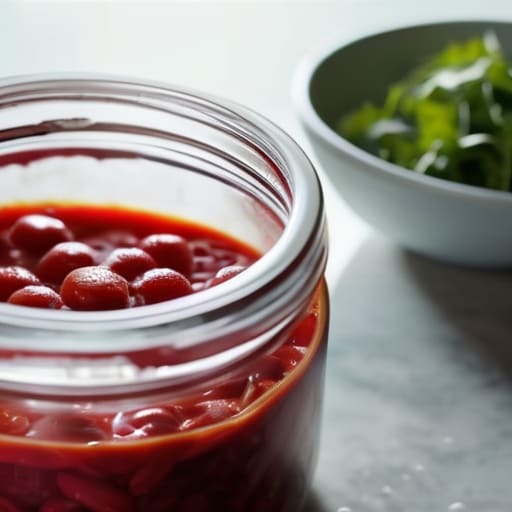
Before we get into the actual “how-to,” we need to address the elephant in the room: sugar isn’t just that obvious white powder in your pantry. It’s sneaky. Most of the trouble comes from hidden sugars in processed foods—the kind tucked away in your “healthy” yogurt, jarred pasta sauce, or even your favorite salad dressing. If you aren’t actively looking for them, they’ll bypass your willpower every single time.
To actually make progress, you have to stop guessing and start investigating. This means learning how to read nutrition labels for sugar like a pro. I used to think a product was safe just because the front of the box looked clean and minimalist, but once I started checking the ingredient list for things like maltodextrin or high fructose corn syrup, my entire perspective shifted. It’s not about being perfect or cutting everything out overnight; it’s about developing the awareness to see what’s actually being added to your plate. Once you spot the patterns, the chaos starts to settle, and you can actually start making intentional choices instead of just reacting to cravings.
Key Things to Know
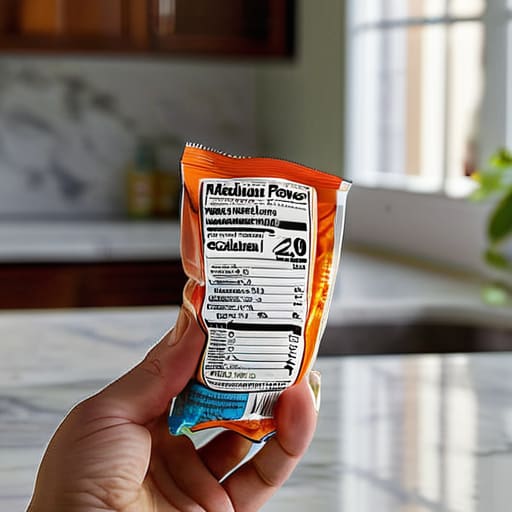
Before you start swapping out your snacks, you need to realize that sugar isn’t just the stuff you sprinkle on your oatmeal. The real culprits are the hidden sugars in processed foods that hide behind fancy names like maltodextrin or high fructose corn syrup. I spent way too much time thinking I was being “healthy” by grabbing flavored yogurts or granola bars, only to realize I was basically eating dessert for breakfast. Learning how to read nutrition labels for sugar is probably the single most important skill you can develop here; if you can’t decode the ingredient list, you’re just playing a guessing game with your energy levels.
Another thing to keep in mind is that your body is going to fight you at first. When you start cutting back, you’ll likely deal with some intense urges for a quick fix. This is where reducing sugar cravings becomes a game of strategy rather than just willpower. Instead of white-knuckling it, I’ve found that leaning into natural sugar alternatives—like whole fruit or even a bit of dark chocolate—makes the transition feel less like a punishment and more like a manageable shift in your daily routine.
Practical Tips and Steps

Instead of trying to quit everything at once, I like to focus on one small swap at a time. Start by mastering how to read nutrition labels for sugar; most people are shocked to see how much sweetener is packed into “healthy” items like yogurt or granola bars. Once you spot those hidden sugars in processed foods, you can start looking for natural sugar alternatives like berries or a bit of real honey to satisfy that sweet tooth without the massive crash.
I also swear by the “addition method” rather than just subtraction. If you’re feeling a massive energy slump, don’t just reach for a candy bar—try adding more protein or healthy fats to your meal. This is one of my favorite blood sugar management tips because it keeps you feeling full and actually helps with reducing sugar cravings in the long run. It’s much easier to stay consistent when you aren’t constantly fighting your own biology. Just build a system that works for your actual schedule, not some idealized version of a diet.
Common Mistakes to Avoid
The biggest mistake I see people make is going scorched earth. You wake up on Monday, swear off everything sweet, and try to live on kale and water. By Wednesday, you’re staring at a bag of gummy bears like they’re the holy grail. This “all-or-nothing” mentality is a recipe for burnout. Instead of a total purge, focus on reducing sugar cravings by making gradual, sustainable swaps. If you try to do too much at once, your brain is going to rebel, and you’ll end up right back where you started.
Another trap is assuming that if a food is labeled “healthy” or “organic,” it’s automatically safe. This is where the real damage happens. There are so many hidden sugars in processed foods—like flavored yogurts, granola bars, and even some pasta sauces—that you wouldn’t expect. You really have to learn how to read nutrition labels for sugar rather than just glancing at the front of the box. Don’t let clever marketing trick you into thinking a “fruit smoothie” is anything more than a liquid sugar bomb.
Final Thoughts
Look, I’m not here to tell you that you need to live on kale smoothies and steamed chicken for the rest of your life. That’s not a system; that’s a recipe for burnout. The goal here isn’t perfection—it’s just about building enough awareness so that you aren’t accidentally sabotaging yourself. Once you get the hang of how to read nutrition labels for sugar, you’ll start seeing that “healthy” granola bar is basically just a candy bar in disguise. It takes a second to adjust, but once you stop the constant spikes and crashes, you’ll actually feel the benefits of a low sugar lifestyle in your energy levels throughout the day.
Don’t try to overhaul your entire pantry overnight. Just pick one thing—maybe it’s swapping your afternoon soda for something else or being more mindful of the hidden sugars in processed foods during your grocery runs. Small, repeatable wins are what actually stick. If you slip up and eat a box of cookies, don’t throw the whole week away. Just reset and keep moving. That’s the only way to make this actually sustainable.
My Low-Friction Strategy for Cutting Sugar
- Stop drinking your sugar. It sounds harsh, but liquid calories from sodas, sweetened lattes, and even “healthy” fruit juices hit your bloodstream like a freight train and leave you crashing an hour later. Switch to sparkling water with a squeeze of lime or plain iced tea; it’s a much easier system to maintain than trying to quit sweets cold turkey.
- Become a label detective, but don’t get bogged down in the math. You don’t need to calculate grams every time you shop, just look for the “hidden” culprits like high fructose corn syrup, maltodextrin, or cane sugar in things that aren’t even desserts—like pasta sauce or salad dressings. If sugar is in the first three ingredients, put it back.
- Prioritize protein and healthy fats at every single meal. When I’m running low on energy, I used to reach for a granola bar, which is basically just a candy bar in disguise. Now, I make sure I have eggs, avocado, or Greek yogurt first. If you’re actually satiated, those sugar cravings don’t have nearly as much power over you.
- Audit your “convenience” foods. Most of the stuff we buy to save time—like pre-packaged snack packs or flavored yogurts—is loaded with sugar to make them shelf-stable and addictive. I’ve started buying the plain versions (like plain yogurt or raw nuts) and adding my own fruit. It takes an extra thirty seconds, but it keeps the sugar spikes away.
- Don’t aim for perfection; aim for a better baseline. If you try to go zero-sugar overnight, you’re going to burn out by Wednesday. Instead of banning everything, just focus on one swap a day. Once that feels like a normal part of your routine, add another. It’s about building a sustainable habit, not a temporary restriction.
The TL;DR Version
Stop aiming for perfection; focus on small, sustainable swaps like trading soda for sparkling water rather than trying to cut everything out overnight.
Audit your pantry and labels religiously, because most of the “hidden” sugar is hiding in the stuff you think is healthy, like yogurt or granola.
Build a system of preparation, like meal prepping or keeping easy snacks on hand, so you aren’t making impulsive, high-sugar decisions when you’re hungry and tired.
The Long Game
At the end of the day, cutting back on sugar isn’t about some massive, overnight transformation or punishing yourself with a restrictive diet that leaves you miserable by Tuesday. It’s really just about the small, tactical shifts we talked about: reading those sneaky nutrition labels, swapping out the sugary morning ritual for something more stable, and being mindful of the hidden stuff in processed snacks. Remember, the goal isn’t perfection; it’s about building a more sustainable system for how you fuel your body. If you slip up and grab a dessert at a friend’s house, don’t throw the whole plan out the window. Just get back to your baseline at the next meal and keep moving.
I know that changing how you eat can feel like a lot of mental friction, especially when sugar is literally engineered to be addictive. But I promise you, once you move past that initial adjustment period, the steady energy levels and the lack of those mid-afternoon crashes are completely worth the effort. You aren’t depriving yourself of joy; you’re actually gaining more control over how you feel every single day. Think of this as a small upgrade to your internal operating system. Once you get these habits running in the background, life just feels a little bit smoother.
Frequently Asked Questions
How do I deal with those intense sugar cravings when they hit in the middle of the afternoon?
The afternoon slump is real, and usually, that craving is just your brain screaming for a quick dopamine hit. Instead of reaching for the candy jar, try a “bridge snack.” I always keep almonds or a Greek yogurt in my fridge; the protein and fat stabilize your blood sugar so you don’t crash harder later. If you need something sweet, go for berries. It’s about managing the spike, not just fighting the urge.
Are there any specific "healthy" snacks that are actually just hidden sugar bombs I should watch out for?
Honestly, the “health food” aisle is a minefield. I used to grab granola bars and flavored yogurt thinking I was being productive, but most of them are basically dessert in disguise. Watch out for low-fat yogurts (they add sugar to fix the texture), protein bars that read like candy bars, and those “natural” fruit juices. If the label says “organic cane sugar” or “agave,” it’s still a sugar bomb. Stick to whole foods whenever you can.
Do I need to cut out fruit entirely, or is that okay to keep in my diet?
Please, do not cut out fruit. That’s a one-way ticket to a sugar crash and a very grumpy mood. Fruit comes with fiber, which is basically the “buffer” your body needs to process natural sugars without the massive insulin spike you get from a candy bar. Think of it as a slow-release energy source rather than a sudden hit. Just stick to whole fruit instead of juices, and you’re golden.