I used to think that “meal prepping” meant spending my entire Sunday afternoon hunched over a kitchen island, staring at a mountain of Tupperware while feeling like I was losing my only day of rest. We’ve all been there: it’s 7:00 PM on a Tuesday, you’re exhausted from work, and suddenly the only thing standing between you and a mental breakdown is the realization that you have nothing edible in the fridge. Instead of ordering expensive, salty takeout, I realized I needed a system that actually worked for a real life—not some aesthetic, Pinterest-perfect fantasy. Finding sustainable healthy meal prep ideas shouldn’t feel like a second job; it should be about reducing the friction of your daily routine so you can actually breathe.
In this post, I’m stripping away the gatekeeping and sharing the five specific components that changed everything for me. I’m not going to give you complicated, five-star recipes that require a culinary degree; instead, I’m walking you through five versatile building blocks that make assembly effortless. By the time you finish reading, you’ll have a repeatable framework to help you stop treating every weeknight like a crisis and start reclaiming your time.
Table of Contents
The "Base Component" Method
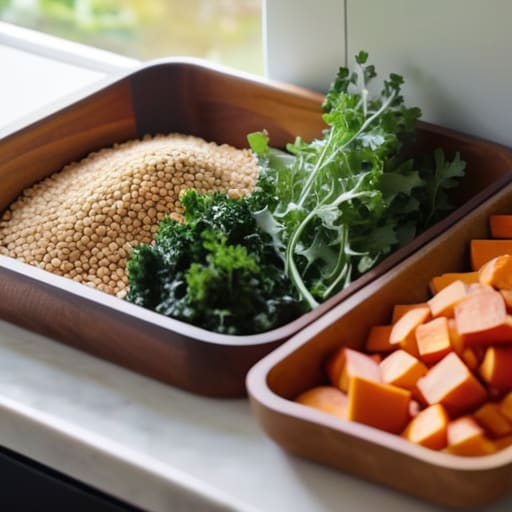
Instead of trying to build five identical, depressing Tupperware meals, just prep your foundational building blocks. I’m talking about one big batch of a grain like quinoa or farro, a tray of roasted sweet potatoes, and a container of washed greens. When you have these ready to go, you aren’t “cooking” on a Tuesday night; you’re just assembling.
One-Pan Roasted Everything
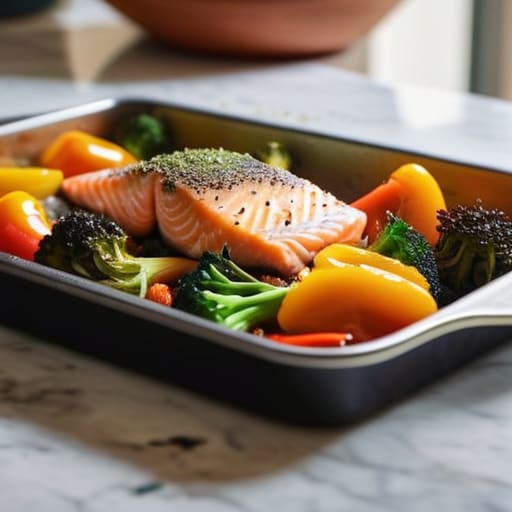
If the thought of washing five different pots makes you want to quit adulthood entirely, this is your new best friend. Throwing a protein, some sturdy veggies, and a bit of seasoning onto a single sheet pan is the ultimate low-friction hack. I usually go for salmon or chicken thighs paired with broccoli and bell peppers because they all cook at roughly the same rate.
The Protein Batch-Cook
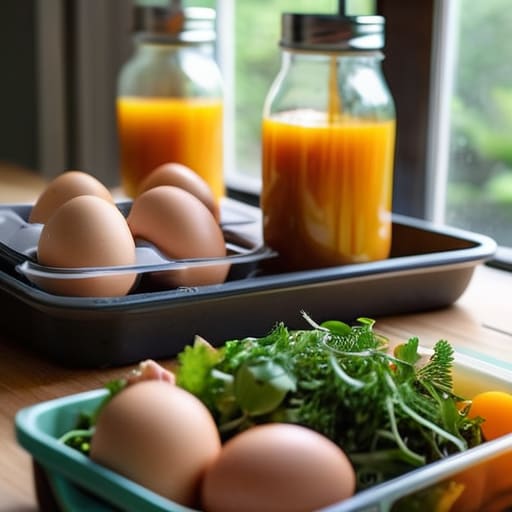
Protein is usually the most expensive and time-consuming part of a meal, so stop making it a daily task. I like to dedicate one afternoon to prepping a massive amount of protein—think a slow cooker batch of shredded chicken or a big tray of hard-boiled eggs. Having these ready to grab means you can add substance to a salad or a wrap without having to actually turn on the stove.
Sauce is the Secret Weapon
The reason most meal preps fail is that they get boring by Wednesday. To prevent the inevitable “food fatigue,” you need to invest in a few high-quality sauces that can completely transform the same base ingredients. I keep a jar of pesto, a spicy tahini dressing, and some good soy sauce in my fridge at all times for this exact reason.
Breakfast on Autopilot
We often spend so much time worrying about lunch and dinner that we completely neglect breakfast, which usually leads to a mid-morning caffeine crash and a frantic search for a pastry. I swear by overnight oats or chia pudding because they are essentially “set it and forget it” systems. You prep them in small mason jars the night before, and they’re ready to grab as you’re heading out the door.
The Bottom Line
Don’t aim for Pinterest perfection; just prep enough to stop the mid-week takeout impulse.
Focus on versatile building blocks—grains, proteins, and greens—rather than rigid, complex recipes.
Invest in good containers early so your fridge stays organized and your food actually stays fresh.
Don't Overcomplicate the Process
At the end of the day, meal prepping isn’t about becoming a gourmet chef or spending your entire Sunday staring at a steaming pot of quinoa. It’s really just about building a safety net for your future, hungrier self. Whether you’re focusing on batch-cooking a versatile protein, prepping a massive tray of roasted veggies, or just getting your grains ready in advance, the goal is the same: reducing the number of decisions you have to make when you’re tired and stressed. If you try to do all five of these things at once, you’ll probably burn out by week two. Just pick one single system that feels manageable for your current schedule and master that first.
I know that looking at a fridge full of empty Tupperware can feel overwhelming, but I promise that the mental clarity you get from knowing lunch is already handled is worth the initial effort. Adulthood is messy, and some weeks your “prep” might just be a bag of pre-washed spinach and some rotisserie chicken, and that is perfectly okay. Don’t let the pursuit of a “perfect” aesthetic get in the way of actually eating well. Focus on the consistency over perfection mindset, and eventually, these small habits will stop feeling like chores and start feeling like just another part of your seamless routine.
Frequently Asked Questions
How do I keep my prepped veggies from getting all mushy and gross by Wednesday?
The “mushy vegetable” struggle is real, and honestly, it’s usually a moisture issue. If you’re washing your veggies right before they go into the containers, you’re basically inviting rot. Dry them completely—use a salad spinner or even just paper towels—before storing. Also, skip the airtight seal if they’re still warm. I usually line my containers with a dry paper towel to soak up excess condensation. It keeps everything crisp until Friday.
Is it actually worth the time to portion everything into individual containers, or can I just keep big batches in the fridge?
Honestly, it depends on your level of decision fatigue. If you’re someone who hits a wall by Wednesday, portioning everything into individual containers is a lifesaver—you just grab, heat, and go. But if you prefer variety, keep the big batches in larger containers and just scoop out what you need. Personally, I do a hybrid: big batches for grains and proteins, but individual portions for things like salads or overnight oats.
What’s the best way to meal prep if I have zero counter space or a tiny kitchen?
If you’re working with a kitchen the size of a closet, stop trying to do everything at once. You can’t have five cutting boards and three bowls out simultaneously. My system? The “One-Board Rule.” Prep everything on a single large board, then clear it before moving to the next ingredient. Also, ditch the bulky containers for stackable glass ones, and prep in stages—chop your veggies while your pasta water is boiling so you aren’t fighting for surface area.