I used to think that “meal prepping” meant spending my entire Sunday in a frantic, tear-filled battle with a mountain of kale and a dull knife, only to end up with a fridge full of soggy, depressing containers. There is this massive, gatekept myth that learning how to prep vegetables requires a professional chef’s setup and three hours of uninterrupted time, but honestly? That’s just a recipe for burnout. I’ve realized that if the system is too complicated, I’m just not going to do it, and I’d much rather eat a mediocre salad than spend my weekend performing kitchen surgery.
I’m not here to give you some aesthetic, Pinterest-perfect tutorial that looks great in a time-lapse but fails in real life. Instead, I want to show you how to build a low-friction system that actually works when you’re tired and hungry on a Tuesday night. I’m going to walk you through the exact, unpolished steps I use to keep my produce fresh and my prep time minimal, focusing on actual efficiency rather than perfection. No fluff, no expensive gadgets—just the real way to get it done.
Table of Contents
- Stop the Chaos Why You Need a System for How to Prep Vegetables
- Ditch the Panic With Efficient Kitchen Prep Methods
- Mastering Knife Skills for Vegetables Without the Stress
- The Real Way to Wash Produce and Start Meal Prep for Beginners
- Proven Vegetable Storage Tips for Keeping Vegetables Fresh Longer
- My Low-Friction Cheat Sheet for Prep Success
- The TL;DR on Keeping Your Kitchen (and Sanity) Intact
- The Bottom Line
- Frequently Asked Questions
Stop the Chaos Why You Need a System for How to Prep Vegetables
The reason most of us fail at eating well isn’t a lack of willpower; it’s a lack of systems. We walk into the kitchen after a long day, see a pile of unwashed, whole produce on the counter, and immediately decide that takeout is the only logical option. That’s the friction I’m talking about. When you don’t have a plan, cooking feels like a massive, multi-step chore instead of just a quick assembly job.
By implementing a few efficient kitchen prep methods, you’re essentially buying yourself time and mental energy later in the week. Instead of facing a mountain of chopping on a Tuesday night, you’re just grabbing a container of pre-cut peppers and tossing them in a pan. It turns “I have nothing to eat” into “I can make this in ten minutes.”
Beyond just saving time, a solid routine is about reducing waste. If you learn the right way to handle your produce—from how to wash produce properly to which containers to use—you stop throwing money in the trash every time a bag of spinach turns into green slime in your crisper drawer. It’s about making your food work for you, not the other way around.
Ditch the Panic With Efficient Kitchen Prep Methods
The biggest mistake I see people make is trying to do everything at once. They buy a mountain of produce and then realize they don’t actually know how to wash produce properly or how to keep it from turning into a science experiment in the crisper drawer. If you want to master efficient kitchen prep methods, you have to stop thinking about it as a massive chore and start seeing it as a series of tiny, manageable wins.
First, let’s talk about your gear. You don’t need a professional knife set, but you do need to work on your basic knife skills for vegetables. If your blade is dull, you’re going to spend twenty minutes struggling with a bell pepper when it should take thirty seconds. Once you get the rhythm down, the process actually becomes kind of meditative.
Finally, don’t skip the post-prep phase. The real secret to keeping vegetables fresh longer is all in your vegetable storage tips. I’ve learned the hard way that throwing a pre-cut bag of chopped kale into a random container is a recipe for waste. Use airtight glass containers, and you’ll actually have food ready to go when you’re exhausted on a Tuesday night.
Mastering Knife Skills for Vegetables Without the Stress
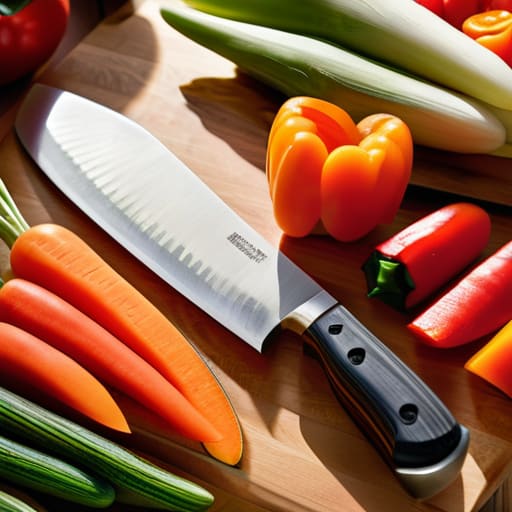
Look, I used to be terrified of my chef’s knife. I’d approach a bell pepper like it was a live bomb, which is exactly how you end up with uneven chunks and a frantic, messy cutting board. But here’s the thing: mastering knife skills for vegetables isn’t about being a Michelin-star pro; it’s about safety and consistency. If your carrots are all different sizes, they’ll cook at different rates, and you’ll end up with some mushy bits and some raw ones. That’s just more friction you don’t need.
Start by investing in a decent, sharp blade and—this is non-negotiable—a stable cutting board. If your board slides around, put a damp paper towel underneath it to lock it in place. When you’re practicing meal prep for beginners, focus on the “claw grip.” Curl your fingertips inward like a claw so your knuckles act as a guide for the blade. This keeps your fingertips away from the edge and lets you work much faster without the constant anxiety of a slip-up. Once you get the rhythm down, the whole process feels less like a chore and more like a mindless, satisfying system.
The Real Way to Wash Produce and Start Meal Prep for Beginners
Look, I used to think washing my veggies meant a quick rinse under the tap and calling it a day, but that’s a one-way ticket to premature wilting. If you want to actually master meal prep for beginners, you have to treat cleaning as the foundation. I like to use a large colander in the sink for a deep soak if things look particularly dusty or sandy, but the real trick is drying them thoroughly before they ever touch a container. If you pack damp greens into a Tupperware, you aren’t prepping; you’re just making a compost bin for next week.
Once they’re dry, it’s all about the transition to storage. This is where most people fail. Instead of just tossing everything in the crisper drawer and hoping for the best, I use a few specific vegetable storage tips to keep things from turning into a slimy mess. For example, wrapping herbs in a damp paper towel or putting leafy greens in containers with a dry paper towel layer works wonders for keeping vegetables fresh longer. It’s a small, extra step, but it’s the difference between a productive Sunday and a frustrated Monday morning.
Proven Vegetable Storage Tips for Keeping Vegetables Fresh Longer
Once you’ve mastered your knife skills for vegetables and finished the actual chopping, the job isn’t done. The biggest mistake I see people make—and I’ve definitely been guilty of this—is just tossing everything into random Tupperware and hoping for the best. If you want to actually succeed with meal prep for beginners, you have to treat storage like a science. Moisture is usually the enemy here. If you pack your chopped peppers or cucumbers into a container while they’re still damp from how to wash produce, they’re going to turn into a slimy mess by Tuesday.
My go-to system for keeping vegetables fresh longer is all about controlled environments. For leafy greens, I use the paper towel trick: tuck a dry paper towel inside the container to soak up excess humidity. For harder veggies like carrots or radishes, try storing them submerged in a jar of water in the fridge; it keeps them incredibly crisp. These little vegetable storage tips might seem extra, but they are the difference between a seamless week of eating and having to scrape wilted, sad scraps into the trash.
My Low-Friction Cheat Sheet for Prep Success
- Group your prep by “use case” rather than just vegetable type. Instead of chopping a whole bag of carrots, chop everything you need for a specific stir-fry or sheet pan meal at once so you can just grab a container and go.
- Invest in decent-sized glass containers, not just random Tupperware. Glass stays cleaner, doesn’t hold onto onion smells, and lets you see exactly what you have in the fridge so nothing gets lost in the “vegetable graveyard” at the back of the shelf.
- Don’t feel obligated to chop everything into tiny pieces. If you’re making a roasted veggie medley, keep the chunks larger. It saves you time upfront and actually improves the texture once they hit the oven.
- Use paper towels like they’re your best friend. When storing prepped greens or chopped veggies, tuck a dry paper towel into the container to absorb excess moisture—it’s the easiest way to stop your hard work from turning into mush by Tuesday.
- Keep a “prep station” mindset. Clear your workspace completely before you start, get all your tools out, and keep a damp cloth nearby. If you try to prep in a cluttered kitchen, you’ll end up feeling overwhelmed before you even pick up a knife.
The TL;DR on Keeping Your Kitchen (and Sanity) Intact
Stop overcomplicating the process; you don’t need a professional chef’s setup, just a consistent routine of washing, chopping, and storing as soon as you get home.
Invest a little time in your knife skills and storage systems now so you aren’t wasting money on wilted produce or fighting with a dull blade when you’re actually hungry.
Treat vegetable prep as a low-stakes system rather than a weekly chore to prevent that mid-week “what am I even eating?” panic.
The Bottom Line
Look, at the end of the day, prepping your veggies isn’t about becoming a professional chef or spending your entire Sunday hovering over a cutting board. It’s about the small, repetitive wins—knowing your knife is sharp, having your produce washed and ready, and actually understanding how to store a bunch of kale so it doesn’t turn into a science experiment in your crisper drawer. When you stop treating every meal like a brand-new logistical hurdle and start relying on these simple, repeatable systems, you reclaim so much mental energy. It’s the difference between staring blankly at a fridge at 7:00 PM and having a ready-to-go toolkit that makes cooking feel like a breeze rather than a chore.
My biggest piece of advice? Don’t feel like you have to implement this entire system overnight. If you only have the energy to chop one onion or wash one bag of spinach this week, that is still a win. Adulthood is heavy enough as it is; your kitchen routine should be the thing that lightens the load, not adds to the chaos. Start small, find the rhythm that works for your specific lifestyle, and remember that consistency beats perfection every single time. You’ve got this.
Frequently Asked Questions
Do I really need to wash everything before I chop it, or will that just make my prepped veggies mushy in the fridge?
Honestly, it’s a valid fear because moisture is the enemy of freshness. Here’s my system: wash everything before you chop, but the secret is in the drying. If you put damp, chopped veggies in a container, they’ll turn into mush by Tuesday. Use a salad spinner or pat them bone-dry with paper towels first. Once they’re dry and prepped, toss them in airtight containers with a little extra paper towel to soak up any stray moisture.
How long can I actually keep chopped onions or garlic in a container before they start smelling like a crime scene?
Look, I get it—the smell of old onion in a fridge is a literal nightmare. If you’ve already chopped them, aim to use them within 3 to 5 days. Garlic is a bit more resilient, but I wouldn’t push it past a week. Pro tip: use airtight glass containers instead of plastic. Plastic is porous and will absorb that scent forever, making your entire fridge smell like a crime scene even after the onions are gone.
Is it worth buying those pre-cut containers, or should I just stick to basic Tupperware to save money?
Honestly? Stick to the basic Tupperware. Those specialized pre-cut containers are usually just a way to charge you a premium for a specific shape, and they take up way more space in your cabinet. If you’ve already mastered your prep and storage systems, a standard set of airtight glass or BPA-free plastic containers works just fine. Save your money for better produce—the quality of the veggies matters way more than the shape of the box.