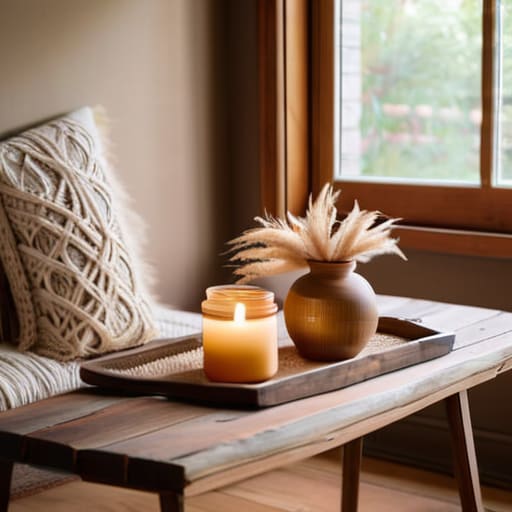
I used to think that having a “Pinterest-worthy” apartment meant having a massive budget and a professional interior designer on speed dial. Every time I scrolled through those perfectly curated feeds, I felt this weird pressure to replace everything I owned just to keep up with the latest aesthetic. But honestly? That approach is just a recipe for financial burnout. I’ve realized that most of the time, we don’t actually need more stuff; we just need better ways to style what we already have. Finding sustainable diy home decor ideas isn’t about chasing a fleeting trend—it’s about creating a space that actually feels like yours without breaking the bank or cluttering your mental headspace.
In this post, I’m stripping away the gatekeeping and sharing five specific projects that actually deliver results. I’m not talking about complicated crafts that require a workshop and three days of your life; I’m talking about low-effort, high-impact systems you can tackle on a Tuesday night. From repurposing old tech to mastering the art of intentional layering, these five items will help you transform your living space into something that feels calmly efficient and uniquely personal. Let’s get into it.
Table of Contents
The Thrifted Frame Flip
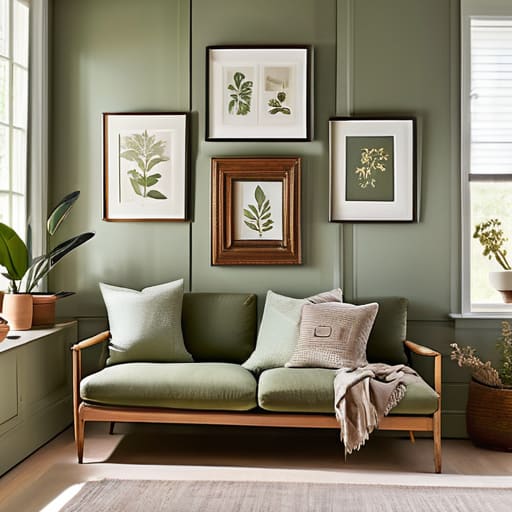
I spend way too much time in local thrift stores, and if there’s one thing I’ve learned, it’s that you can find incredible, high-quality wood frames for literally pennies on the dollar. Most people pass them by because the art inside is dated or the finish is a bit tacky, but that’s where the opportunity is. Instead of buying a mass-produced set from a big-box retailer, grab a handful of mismatched vintage frames and give them a uniform look with a single can of matte black or sage green spray paint.
Elevated Lighting with Contact Paper
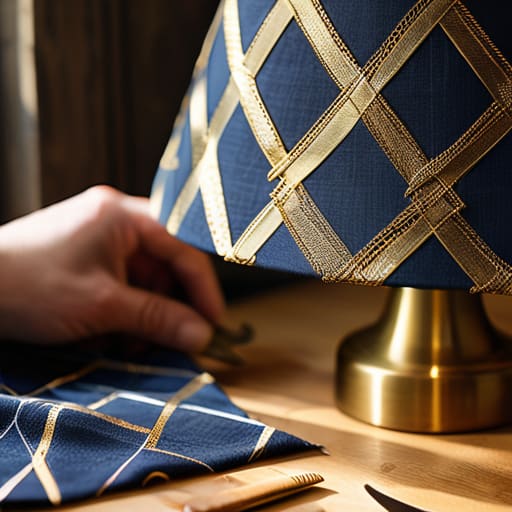
We’ve all been there: you have a lamp that works perfectly fine, but the shade is a boring, generic beige that just kills the vibe of the room. Instead of tossing it, I like to use matte contact paper or even textured fabric scraps to give it a complete overhaul. It sounds a little chaotic, but if you take your time with a craft knife, you can create patterns that look like they cost a fortune at a boutique lighting shop.
The "Found Object" Tray System
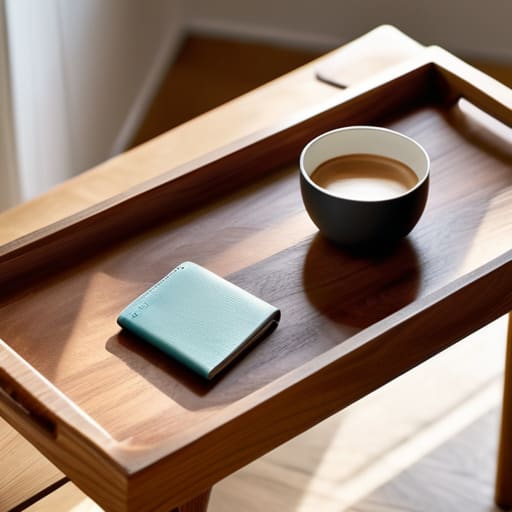
One of my biggest pet peeves is “surface clutter”—those random bits of mail, keys, and coffee mugs that slowly colonize your coffee table. To fix this, I started making my own styling trays using things I already had lying around. A vintage wooden cutting board from a thrift store or even a heavy ceramic plate can serve as a “landing zone” for your daily essentials.
Upcycled Glassware as Vases
Please, do not throw away those interesting glass bottles or even those weirdly shaped kombucha jars. I’ve realized that some of the best decor pieces are actually just repurposed glass that happens to catch the light beautifully. If you have a collection of amber or clear glass bottles, you can group them on a windowsill or a bookshelf to create a DIY centerpiece that looks incredibly intentional.
Texture-Heavy Textile Hacks
If a room feels “cold” or unfinished, it’s usually because there’s not enough texture. You don’t need to buy a whole new linen set to fix this; you can actually hack your existing pillows and throws. I love taking old, slightly worn-out cotton pillowcases and re-stuffing them with high-quality down inserts, or even sewing on some simple fringe or tassels to give them a more bohemian, lived-in feel.
The Bottom Line
Don’t aim for a Pinterest-perfect showroom; aim for a space that actually feels like you and doesn’t require a PhD to maintain.
Start with what you already have in your junk drawer or thrift bins before you even think about hitting “add to cart” on a new shopping spree.
Decorating is just another system—once you have a repeatable way to refresh your space, the “aesthetic” part becomes way less stressful.
Making It Your Own
At the end of the day, decorating your space shouldn’t feel like another chore on an endless to-do list. Whether you’re repurposing old containers to organize your desk, thrift-flipping a vintage lamp, or just rearranging your existing layout to catch better light, the goal is to create a home that actually supports your lifestyle. We covered everything from low-effort organizational hacks to more involved DIY projects, but the common thread is that you don’t need a massive budget or a professional design degree to make a difference. It’s all about those small, repeatable systems that turn a house into a functional sanctuary.
If you’re feeling overwhelmed by the idea of a total room makeover, just pick one thing. Grab that multi-tool from your bag, head to the local thrift store, or simply clear off one cluttered surface. Perfectionism is the fastest way to kill creativity, so please, stop waiting for the “perfect” moment to start. Your home is a living, breathing project that evolves alongside you. Start small, keep it functional, and remember that the best version of your space is the one that actually makes your daily routine feel a little bit easier.
Frequently Asked Questions
I don't have a massive budget—can I actually pull these off using only stuff I find at thrift stores?
Honestly, thrift stores are my absolute happy place for this. Most of these projects actually work better with secondhand finds because you aren’t terrified of scuffing up something expensive. I’m talking mismatched ceramic vases, old wooden frames, or even funky brass trays. Just grab a can of matte spray paint and a bit of patience. The goal isn’t perfection; it’s about finding pieces with good bones and making them fit your vibe.
How do I make DIY projects look intentional and "styled" rather than just looking like a messy craft project?
The secret is all in the “edit.” A messy craft project usually happens when you try to do too much at once. To make things look intentional, stick to a tight color palette and limit your textures. If you’re making something, give it a “job”—don’t just make a trinket; make a tray that actually holds your keys. When you pair a DIY piece with something high-quality or minimal, it looks like a choice, not a hobby.
Which tools or supplies are actually worth buying, and what can I just skip to save money?
Look, don’t let the big-box stores trick you into thinking you need a professional workshop to make your space look good. Buy a decent cordless drill and a high-quality tape measure—those are non-negotiable. But please, skip the specialized power sanders or those massive, expensive tool sets that come with fifty bits you’ll never use. Stick to a solid multi-tool and some basic adhesive, and honestly? You’re already ahead of the game.