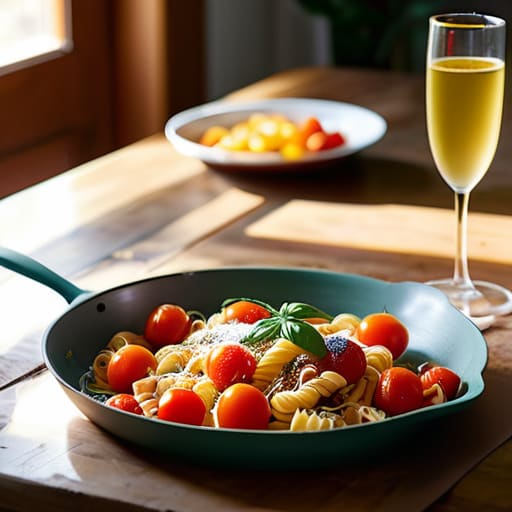
We’ve all been there: it’s 6:30 PM, you’re staring blankly into a fridge that contains half a lemon and some questionable yogurt, and the sudden urge to just order takeout is paralyzing. I used to treat dinner like this high-stakes performance every single night, but honestly, that’s the fastest way to burn out. The truth is, most of us don’t need gourmet complexity; we just need easy dinner recipes that don’t require a PhD in culinary arts or a two-hour cleanup session. I’ve realized that the secret to surviving the work week isn’t about being a chef, it’s about building a reliable system that works even when your brain is fried.
In this post, I’m stripping away the gatekeeping and sharing my five go-to, low-friction meals that I actually cook when I’m exhausted. These aren’t fancy, “aesthetic” recipes you see on TikTok that require twenty specialized ingredients; these are real-life staples designed for efficiency. I’ll walk you through exactly how I prep and assemble them so you can stop the 6 PM panic and finally reclaim your evening.
Table of Contents
The "Sheet Pan Savior" Method
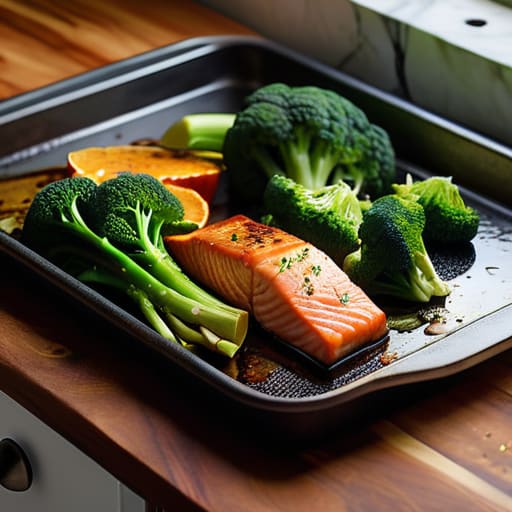
If you’re like me and the last thing you want to do after a day of staring at a screen is scrub five different pots and pans, sheet pan meals are your new best friend. You basically just toss a protein—think salmon fillets or chicken thighs—and whatever veggies are looking sad in your crisper drawer onto a single tray with some olive oil and salt. I usually go for broccoli and sweet potatoes because they roast at the same rate, creating a minimal cleanup miracle that feels way more intentional than it actually is.
Adulting with High-Quality Frozen Staples
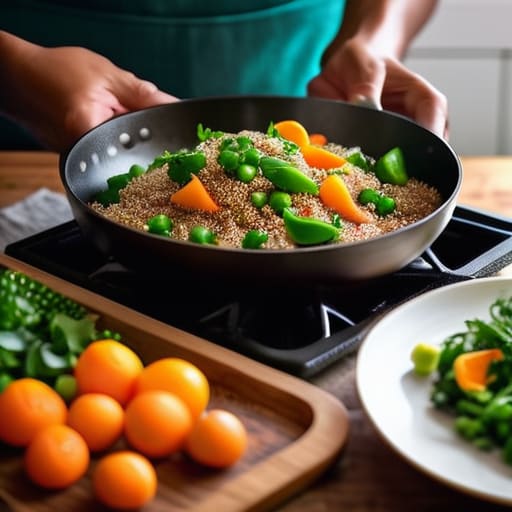
There is this weird, unwritten rule that if you aren’t chopping everything from scratch, you aren’t “really” cooking, and honestly? That’s a lie that leads to burnout. I’ve fully embraced the power of the freezer section to keep my life from falling apart. Having high-quality frozen veggie medleys or even pre-cooked grain pouches in the pantry is a total game changer when your brain is fried and you have zero decision-making capacity left.
The One-Pot Pasta Hack
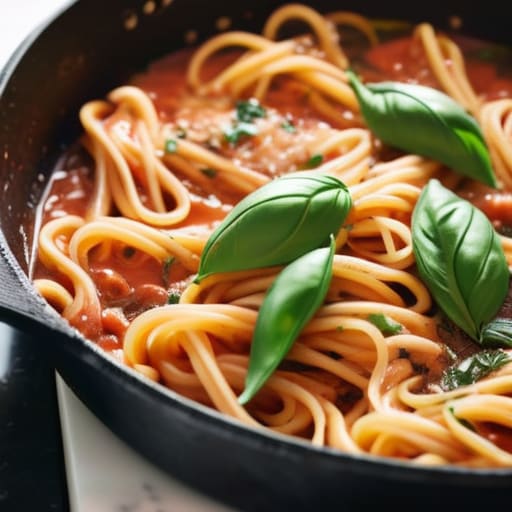
Pasta is the ultimate safety net, but the traditional way of boiling water, draining it, and then making a separate sauce is just too many steps for a Tuesday night. Instead, I’ve moved toward the “one-pot” method where you cook the noodles directly in the sauce or a flavored broth. You just add your dry pasta, some aromatics, and enough liquid to cover it, then let it simmer until the starch from the noodles thickens everything into a creamy, cohesive sauce.
Breakfast for Dinner (The Lazy Classic)
Let’s be real: sometimes the most efficient way to handle dinner is to just lean into the fact that you’re exhausted and eat breakfast. A loaded omelet or even just some avocado toast with a fried egg is a perfectly valid dinner system. I usually keep a carton of eggs and some sourdough in the fridge specifically for these “emergency” nights because they have a long shelf life and require almost zero prep work.
The Assembly-Only Grain Bowl
This is my go-to when I have random ingredients scattered around the kitchen but no cohesive plan. The grain bowl is less of a recipe and more of a structural framework. You start with a base of whatever grain you have—quinoa, rice, or even farro—then you add a protein, a healthy fat like avocado or tahini, and something crunchy for texture. It’s the most flexible way to eat because you aren’t following a strict set of instructions; you’re just assembling components.
The Bottom Line
Stop aiming for perfection; a decent, low-effort meal is always better than the expensive takeout you’ll regret later.
Success is in the prep, so pick two or three reliable “go-to” recipes and make them your default when your brain is fried.
Build your kitchen around systems, not recipes—having the right staples on hand is what actually prevents the 6 PM panic.
Stop the 6 PM Panic
At the end of the day, these recipes aren’t about achieving some Pinterest-perfect culinary aesthetic; they’re about reducing friction. Whether you’re leaning on the one-pan roasted veggie method or just assembling a quick grain bowl, the goal is to stop the mental drain that comes with deciding what to eat when your brain is already fried from work. You don’t need a pantry full of exotic spices or three hours of prep time to nourish yourself. You just need a few reliable, low-effort systems that you can execute on autopilot when you’re running on empty.
Adulthood is heavy enough as it is, and your dinner shouldn’t feel like another massive item on your to-do list. If you end up eating cereal or toast one night, that is totally fine—don’t let the pursuit of “meal prepping” turn into another source of guilt. The real win is knowing that you have a handful of go-to options that keep you fed without the meltdown. Focus on building a sustainable rhythm rather than perfection. Once you have these little systems in place, you’ll realize that eating well doesn’t have to be a chore; it can actually be the easiest part of your day.
Frequently Asked Questions
How can I make these recipes even faster if I'm running really behind?
Look, we’ve all had those days where “running behind” actually means “I’m staring at the wall in a trance.” If you’re truly in a time crunch, lean on the shortcuts. Use pre-chopped frozen veggies instead of slicing fresh ones, or grab a rotisserie chicken to skip the protein prep entirely. Also, don’t be afraid of the microwave for steaming grains. It’s not “cheating”—it’s just using a system to get fed faster.
Can I swap out the proteins or veggies in these meals without ruining the whole vibe?
Absolutely. In fact, I actually prefer swapping things out based on what’s on sale or what’s about to expire in my fridge. That’s the whole point of a system—it’s supposed to be flexible, not a rigid set of rules. If a recipe calls for chicken but you have chickpeas, go for it. Just try to keep the texture and cooking time somewhat similar so you don’t accidentally blow up your evening.
What's the best way to store the leftovers so they don't taste like cardboard the next day?
The biggest mistake is letting food sit in those flimsy plastic containers or, even worse, leaving it in the pan. Once it cools, move everything into airtight glass containers. Glass is non-negotiable for me; it seals better and doesn’t hold onto weird smells. Also, if you’re storing something like pasta or rice, add a tiny splash of water before reheating. It creates steam and keeps things from turning into dry, sad cardboard.