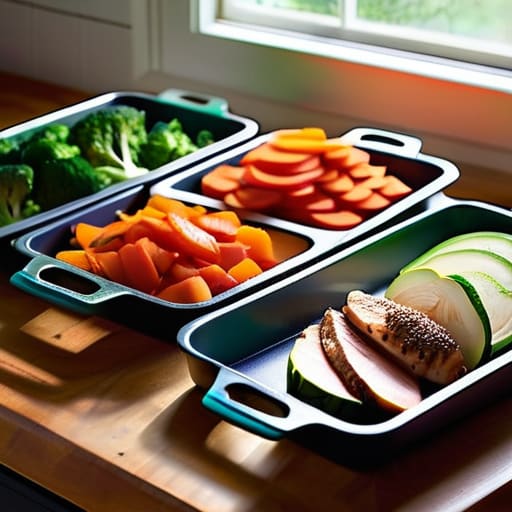
I used to think that batch cooking for beginners meant I had to transform my kitchen into a high-end test kitchen every Sunday, surrounded by twenty different glass containers and a mountain of organic kale I couldn’t afford. Honestly, the “aesthetic” meal prep influencers make it look so curated and perfect that it actually feels more exhausting than just ordering takeout for the third time this week. I realized pretty quickly that if a system requires three hours of cleaning and a PhD in nutrition just to function, it’s not a system—it’s a chore.
I’m not here to give you a recipe for something that tastes like cardboard by Wednesday. Instead, I want to show you how to build a low-friction workflow that actually works for a real, messy life. We’re going to skip the gatekeeping and the expensive gadgetry to focus on the actual, unpolished steps of batch cooking for beginners. My goal is to help you spend a little time upfront so you can stop living in a constant state of decision fatigue every time you get hungry.
Table of Contents
- Ditch the Daily Chaos With Batch Cooking for Beginners
- Mastering Weekly Meal Planning Strategies Without the Stress
- Budget Friendly Bulk Cooking to Save Your Sanity
- Essential Time Saving Cooking Techniques for Busy Adults
- The Real Way of Storing Cooked Meals Safely
- My Five Non-Negotiable Rules for Not Losing Your Mind
- The Bottom Line: Making It Work for You
- The Bottom Line
- Frequently Asked Questions
Ditch the Daily Chaos With Batch Cooking for Beginners
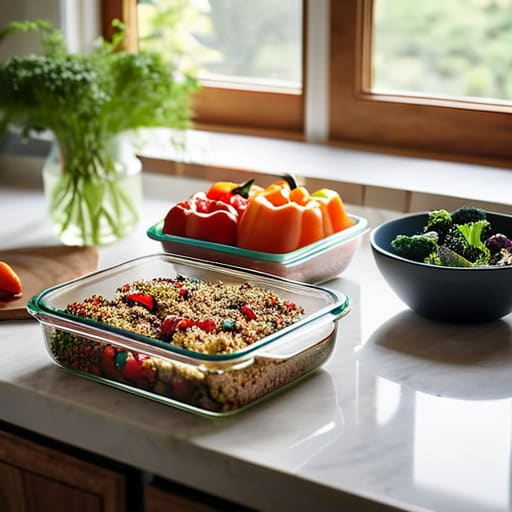
The biggest mistake I see people make is thinking they need to become a professional chef on a Sunday afternoon. You don’t. If you try to cook five complex recipes at once, you’re just going to burn out by 4:00 PM and end up ordering takeout anyway. Instead, I focus on weekly meal planning strategies that actually fit into a real schedule. I’m talking about picking two proteins, one big grain, and a couple of roasted veggies. That’s it. It’s about building a modular system where you can mix and match components throughout the week so you don’t feel like you’re eating the exact same sad leftovers every single night.
To make this actually work, you need to invest in decent meal prep containers for beginners—nothing ruins the vibe like a container that leaks soy sauce all over your tote bag. Once you have your containers, the goal is to minimize the friction of assembly. When you have your components ready to go, “cooking” dinner becomes nothing more than a five-minute reheat process. It turns your kitchen from a place of daily stress into a highly efficient fueling station.
Mastering Weekly Meal Planning Strategies Without the Stress
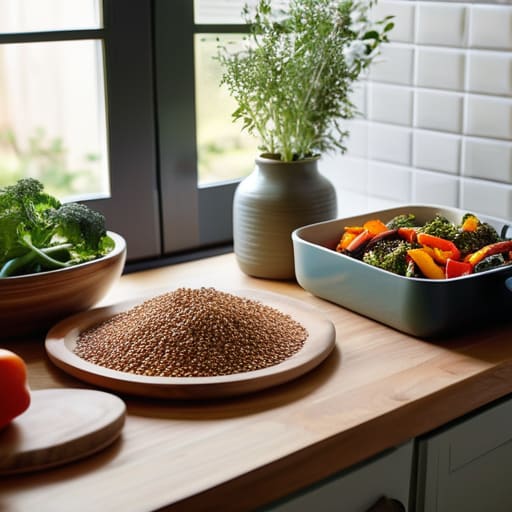
The biggest mistake I see people make is trying to plan a seven-day gourmet menu on a Sunday afternoon. That is a recipe for burnout. Instead, I lean into weekly meal planning strategies that actually account for real life—like the fact that you’ll probably be too tired to cook on Wednesday. I don’t plan specific recipes; I plan components. I’ll roast two trays of veggies, boil a big pot of grains, and prep a protein or two. This way, you aren’t staring at a rigid schedule, but rather a collection of building blocks you can mix and match based on your mood.
To make this actually stick, you need the right gear so you aren’t playing Tetris with your fridge. I highly recommend investing in a solid set of meal prep containers for beginners—ideally glass ones that actually seal well. There is nothing more frustrating than opening your fridge to find a leak that ruined your entire shelf. If you have decent containers, storing cooked meals safely becomes second nature, and you won’t be tempted to order takeout because your leftovers look unappealing.
Budget Friendly Bulk Cooking to Save Your Sanity
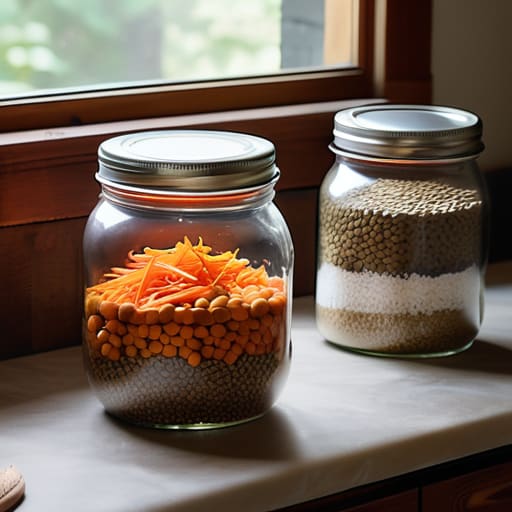
Let’s be real: the biggest barrier to this lifestyle is usually the grocery bill. It’s easy to think that “organized eating” means buying expensive organic pre-cut veggies and gourmet spices, but that’s a fast track to a drained bank account. To actually make budget friendly bulk cooking work, you have to pivot toward staples. I’m talking about the heavy lifters—dried lentils, massive bags of rice, seasonal root vegetables, and whatever protein is on sale that week. When you buy in bulk and build your meals around these foundations, you aren’t just saving money; you’re building a buffer against those “I’m too tired to cook” takeout orders that kill your budget.
The real secret to not feeling overwhelmed is staying organized once the food is actually made. Don’t just throw everything into random Tupperware; invest in a decent set of meal prep containers for beginners that actually seal properly. There is nothing worse than opening your fridge on Wednesday to find a soggy, leaked-out mess. If you use uniform, stackable containers, you can see exactly what you have at a glance, which stops you from overbuying at the store. It turns your fridge from a chaotic graveyard of leftovers into a streamlined, visual menu.
Essential Time Saving Cooking Techniques for Busy Adults
The biggest mistake I see people make is thinking they need to stand over a stove for five hours straight. That’s not a system; that’s a chore. Instead, you need to lean into time saving cooking techniques like “passive cooking.” This means utilizing your oven, slow cooker, or even an air fryer to do the heavy lifting while you actually live your life. If you’re roasting two trays of veggies and a big batch of protein at the same time, you’re working smarter, not harder.
Another huge time-saver is the “component method.” Instead of trying to cook entire, complex recipes, just prep versatile building blocks. Think big bowls of grains, roasted chickpeas, or shredded chicken. Once these are ready, you can assemble different meals in minutes rather than starting from scratch every night. To keep things from getting messy, invest in some decent meal prep containers for beginners—glass is my go-to because it’s easier to reheat and doesn’t hold onto smells. It’s all about building a toolkit that makes the mid-week version of you feel completely taken care of.
The Real Way of Storing Cooked Meals Safely
Here’s the thing: all that effort you put into your Sunday session is wasted if your food ends up tasting like a science experiment by Wednesday. I learned this the hard way when I tried to reuse old, mismatched plastic tubs that weren’t airtight. If you want to actually enjoy your food throughout the week, you need to invest in decent meal prep containers for beginners—specifically glass ones if you can swing it. They don’t stain, they don’t hold onto weird smells, and they’re much safer for reheating in the microwave without leaching chemicals into your dinner.
When it comes to storing cooked meals safely, temperature is everything. Don’t let your hot pans sit on the counter all afternoon waiting to cool; that’s a recipe for bacteria growth. Portion your food into individual containers while it’s still warm, then get them straight into the fridge. If you’re doing serious budget friendly bulk cooking and making massive batches of chili or stew, don’t try to cram it all in the fridge at once. Use the freezer. Label everything with a piece of masking tape and a sharpie so you actually know what’s inside when you’re staring blankly into the freezer at 7:00 PM.
My Five Non-Negotiable Rules for Not Losing Your Mind
- Don’t try to cook five new recipes in one afternoon. You’ll end up with a kitchen that looks like a crime scene and a bunch of food you actually hate. Stick to one new recipe and keep the rest of your batch to things you already know how to make.
- Invest in a decent set of matching glass containers. I know, it feels extra, but having a uniform system for your fridge means you can actually see what you have at a glance. It stops that “what is this mystery container doing in the back?” feeling that leads to food waste.
- Embrace the “component” method if full meals feel too heavy. Instead of making three identical lasagna dishes, just cook a massive batch of roasted veggies, a big pot of grains, and two different proteins. You can mix and match them all week so you don’t get bored.
- Clean as you go—seriously. If you leave the mountain of dishes for the end, you’re going to associate cooking with stress instead of efficiency. Wash your prep bowls while the onions are sautéing so you can actually enjoy your evening once the food is done.
- Always, always make more than you think you need. If you’re already boiling water or preheating the oven, just double the portion. Having an extra serving of something easy for a random Tuesday night is the ultimate way to avoid the “emergency” takeout order.
The Bottom Line: Making It Work for You
Don’t try to be a Pinterest chef on day one; start by prepping just two or three versatile components—like a big batch of grains or a roasted veggie mix—and build from there.
Systematize your storage so you actually use what you make; if you can’t see it in the fridge, you’re going to end up ordering takeout anyway.
View meal prepping as a way to buy back your time and mental energy, not as another chore on your to-do list that you have to get “perfect.”
The Bottom Line
Look, I know this sounds like a lot to take on at once. Between planning your menu, hitting the grocery store with a list, and actually spending those few hours in the kitchen, it feels like another massive chore on your to-do list. But once you’ve mastered the basics—from the way you store your containers to the little time-saving hacks that make prep feel less like a marathon—the payoff is massive. You aren’t just making food; you’re building a system that protects your time. When you stop making every single meal from scratch every single night, you finally stop living in that constant state of decision fatigue.
At the end of the day, my goal isn’t to turn you into a professional chef or someone who spends every Sunday obsessing over Tupperware. It’s about giving you back your sanity. If you only manage to prep one big pot of chili or a batch of roasted veggies this week, count that as a win. Adulthood is heavy enough as it is; don’t let your kitchen be another source of stress. Start small, keep your systems simple, and remember that the goal is to make your life run smoother, not to make cooking a second job. You’ve got this.
Frequently Asked Questions
I don't want to eat the exact same thing five days in a row—how do I prep ingredients without getting bored?
The secret is to stop thinking in “meals” and start thinking in “components.” Instead of prepping five identical chicken pastas, prep a big batch of roasted chicken, a container of quinoa, and some sautéed veggies. On Monday, throw them in a bowl with tahini; on Wednesday, toss them into a wrap with some feta. When you prep versatile building blocks rather than finished dishes, you get variety without the extra effort.
Do I really need to buy all those expensive glass containers, or can I just use what I already have in my kitchen?
Honestly? Absolutely not. Please do not fall into the trap of thinking you need a matching set of aesthetic glass containers to be “organized.” That’s just more clutter and more money down the drain. If you have Tupperware, old deli containers, or even some decent-quality silicone bags, use them. The goal here is reducing friction, not building a curated collection. As long as they’re airtight and food-safe, they’ll do the job just fine.
How do I make sure the food actually tastes fresh when I reheat it on a Thursday?
This is where most people fail, and it’s usually because they treat their microwave like a magic wand. If you want that Thursday meal to not taste like sadness, stop nuking everything on high. Use a lower power setting to reheat slowly, or better yet, finish things in a pan. Also, a splash of water or broth before reheating works wonders for bringing moisture back into grains and proteins. Don’t just heat it; revive it.