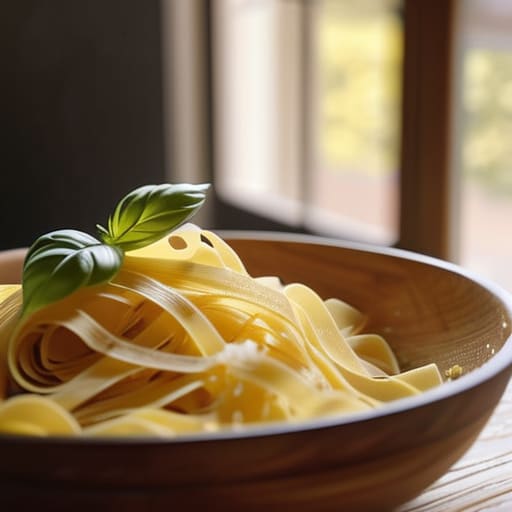
I used to think that mastering dinner meant buying every expensive, artisanal brand of dried noodles and following some overly dramatic recipe that required three different types of specialized salts. Honestly, it’s exhausting. I spent way too many nights staring at a pot of mushy, bland noodles, feeling like I was failing at a basic adult task just because I didn’t have a culinary degree. If you’re tired of the gatekeeping and the idea that you need a gourmet kitchen just to figure out how to cook pasta perfectly, I promise you, it’s much simpler than the food influencers make it out to be.
I’m not here to give you a lecture on Italian heritage or suggest you spend forty dollars on a single box of pasta. Instead, I want to give you a repeatable system that works every single time, even when you’re exhausted and just want to eat. I’m stripping away the fluff to give you the actual, unpolished steps—from the water-to-salt ratio to the exact moment you should pull it off the heat. Let’s stop overcomplicating dinner and just get it right.
Table of Contents
Understanding How to Cook Pasta Perfectly
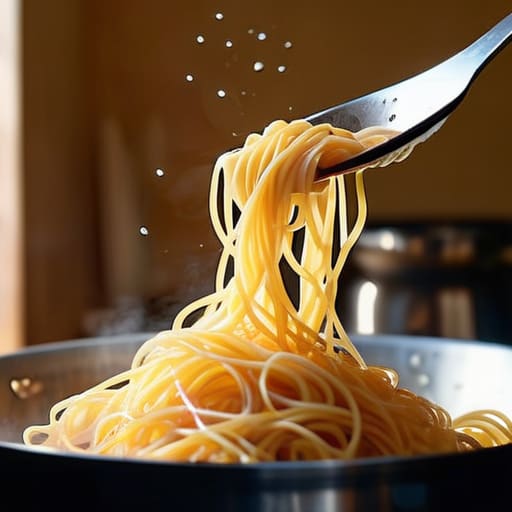
Before you even touch a box of noodles, you need to understand that pasta isn’t just something you boil until it’s mushy; it’s about texture and timing. Most people fail because they treat the pot like a mindless chore rather than a system. The biggest thing to get right is the difference between al dente and soft pasta. Al dente—which literally means “to the tooth”—is that perfect middle ground where the pasta has a slight, firm bite in the center. If you wait until it feels totally soft in the pot, you’ve already lost the battle.
Another mistake I see constantly is treating the water like it’s just a medium for heat. It’s actually your first seasoning step. Salting pasta water correctly is non-negotiable; it should taste like a seasoned soup. If you don’t salt the water, the pasta will taste bland no matter how good your sauce is. Also, keep an eye on your clock. Most boxes give you a general idea, but I always treat that as a suggestion and start testing the texture a minute or two early to ensure I don’t overshoot the mark.
Key Things to Know
Before you even reach for the pot, there are a few non-negotiables that most people skip, which is exactly why their dinner ends up tasting like bland, mushy cardboard. First, stop being stingy with the salt. You aren’t just seasoning the noodles; you’re seasoning the actual structure of the pasta from the inside out. I always tell people that salting pasta water correctly is the single biggest difference between a “home meal” and something that actually tastes like it came from a restaurant. It should taste like a lightly seasoned soup, not a swimming pool.
Also, let’s talk about the texture. Most people think they’ve failed if the pasta isn’t soft, but there is a massive difference between al dente and soft pasta. If you’re aiming for that professional bite, you want to pull the noodles out a minute before the box says they’re done. This is crucial because the pasta will continue to cook once it hits your sauce. If you want to level up, keep a small cup of that cloudy liquid before draining; using pasta water in sauces is the ultimate cheat code for getting that silky, restaurant-quality coating that sticks to every single strand.
Practical Tips and Steps
First, let’s talk about the actual workflow. Don’t just throw everything in a pot and hope for the best. Start by using a large enough pot so the noodles have room to move; if they’re cramped, you’re basically asking for a clump of starch. While you wait for the water to hit a rolling boil, focus on salting pasta water correctly. It should actually taste like the sea. This is your only chance to season the noodle itself, so don’t be shy with the salt.
Once the pasta is in, set a timer immediately. I always keep a mental pasta cooking time guide based on the box, but I usually check it two minutes early to test the texture. You’re looking for that specific bite—the difference between al dente and soft pasta is really just about how much resistance you feel when you bite down.
Finally, the pro move: before you drain anything, scoop out a mug of that cloudy, starchy liquid. Using pasta water in sauces is the ultimate hack for getting that silky, restaurant-quality emulsion that actually clings to your noodles instead of sliding off to the bottom of the bowl.
Common Mistakes to Avoid
The biggest mistake I see people making is treating the pot like a tiny, cramped bathtub. If you don’t use enough water, the starch gets too concentrated, and you’ll end up with a gummy, clumped mess. This is the fastest way to fail at preventing sticky pasta. Also, please stop adding oil to the water because you think it’ll stop sticking—it actually just creates a slick film that prevents your sauce from ever actually clinging to the noodles.
Another huge pitfall is ignoring the seasoning step. I see so many people wait until the pasta is on the plate to add salt, but that’s too late. You need to be salting pasta water correctly while it’s boiling so the flavor actually penetrates the dough. Finally, don’t just drain the pot and walk away. If you toss that starchy liquid down the sink, you’re throwing away your best tool. Always save a splash of that liquid; it’s the secret to emulsifying your sauce and making everything feel cohesive rather than just “noodles with stuff on top.”
Final Thoughts
At the end of the day, cooking pasta shouldn’t feel like a high-stakes chemistry experiment. It’s just one of those small, repeatable systems that, once mastered, takes the stress out of a Tuesday night dinner. You don’t need a culinary degree; you just need to trust the process and stop being afraid of a little salt. Once you get comfortable with the rhythm of it—watching the boil, checking the texture, and saving that liquid gold—you’ll realize how much easier it makes your life in the kitchen.
My biggest piece of advice is to keep experimenting. Don’t be afraid to play around with different varieties, because knowing which best pasta shapes for sauces work for your specific recipe is a total game-changer. Whether you’re aiming for that perfect bite or just trying to get a quick meal on the table, remember that the goal is efficiency, not perfection. Stop overthinking the timer and start trusting your senses. Once you nail the basics, you’re not just making dinner; you’re building a system that works for you.
My Non-Negotiable Pasta Rules
- Salt the water like it’s part of the recipe, not an afterthought. It should actually taste like the sea; that’s the only chance your noodles have to absorb flavor from the inside out.
- Save a mug of that cloudy pasta water before you drain it. That starchy liquid is liquid gold—it’s the secret to making your sauce actually cling to the pasta instead of sliding off to the bottom of the bowl.
- Stop the “rinse” habit immediately. Unless you’re making a cold pasta salad, rinsing your noodles with cold water washes away all that delicious starch you need for a silky texture.
- Aim for al dente, but remember that the pasta keeps cooking once it hits the pan. Pull it out of the pot a minute or two before the box says it’s done so it can finish absorbing the sauce in the pan.
- Use a bigger pot than you think you need. Cramming pasta into a tiny pot leads to a gummy, clumpy mess because there isn’t enough water circulation to keep the strands separate.
The Cheat Sheet for Stress-Free Pasta
Don’t skimp on the salt; heavily salting your water is the only way to season the pasta from the inside out.
Stop draining the water down the sink immediately—save a mug of that starchy liquid to help your sauce actually stick to the noodles.
Always finish your pasta in the pan with the sauce rather than just dumping sauce on top of plain noodles in a bowl.
The Bottom Line
At the end of the day, cooking great pasta isn’t about following some sacred, complicated ritual; it’s just about respecting the basics. You don’t need a culinary degree to get this right—you just need a big pot of salted water, a bit of patience to wait for that rolling boil, and the foresight to save a splash of that starchy pasta water before you drain it. If you remember to salt the water aggressively and pull the noodles out while they still have a bit of a bite, you’ve already won half the battle. Stop stressing over the timer and start trusting your senses instead.
I know that sometimes, after a long day of work or staring at screens, the last thing you want to do is manage another “system.” But once you nail this, dinner stops being another chore on your to-do list and starts being a reliable, delicious win. Adulthood is messy, but your kitchen doesn’t have to be. Master these small, repeatable steps, and you’ll realize that even a simple box of dried noodles can feel like a properly composed meal when you actually know what you’re doing. You’ve got this.
Frequently Asked Questions
Should I actually use a massive pot of water, or is that just a waste of energy and resources?
Honestly, I get the guilt. It feels like a massive waste of water and energy, but here’s the reality: you need that extra volume. If you use a tiny pot, the water temperature crashes the second the pasta hits, and you end up with a gummy, starchy mess. Instead of skipping the big pot, just use a lid to speed up the boil and save energy. It’s a small trade-off for actually edible pasta.
Is it really okay to skip the salt, or am I going to ruin the whole meal?
Look, I get it—salt feels like one of those “rules” people gatekeep. If you’re asking if you can skip it, sure, you won’t poison anyone. But honestly? You’re going to end up with pasta that tastes… fine, but boring. Salt isn’t just for flavor; it seasons the noodle itself from the inside out. If you’re avoiding it for health reasons, just lean heavier on fresh herbs or garlic later. But if you can, salt the water. It’s worth it.
What do I do if I accidentally overcook it and it turns into mush?
Honestly, it’s a total mood, and it happens to the best of us. If it’s already mushy, don’t try to save it as a standalone pasta dish—it’s a lost cause. Instead, pivot. Lean into the texture and turn it into a baked pasta or a creamy mac and cheese. The extra sauce and cheese will mask the softness. Or, just call it a “pasta soup” and add extra broth. Crisis averted.