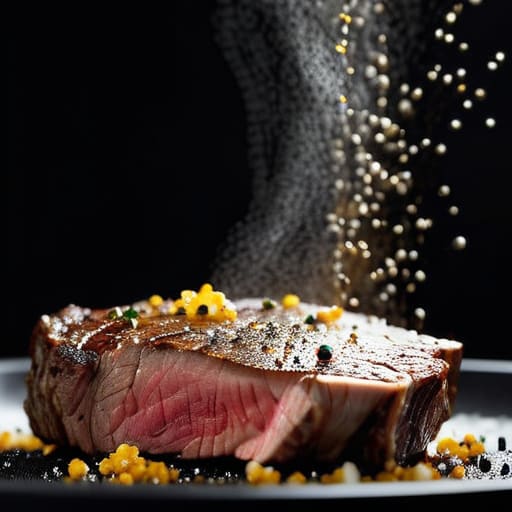
I still remember standing in my mom’s kitchen as a kid, watching her toss handfuls of spices into a pan like she was performing some kind of culinary magic trick. I used to think you needed a massive, expensive spice rack and a degree in chemistry to make anything taste decent, but honestly? Most of those “gourmet” cooking tutorials are just gatekeeping. They make you feel like you’re failing if you don’t have twenty different artisanal salts on hand, when the truth is that learning how to season food is actually much simpler—and much more intuitive—than the internet wants you to believe.
I’m not here to give you a lecture on flavor profiles or teach you how to use terms you’ll never say out loud. Instead, I want to give you the actual, unpolished steps to making your meals taste like they actually came from a kitchen and not a cardboard box. We’re going to strip away the fluff and focus on the repeatable systems that work, whether you’re throwing together a quick weeknight pasta or trying not to ruin a steak. My goal is to help you stop guessing and start building confidence with every single bite.
Table of Contents
- Stop Guessing My No Nonsense System for How to Season Food
- Building Your Arsenal Essential Spice Pantry Staples You Actually Need
- The Flavor Blueprint Layering Flavors in Cooking Without the Chaos
- The Secret Fix Balancing Salt and Acid for Instant Results
- Mastering the Details When to Season Meat and Using Umami Enhancers
- Pro-Tips to Keep in Your Back Pocket (So You Don't Ruin Dinner)
- The TL;DR: How to Stop Overthinking Your Seasoning
- Don't Overthink It, Just Taste It
- Frequently Asked Questions
Stop Guessing My No Nonsense System for How to Season Food
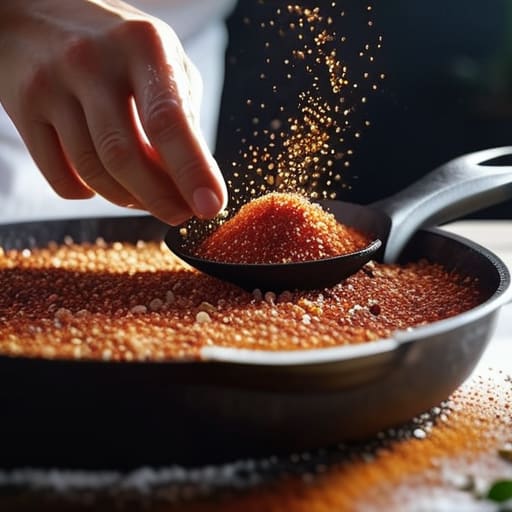
Look, I used to stare at my spice rack like it was a math equation I couldn’t solve. I’d throw things in randomly, hoping for the best, only to end up with something that tasted either incredibly bland or aggressively salty. The shift happened when I stopped treating seasoning like a chore and started seeing it as a system of layering flavors in cooking. Instead of dumping everything in at once, I started building in stages. I begin with the heavy hitters—salt and pepper—right at the start to ensure the base is actually flavorful, rather than just coating the surface.
The real game-changer for me was learning about balancing salt and acid. If a dish tastes “flat” but you’ve already added plenty of salt, don’t reach for the shaker again; reach for a lemon or a splash of vinegar. That brightness cuts through the heaviness and wakes everything up. I also keep a few essential spice pantry staples on hand, like smoked paprika or cumin, so I’m never scrambling. It’s not about following a recipe to the letter; it’s about tasting as you go and adjusting until the flavors actually make sense to you.
Building Your Arsenal Essential Spice Pantry Staples You Actually Need
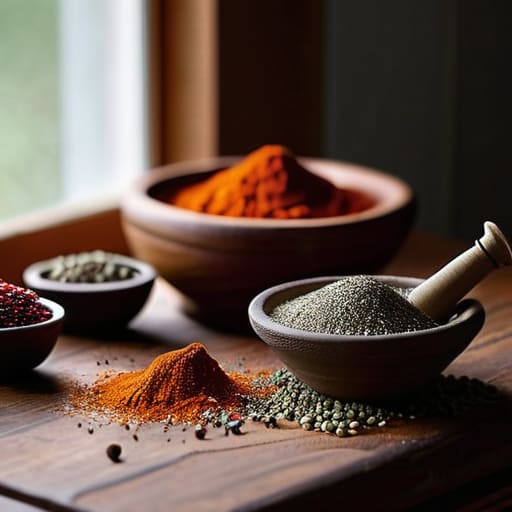
Look, you don’t need a massive, expensive spice rack that looks like a prop from a cooking show just to make dinner edible. Most of those specialty blends are just overpriced filler. Instead, focus on building a collection of essential spice pantry staples that actually work together. I’m talking about the heavy hitters: kosher salt (don’t even bother with table salt), cracked black pepper, garlic powder, smoked paprika, and maybe some cumin or dried oregano. If you have these, you can pivot from a taco night to a roasted chicken way more easily than you think.
One thing that tripped me up early on was the difference between spices and herbs. Spices come from seeds, bark, or roots (think cinnamon or cumin), while herbs are the leafy parts (like basil or thyme). Generally, you want to hit your spices early in the cooking process to let them bloom in the oil, whereas herbs are often better added toward the end so they don’t lose their brightness. If you really want to level up, keep some umami flavor enhancers like nutritional yeast or dried mushroom powder on hand. It’s the easiest way to add depth when a dish feels like it’s missing “something” but you can’t quite put your finger on it.
The Flavor Blueprint Layering Flavors in Cooking Without the Chaos
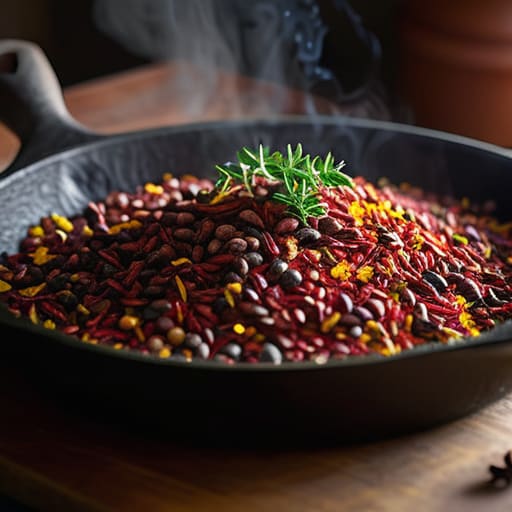
Think of seasoning like building a playlist; you don’t just throw every song into a shuffle and hope for the best. You need a flow. Most people make the mistake of dumping everything in at once, which just leads to a muddy, confusing mess. The secret to layering flavors in cooking is timing. You want to start with your heavy hitters—the dried spices that can handle heat—right at the beginning to build a foundation. Save your delicate dried herbs or fresh garnishes for the very end, otherwise, they’ll just turn bitter or lose their personality in the pan.
Once you have that base, you have to manage the “vibe” of the dish. This is where most home cooks get stuck. If a dish feels heavy or “flat,” you probably don’t need more salt; you likely need to focus on balancing salt and acid. A squeeze of lemon or a splash of vinegar acts like a volume knob for your other flavors, making everything pop without making it salty. If you’re still missing that “something,” look toward umami flavor enhancers like soy sauce, parmesan, or even a tiny bit of tomato paste to give the meal some actual depth.
The Secret Fix Balancing Salt and Acid for Instant Results
If you’ve ever finished a dish and thought, “It tastes fine, but it’s just… missing something,” you probably don’t need more salt. You likely need acid. This is the part of balancing salt and acid that most people overlook because it feels a bit more technical, but it’s actually the easiest way to rescue a flat meal. Salt acts as a volume knob—it turns the intensity of the ingredients up—but acid is what provides the brightness and clarity. If your soup or sauce feels heavy and dull, a squeeze of lemon or a splash of vinegar acts like a reset button for your palate.
Think of it as a chemical tug-of-war. If a dish is too salty, you don’t always need to dilute it; sometimes, adding a hit of acidity can actually help mask that harshness by providing a counterpoint. I always keep a bottle of apple cider vinegar and a few limes in my kitchen for this exact reason. It’s not about following a strict recipe; it’s about trusting your taste buds to tell you when the brightness is finally hitting the right note.
Mastering the Details When to Season Meat and Using Umami Enhancers
Timing is everything when it comes to protein. If you’re wondering when to season meat, the short answer is: earlier rather than later. I’ve learned the hard way that if you wait until the meat is already in the pan to start grabbing your salt, you’re just seasoning the surface, not the actual food. For something like a steak or chicken breasts, I try to salt them at least thirty minutes before they hit the heat. This allows the salt to penetrate the fibers, making the whole thing more flavorful and helping it retain moisture. If you’re in a massive rush, even five minutes helps, but don’t skip this step if you want that deep, savory profile.
Once you’ve got your base seasoning down, you can start playing with umami flavor enhancers to really drive that “savory” feeling home. If a dish feels like it’s missing a soul, don’t just reach for more salt—try adding a splash of soy sauce, a bit of tomato paste, or even some grated parmesan. These little additions act like a cheat code for depth. It’s all about that final push of richness that makes your meal feel intentional rather than just “functional.”
Pro-Tips to Keep in Your Back Pocket (So You Don't Ruin Dinner)
- Season as you go, not just at the end. If you wait until the food is already on the plate to add salt, you’re just coating the surface; if you season in layers while cooking, the flavor actually gets into the ingredients.
- Taste your food more often than you think you should. Seriously, grab a clean spoon and try a tiny bit of your sauce or base every few minutes. It’s the only way to know if you’re actually getting closer to that “perfect” flavor or if you’re just spinning your wheels.
- Don’t be afraid of the “heavy hand” with dried herbs. Unlike fresh herbs, which are delicate and best added at the very end, dried spices need heat and moisture to wake up. Toss them in early so they actually have time to infuse the dish.
- Learn the difference between salt and “salty.” If a dish tastes flat but you’ve already added salt, don’t just keep dumping more in—you’ll end up with a salt bomb. Usually, that means you’re missing acid (like lemon or vinegar) or heat, not more sodium.
- Keep your spices away from the stove. I know it looks cute to have them all lined up right next to the heat, but the temperature fluctuations kill their potency. Store them in a cool, dark cupboard so they actually taste like something when you need them.
The TL;DR: How to Stop Overthinking Your Seasoning
Stop treating spices like a math equation and start treating them like a system; layer your flavors from the base up and always taste as you go.
Keep your pantry lean with the essentials—you don’t need fifty exotic blends, just a solid foundation of salt, acid, and versatile aromatics.
If a dish tastes “flat” or boring, don’t just throw more salt at it; reach for an acid like lemon juice or vinegar to actually wake the flavors up.
Don't Overthink It, Just Taste It
At the end of the day, seasoning isn’t some mystical art form reserved for people with Michelin stars; it’s just a series of small, logical adjustments. We’ve covered the essentials: building a pantry that actually works, layering your flavors from the ground up, and using that crucial salt-and-acid balance to fix a dish that feels “flat.” Remember that meat needs its own dedicated timing, and umami is your secret weapon when a recipe feels like it’s missing a soul. If you stick to these systems, you’ll stop staring at a recipe like it’s a math equation and start trusting your own palate instead.
My biggest piece of advice? Stop being afraid to make mistakes. You are going to over-salt a soup or accidentally go too heavy on the cumin at some point, and honestly, that’s how you actually learn. Cooking shouldn’t feel like a high-stakes exam; it should be a repeatable process that gets easier every single time you step into the kitchen. Once you strip away the intimidation, you realize that seasoning is just about making things taste good for you. So, grab your salt, keep your multi-tool (or at least a good tasting spoon) handy, and just start experimenting. You’ve got this.
Frequently Asked Questions
How do I know if I've gone too far with the salt and how do I fix it without ruining the whole dish?
We’ve all been there—you take a bite and it’s a salt bomb. First, don’t panic. If it’s a liquid-based dish like a soup or sauce, try adding a splash of acid (lemon juice or vinegar) or a bit of unsweetened cream to mask the sting. If it’s a solid dish, I usually add more unseasoned bulk—like more veggies or grains—to dilute the salt. Whatever you do, don’t just add water; it’ll just make everything bland and sad.
Is there a difference between using dried spices versus fresh herbs, and when should I actually bother with the fresh stuff?
Think of dried spices as your foundation and fresh herbs as the finishing touch. Dried spices are concentrated and need heat to wake up, so toss them in early while you’re sautéing. Fresh herbs, though, are delicate; if you cook them too long, they just turn into sad, brown bits. Save the fresh stuff for the very end to add brightness and that “just made this” pop. Use dried for depth, fresh for life.
Can you give me a quick cheat sheet for which spices go best with specific proteins like chicken versus beef?
Think of your spices like a capsule wardrobe—certain combinations just work every time. For chicken, keep it light and aromatic: rosemary, thyme, garlic powder, or a hit of smoked paprika. For beef, you want heavy hitters that stand up to the richness: think cracked black pepper, cumin, onion powder, or even a little dried oregano for a steak vibe. If you’re doing seafood, pivot to lemon zest and dill. Don’t overthink it; just match the intensity.