I am so tired of seeing those aesthetic “organization porn” videos where people spend three hundred dollars on matching glass jars just to store their pasta. Honestly, most of those viral kitchen tips and tricks are just expensive ways to make your life more complicated. You don’t need a custom-built spice rack or a color-coded pantry to be a functional adult; you just need a system that actually works when you’re tired and hungry at 7:00 PM. I grew up watching my mom navigate a professional kitchen and my dad fix everything from leaky sinks to broken toasters, so I learned early on that real efficiency isn’t about how pretty your countertop looks—it’s about reducing the friction of the task at hand.
I’m not here to sell you a lifestyle or a specific brand of minimalist containers. Instead, I’m going to give you the unpolished, actual steps to streamlining your space so you stop treating every meal like a high-stakes emergency. We’re going to focus on high-impact, low-effort changes that make sense for a real person with a real schedule. Consider this my no-nonsense contract: no gatekeeping, no fluff, just practical systems that actually stick.
Table of Contents
- Stop the Kitchen Chaos Real Kitchen Tips and Tricks for Sanity
- Mastering Meal Prep Efficiency Without the Sunday Scaries
- Ditch the Clutter With Smarter Food Storage Solutions
- Pantry Organization Ideas to End the Constant Food Scramble
- Sharp Tools and Better Knife Skills for Beginners
- Small Tweaks to Save You from Kitchen Burnout
- The Bottom Line: Making It Stick
- The Bottom Line
- Frequently Asked Questions
Stop the Kitchen Chaos Real Kitchen Tips and Tricks for Sanity
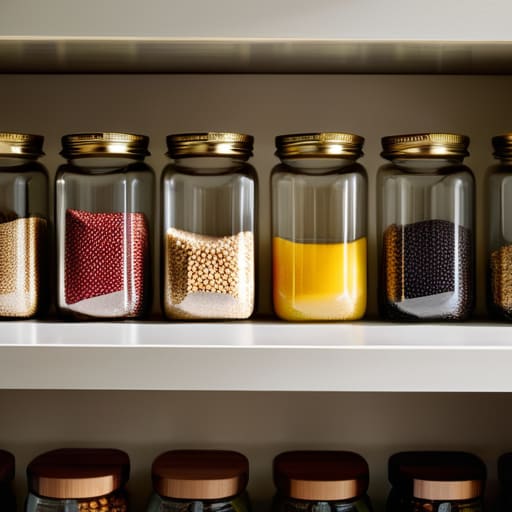
First off, let’s talk about the “doom pile” of Tupperware and half-used jars that usually lives in the back of my fridge. If you’re constantly digging through clutter just to find a snack, you need better food storage solutions. I stopped buying those mismatched plastic containers and switched to a uniform set of glass jars. It sounds small, but seeing exactly what I have at a glance prevents that “what’s for dinner?” panic at 6:00 PM. Pair that with some basic pantry organization ideas—like grouping your grains together and keeping your oils front and center—and you’ve already won half the battle.
The other thing that saved my sanity was realizing that my “cooking” was actually just a series of frantic, messy movements. I started focusing on a few culinary time-saving techniques, like the “clean as you go” rule. If you’re waiting for the water to boil, don’t just stand there scrolling; wash the cutting board you just used. It sounds tedious, but it turns a massive post-dinner cleanup into a five-minute task, which is the ultimate hack for keeping your kitchen from feeling like a disaster zone.
Mastering Meal Prep Efficiency Without the Sunday Scaries
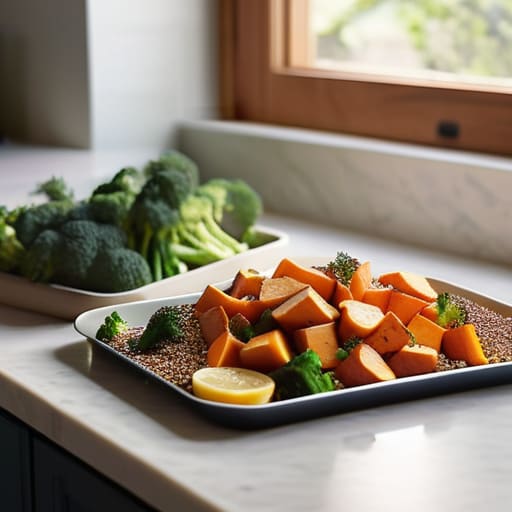
Look, I used to spend my entire Sunday afternoon hunched over a cutting board, feeling like I was running a marathon just to eat on Tuesday. That’s not meal prep; that’s a chore. To actually achieve meal prep efficiency without losing your entire weekend, you have to stop thinking about individual recipes and start thinking about components. Instead of cooking five specific meals, prep “building blocks”—a big batch of roasted veggies, a protein, and a grain. When you have these ready to go, assembly takes five minutes, and you aren’t staring blankly at the fridge at 7:00 PM.
Another thing that saved my sanity was investing in actual food storage solutions that work. If you’re still using mismatched plastic containers that leak or don’t stack, you’re just adding more friction to your life. Get a set of uniform, airtight glass containers. They stack perfectly in the fridge, which keeps things visually calm, and they actually keep your food fresh. It’s a small system, but it prevents that “emergency” feeling of discovering a science experiment in the back of your crisper drawer.
Ditch the Clutter With Smarter Food Storage Solutions
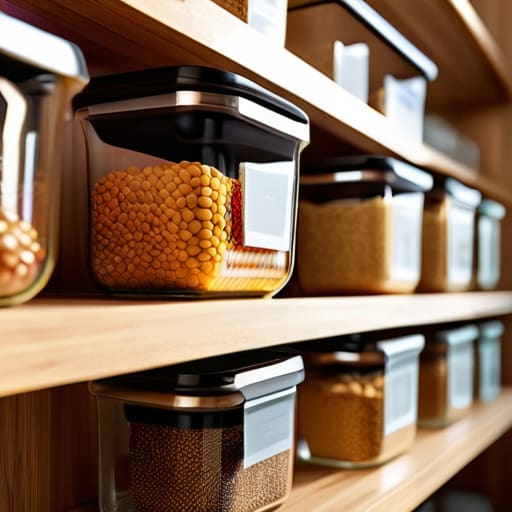
Honestly, nothing kills my motivation to actually cook more than opening a pantry and feeling like I’m digging through a junk drawer. If you’re still using those mismatched plastic containers that leak every time you move them, we need to talk. Investing in a cohesive set of food storage solutions—think glass containers with airtight lids—isn’t just about the aesthetic; it’s about knowing exactly what you have so nothing goes to waste. When everything is visible and stacked neatly, you stop buying duplicates of things you already own.
I’m a huge advocate for using clear bins for your dry goods, too. It’s one of those simple pantry organization ideas that actually works because it removes the mental friction of searching for that one specific bag of lentils. If you can see your inventory at a glance, you can plan your week much more effectively. Stop letting your ingredients hide in the dark corners of your cabinets; once you bring everything into the light, managing your kitchen feels less like a chore and more like a system that actually supports you.
Pantry Organization Ideas to End the Constant Food Scramble
The biggest mistake I see people make is treating their pantry like a junk drawer where things just go to die. We’ve all been there: you’re halfway through a recipe, only to realize you’re out of cumin, or worse, you find three half-empty bags of flour hiding in the back. To fix this, you need to stop thinking about “decorating” and start thinking about visibility. I’m a huge advocate for using clear, airtight containers for your staples like pasta, rice, and grains. It’s one of those simple pantry organization ideas that actually works because you can see exactly when you’re running low before it becomes an emergency.
Another thing that changed the game for me was implementing a “first in, first out” system. When you bring home new groceries, don’t just shove them in the front; move the older stuff forward so it actually gets used. I also swear by using tiered risers or lazy Susans for those awkward corner spots. It’s all about creating a flow that supports your meal prep efficiency rather than fighting against it. If you can see it and reach it, you’ll actually use it.
Sharp Tools and Better Knife Skills for Beginners
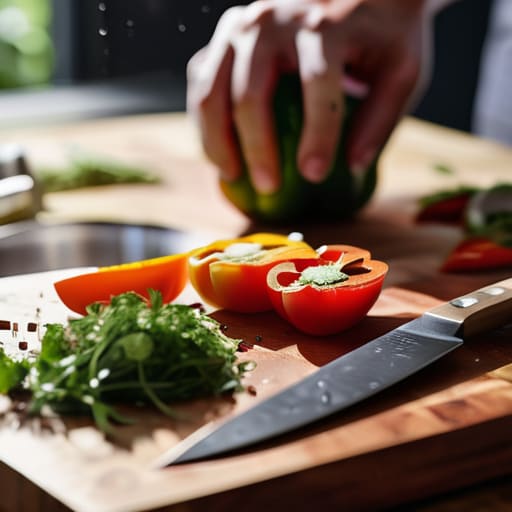
Look, I used to think that a dull knife was just part of the struggle, but it’s actually a massive safety hazard and a huge time sink. If you’re struggling to slice through a tomato without crushing it, your blade is crying for help. I learned the hard way that kitchen tool maintenance isn’t just for professional chefs; it’s a baseline requirement for anyone who wants to stop dreading prep work. Investing in a decent honing steel and learning how to use it will keep your edges crisp, making the whole process feel less like a workout and more like a flow state.
Once your tools are actually functional, you can start working on your actual knife skills for beginners. You don’t need to master fancy French julienne right away, but learning a proper grip and how to use the “claw” technique with your non-cutting hand is non-negotiable. When you aren’t fighting your equipment or worrying about slicing a finger off, your meal prep efficiency skyrockets. It turns a chaotic chore into a predictable, rhythmic system that actually feels sustainable.
Small Tweaks to Save You from Kitchen Burnout
- Stop relying on your memory for leftovers; grab a roll of painter’s tape and a Sharpie to label everything with a date. There is nothing worse than digging through the fridge only to realize that “mystery container” has been haunting you for two weeks.
- Set up a “prep station” before you even turn on the stove. Get a big cutting board, your knife, and a single large bowl for scraps. If you try to cook and clean at the same time, you’ll end up with a sink full of dishes and a burnt dinner.
- Invest in a decent digital thermometer if you haven’t already. Stop guessing if the chicken is done by cutting into it and letting all the juices out; just check the temp and move on with your life. It takes the anxiety out of the whole process.
- Create a “landing zone” for your grocery hauls. Instead of putting things away one by one as you unpack, group everything by category on the counter first. It makes the actual putting-away part way faster and keeps you from getting distracted halfway through.
- Keep your most-used tools—like your salt, pepper, and good olive oil—within arm’s reach of the stove. If you have to walk across the kitchen every time you need to season something, you’re just adding unnecessary friction to your workflow.
The Bottom Line: Making It Stick
Stop trying to overhaul your entire kitchen in one weekend; just pick one small system—like a dedicated snack drawer or a better knife sharpening routine—and master it first.
Focus on reducing friction, not achieving perfection, by organizing your space around how you actually move and cook, rather than how an aesthetic Pinterest board says you should.
Remember that good kitchen systems are meant to serve you, so if a certain organizational hack feels like more work than it’s worth, scrap it and try something more functional.
The Bottom Line
Look, I know it feels like a lot when you first look at the mountain of things you need to change, but you don’t have to overhaul your entire life by Monday. We’ve covered everything from sharpening your knives to actually making meal prep feel like a tool rather than a chore. The goal isn’t to turn your kitchen into a sterile, Pinterest-perfect showroom; it’s about building a space where you aren’t constantly fighting against your own environment. Whether it’s finally organizing that chaotic pantry or just getting your food storage situation under control, these small shifts are designed to remove the friction from your daily routine so you can actually enjoy the process of making something delicious.
At the end of the day, your kitchen should serve you, not the other way around. If a system isn’t working, toss it and try something else—there is no “correct” way to live, only the way that makes your life run smoother. Adulthood is messy, and your kitchen will inevitably get chaotic again, but that’s okay. As long as you have these basic frameworks in place, you’ll be able to reset without it feeling like a total emergency. Now, go grab that multi-tool or a sharp knife and start small. You’ve got this.
Frequently Asked Questions
How do I actually keep my knives sharp without buying a bunch of expensive professional gear?
Honestly, you don’t need a $200 whetstone set to keep your knives from feeling like butter knives. If you’re just starting out, grab a decent honing rod—it’s the easiest way to realign the edge while you’re actually cooking. For when they’re truly dull, a simple pull-through sharpener works in a pinch, but just don’t go overboard. My rule of thumb? Treat your tools well, and they’ll stop making your prep work a chore.
I have a tiny kitchen with zero counter space—how am I supposed to implement these systems?
I feel this in my soul. When your kitchen is basically a hallway with a stove, traditional advice is useless. You have to stop thinking horizontally and start thinking vertically. Get a magnetic knife strip, use over-the-sink drying racks, and invest in stackable containers. If you can’t find space on the counter, use the walls and the insides of your cabinet doors. It’s all about reclaiming every inch of unused air space.
What are the best ways to organize my fridge so things don't just rot in the back every single week?
The “black hole” at the back of the fridge is where good intentions go to die. To stop the rot, you need a “First In, First Out” system. Use clear bins to group things like “breakfast” or “snacks,” and keep a “Eat Me First” bin right at eye level for anything nearing its expiration. If you can’t see it, you won’t eat it. Stop burying leftovers behind a giant jar of pickles.