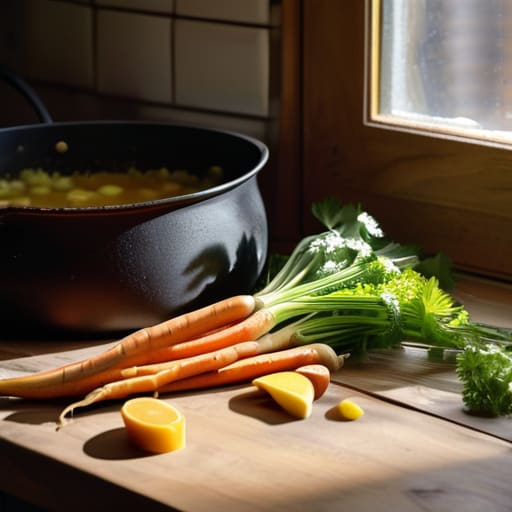
I used to think that learning how to make soup required a massive, expensive stockpot and a three-hour window of uninterrupted kitchen time, but that’s honestly just a recipe for burnout. Growing up, I watched my mom turn a random assortment of wilted veggies and a half-empty carton of broth into something that felt like a hug in a bowl, and she never once used a “gourmet” technique. Most recipe blogs make it feel like you need a culinary degree just to boil some water, but the truth is that good soup is about systems, not ceremony.
I’m not here to give you a list of fancy ingredients you’ll never use again or tell you to spend your entire Sunday hovering over a stove. Instead, I want to show you my actual, unpolished method for building flavor without the stress. We’re going to focus on a repeatable framework that works whether you’re using fresh produce or whatever is sitting in the back of your pantry. This is about making sure you have a warm, reliable meal ready to go when life gets chaotic, without the kitchen meltdown.
Table of Contents
- Ditch the Panic Why You Actually Need a Soup System
- The Foundation Mastering Your Stock vs Broth for Soup
- Building Flavor Without the Chaos Essential Soup Seasonings
- The Real Way How to Make Soup Using Simmering Techniques
- No More Thin Watery Mess Reliable Thickening Soup Methods
- My Low-Friction Cheat Sheet for Better Soup
- The Soup System Cheat Sheet
- The Low-Stress Soup System: Final Thoughts
- Frequently Asked Questions
Ditch the Panic Why You Actually Need a Soup System
Look, we’ve all been there: it’s 7:00 PM on a Tuesday, you’re exhausted, and the only thing standing between you and a breakdown is a meal that doesn’t involve a delivery app. Most people approach a pot of liquid as an afterthought, which is why they end up with something that tastes like warm, sad water. The problem isn’t your cooking ability; it’s that you’re trying to wing it without a framework.
When you stop treating every meal like a frantic experiment and start focusing on vegetable soup fundamentals, everything changes. You don’t need a pantry full of exotic spices; you just need to understand how to layer your flavors. Once you grasp the basic difference between stock vs broth for soup, you realize you aren’t just “making food”—you’re building a foundation. A system allows you to stop staring blankly at the pantry and start executing. It turns a chaotic kitchen moment into a predictable, low-effort win that actually nourishes you.
The Foundation Mastering Your Stock vs Broth for Soup
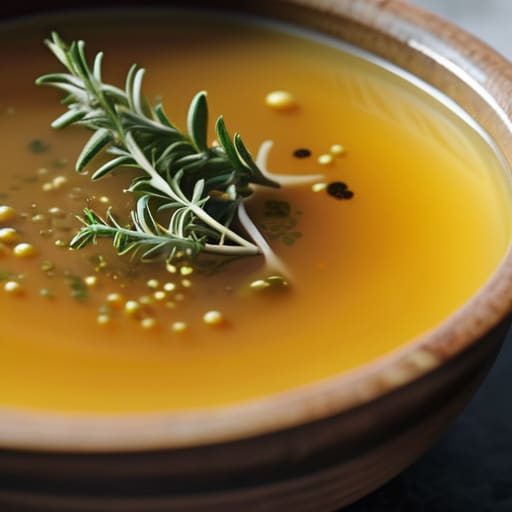
Before you even touch a knife, you need to understand the liquid foundation of your meal. Most people treat this part as an afterthought, but the distinction between stock vs broth for soup is actually where the soul of the dish lives. Think of stock as the heavy lifter; it’s usually made from bones and is rich in gelatin, giving your soup that silky, lip-smacking mouthfeel. Broth, on the other hand, is lighter and more herb-forward, perfect if you’re aiming for something refreshing rather than a hearty stew.
If you’re in a rush and reaching for a carton, just check the label. I usually lean toward low-sodium options because it gives me total control over the essential soup seasonings later on. If you use a salty store-bought base, you’re basically locked into that flavor profile, and it’s a nightmare to fix if it ends up tasting like a salt lick. My personal rule of thumb? Always aim for a base that tastes good on its own. If the liquid is boring, the whole bowl will be too.
Building Flavor Without the Chaos Essential Soup Seasonings
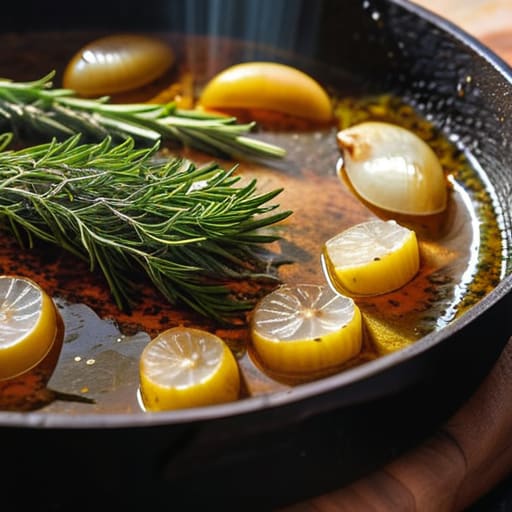
Once you’ve got your liquid foundation sorted, it’s time to talk about the stuff that actually makes your taste buds wake up. Most people think they need an expensive spice rack to make something decent, but honestly? It’s about layering. You want to start with the basics—garlic, onion, and maybe some dried thyme or oregano—and let them cook down before you even think about adding your main ingredients. This is where those essential soup seasonings really do the heavy lifting. If you just throw everything in at once, the flavors stay isolated and weird; you want them to marry into one cohesive vibe.
A pro tip I learned from my mom: don’t forget the acid. If your pot of goodness tastes “flat” or just boring, don’t reach for more salt immediately. Try a squeeze of lemon or a tiny splash of apple cider vinegar. It cuts through the heaviness and brightens everything up instantly. It’s one of those small, low-effort tweaks that makes a massive difference in your vegetable soup fundamentals. Keep it simple, keep it layered, and you won’t need a recipe book to save you.
The Real Way How to Make Soup Using Simmering Techniques
Once you’ve got your stock and seasonings sorted, it’s time to actually get the heat going. This is where most people mess up by turning the stove up to high, thinking they’re “cooking faster.” In reality, a violent boil just breaks down your ingredients into a sad, mushy mess and clouds your liquid. Instead, you want to master gentle simmering techniques for flavor development. You’re looking for those tiny, lazy bubbles that barely break the surface—what I call the “lazy simmer.” This slow heat allows the fats to emulsify and the aromatics to actually infuse the liquid rather than just floating around aimlessly.
If you’re working with tougher components like root vegetables or dried beans, patience is your best friend. I usually keep my heat on the lowest possible setting to ensure the vegetable soup fundamentals—like those sweet carrots and earthy onions—soften without losing their structural integrity. If you find your liquid is getting too thin and you want something more comforting, don’t reach for heavy cream right away. Try some simple thickening soup methods like mashing a few of the cooked veggies directly into the pot to create a natural, velvety texture.
No More Thin Watery Mess Reliable Thickening Soup Methods
There is nothing more disappointing than pouring a bowl of something you spent an hour on, only to realize it has the consistency of flavored water. If your soup feels more like a thin broth than a cohesive meal, you probably skipped the structural phase. One of my favorite thickening soup methods is the classic roux—just melting butter and whisking in flour before adding your liquid. It’s a total game-changer for creamy textures, but if you want something a bit more low-effort, just grab a potato. Grating a raw potato directly into the pot during your simmering phase adds starch that naturally binds everything together without needing a heavy cream finish.
If you’re leaning into more plant-based vegetable soup fundamentals, I swear by the “blend and stir” trick. Take a ladleful of your cooked beans or veggies, toss them into a blender (or use an immersion blender right in the pot), and whip them back into the base. This creates a rich, velvety mouthfeel that makes even the simplest ingredients feel incredibly intentional. It’s all about adding that body and substance so you actually feel full after eating.
My Low-Friction Cheat Sheet for Better Soup
- Don’t overthink the prep. If you’re exhausted, use a food processor to chop your aromatics instead of spending twenty minutes at the cutting board. It’s not cheating; it’s efficiency.
- Always taste as you go. A soup that tastes “flat” usually doesn’t need more salt—it needs acid. A tiny squeeze of lemon or a splash of vinegar at the very end can wake up the whole pot.
- Sauté your veggies first. If you just throw everything into boiling liquid, you’re basically making vegetable tea. Sautéing your onions, carrots, and celery in a little oil first builds that deep, foundational flavor.
- Keep a “soup kit” in your pantry. Having high-quality bouillon, dried herbs, and canned coconut milk or cream on hand means you can turn a random assortment of wilted veggies into a real meal in ten minutes.
- Let it rest. If you have the bandwidth, let your soup sit for even ten minutes after you turn off the heat. It allows the flavors to actually marry and the texture to settle so it doesn’t feel disjointed.
The Soup System Cheat Sheet
Stop treating soup like a recipe and start treating it like a process—focus on building layers of flavor (stock, aromatics, seasonings) rather than just following a list of ingredients.
Don’t settle for a watery mess; always have a thickening plan in your back pocket, whether that’s a simple roux, a starch slurry, or just mashing some of your veggies directly into the broth.
Control the heat to control the quality; low and slow simmering is your best friend for developing deep flavor without turning your ingredients into a mushy, overcooked afterthought.
The Low-Stress Soup System: Final Thoughts
At the end of the day, making a great soup isn’t about following a rigid, intimidating recipe from a dusty cookbook; it’s about understanding the mechanics of flavor. Once you’ve mastered the difference between a rich stock and a basic broth, learned how to layer your seasonings without overcomplicating things, and figured out which thickening method actually fits your texture goals, you’re no longer just “cooking”—you’re operating a system. You’ve moved past the phase of staring blankly at a pot of watery vegetables and into a space where you can actually trust your intuition. Stop worrying about perfection and just focus on building a solid foundation that works for your schedule and your pantry.
I know that sometimes, when you’ve had a long day and your brain feels like it has too many tabs open, even something as simple as deciding what to eat can feel overwhelming. But I promise you, once you have these little workflows in place, the kitchen becomes a place of recovery rather than another chore on your to-do list. Soup is the ultimate “low-friction” meal—it’s forgiving, it’s scalable, and it’s incredibly grounding. So, grab your favorite pot, trust the process, and just start simmering. You’ve got this.
Frequently Asked Questions
Can I actually use frozen veggies in my soup, or will it turn into a mushy mess?
Honestly, you can totally use frozen veggies, but there’s a trick to it so you don’t end up with a bowl of mush. The key is timing. If you toss them in at the start with your aromatics, they’ll definitely disintegrate. Wait until the last 5–10 minutes of simmering to add them. They’re already blanched, so they just need to heat through. It’s a massive time-saver for those “I can’t even” nights.
How do I stop my soup from tasting way too salty after it sits in the fridge overnight?
The “salt bomb” effect is real—as soup sits, the liquid reduces and those flavors just concentrate. If you wake up to a salt lick, don’t toss it. The easiest fix is to dilute it with a splash of unsalted stock or even just water, then bring it back to a simmer. If it’s still aggressive, stir in a dollop of Greek yogurt or heavy cream; the fat helps neutralize that sharp saltiness.
Is it worth it to make a massive batch for meal prep, or does the texture fall apart when I reheat it?
It’s absolutely worth it, but you have to be strategic. If you’re making something like a chunky beef stew, the texture holds up great, but delicate veggies or noodles will turn into mush by day three. My hack? Store your “add-ins”—like fresh greens, noodles, or crunchy toppings—separately. Reheat the base, then toss the fresh stuff in at the end. It keeps the meal from feeling like a soggy afterthought.