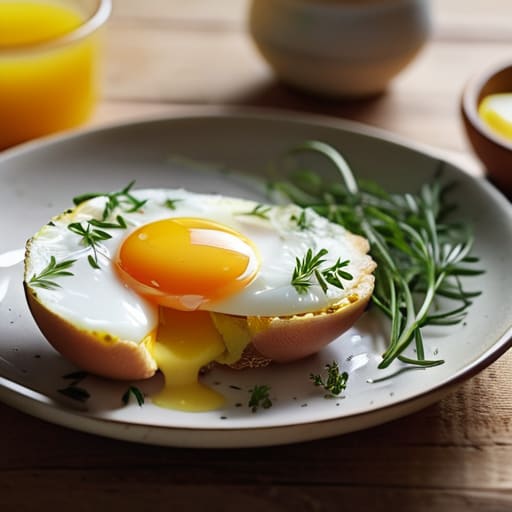
Can we please stop pretending that learning how to cook eggs requires a $500 copper pan and a culinary degree? I am so tired of seeing these overly polished, aesthetic videos where someone spends ten minutes talking about “flavor profiles” just to fry a single egg. It’s honestly exhausting. Growing up with a chef for a mom, I learned pretty quickly that the kitchen shouldn’t be a place of high-stakes performance; it should be about functional efficiency. If you’re staring at a carton of eggs feeling like you’re about to fail a chemistry exam, you’re doing it wrong.
I’m not here to give you a lecture or gatekeep some secret technique. My goal is to give you the actual, unpolished systems for mastering the basics so you can stop stressing and start eating. I’m going to break down exactly how to cook eggs using the minimal gear you already own and the repeatable steps that actually work when you’re running on four hours of sleep. No fluff, no expensive gadgets—just straightforward methods to make sure your breakfast is the easiest part of your day.
Table of Contents
- Stop Treating Breakfast Like an Emergency How to Cook Eggs
- The No Nonsense Boiled Egg Timing Guide for Busy Mornings
- Mastering Scrambled Egg Texture Tips Without the Culinary Gatekeeping
- The Foolproof Poached Egg Technique for Real Life
- Decoding Egg Cooking Temperatures for the Best Ways to Prepare Eggs
- The Small Systems That Actually Save Your Breakfast
- The TL;DR for Egg Success
- Getting the System Down
- Frequently Asked Questions
Stop Treating Breakfast Like an Emergency How to Cook Eggs
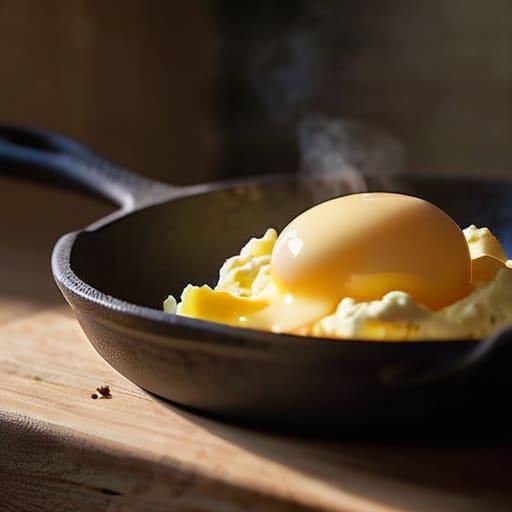
Look, the biggest mistake I see people making is thinking they need a culinary degree just to get protein on their plate. Most of the stress comes from trying to multitask when you should be focusing on heat management. If you’re aiming for those silky, cafe-style results, you need to master a few specific scrambled egg texture tips—the main one being to pull them off the heat before they look fully done. Residual heat is going to finish the job while they sit on your plate, so if they look perfect in the pan, they’ll be rubbery by the time you take a bite.
If you’re more of a “set it and forget it” person, stop guessing. Instead of hovering over a pot, use a simple boiled egg timing guide to take the anxiety out of the process. It’s all about the math: six minutes for jammy yolks, nine for a standard hard boil. Once you stop treating every breakfast like a high-stakes kitchen crisis and start relying on these tiny, repeatable systems, you’ll realize that getting fed shouldn’t be a chore.
The No Nonsense Boiled Egg Timing Guide for Busy Mornings
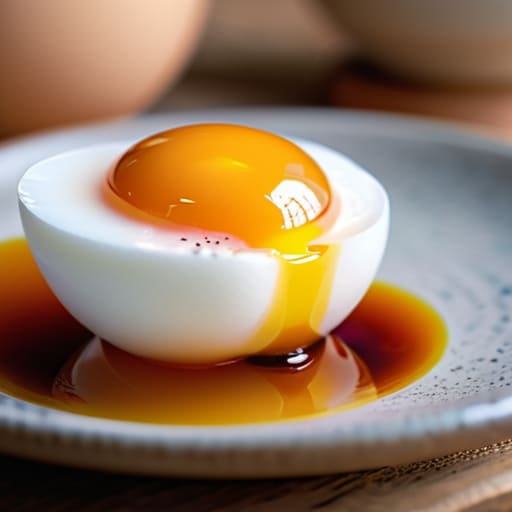
Look, I get it. You want protein, you want it fast, and you definitely don’t want to stand there staring at a pot of water for ten minutes wondering if you’ve gone too far. Most people fail at this because they treat boiling eggs like a guessing game, but it’s actually just a matter of math and a reliable boiled egg timing guide. If you’re looking for that jammy, soft-boiled center that feels like something from a high-end cafe, aim for exactly six and a half minutes. If you need something solid for a quick salad or to prep for the week, go for twelve.
The real trick to making this a repeatable system—and not a morning headache—is the ice bath. As soon as your timer goes off, plunge those eggs into a bowl of ice and water. This stops the cooking process instantly so you don’t end up with that weird, unappealing gray ring around the yolk. It’s one of those small, low-effort steps that makes a massive difference in your results. Once you master this, you’ve officially conquered one of the most basic breakfast egg methods without any of the stress.
Mastering Scrambled Egg Texture Tips Without the Culinary Gatekeeping
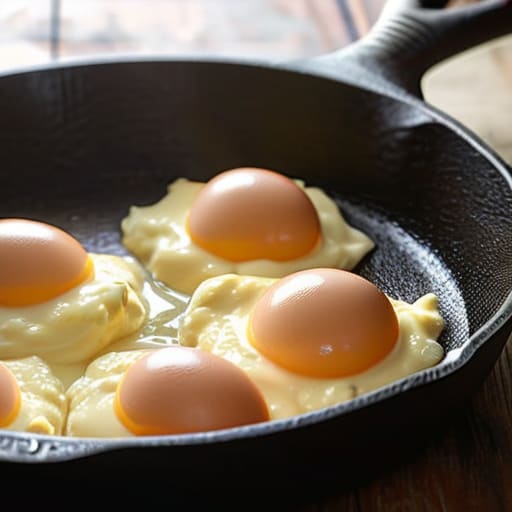
Look, if you’ve ever ended up with a plate of dry, rubbery yellow clumps, I promise you aren’t a bad cook—you’re just fighting the heat. Most people treat a pan like a battlefield, but the secret to actual scrambled egg texture tips is realizing that less is almost always more. You don’t need a whisking machine or a culinary degree; you just need to stop treating your stove like it’s on high alert.
The biggest mistake I see is cranking the heat to “max” because you’re in a rush. High heat turns eggs into spongey bits in seconds. Instead, aim for medium-low and keep things moving. If you want that creamy, cafe-style consistency, pull the pan off the heat while the eggs still look slightly wet. They’ll finish cooking on the plate from their own residual heat. It sounds counterintuitive, but it’s the easiest way to master different breakfast egg methods without the stress. Just keep a spatula handy, stay present for three minutes, and stop overthinking the process.
The Foolproof Poached Egg Technique for Real Life
Look, I get it. Poaching an egg feels like a high-stakes science experiment that usually ends with a sad, grey blob drifting aimlessly in a pot of water. It’s intimidating, and most recipes make it sound way more complicated than it actually is. But if you want to move past basic scrambled egg texture tips and actually master a cafe-style breakfast, you just need a system that accounts for physics rather than luck.
The secret isn’t some fancy culinary degree; it’s about managing the vortex and the temperature. First, ditch the rolling boil—that’s how you shred the whites. You want a gentle simmer, just enough to see tiny bubbles rising from the bottom. Crack your egg into a small ramekin first (this is non-negotiable for speed), then drop it into a slow-moving swirl of water. This poached egg technique relies on the water movement to wrap the whites around the yolk before they can scatter. If you can nail this, you’ve officially unlocked one of the best ways to prepare eggs without needing a sous-chef or a panic attack.
Decoding Egg Cooking Temperatures for the Best Ways to Prepare Eggs
Look, the biggest mistake I see people making isn’t about the eggs themselves—it’s about the heat. We’ve all been there: you’re trying to whip up a quick breakfast, you crank the burner to high because you’re in a rush, and suddenly you’re staring at a rubbery, grey mess. Understanding egg cooking temperatures is really the secret sauce to making sure your food actually tastes like food and not a science experiment gone wrong.
If you’re looking for the best ways to prepare eggs, you have to match the heat to the vibe. For something delicate like a soft scramble, you want low and slow—think of it as a gentle simmer rather than a boil. On the flip side, if you’re following a specific poached egg technique, you need that water just below a rolling boil so you don’t shred the whites into nothingness. It’s all about controlling the energy in the pan. Once you stop treating the stove like a race track, you’ll realize that most breakfast egg methods are actually pretty forgiving if you just respect the temperature.
The Small Systems That Actually Save Your Breakfast
- Stop using cold eggs straight from the fridge if you’re poaching; let them sit out for a few minutes or run them under warm water so they don’t shock the pan and mess up your timing.
- Invest in a decent non-stick pan—not because you’re fancy, but because scrubbing burnt egg residue off a cheap pan is a massive waste of your morning energy.
- Always keep a jar of flaky sea salt and some black pepper right next to the stove; seasoning as you go is way more efficient than hunting through your spice cabinet while your eggs are already overcooking.
- Use a timer for everything. Even if you think you “know” when a soft boil is done, your brain is lying to you when you’re tired, so just trust the clock.
- Keep a small bowl of ice water nearby when boiling eggs; it stops the cooking process instantly so you don’t end up with that weird, unappetizing gray ring around the yolk.
The TL;DR for Egg Success
Stop overthinking the heat; whether you’re scrambling or frying, low and slow is almost always your best friend to avoid that rubbery, overcooked texture.
Master one specific style—boiling, scrambling, or poaching—before trying to tackle them all; build a system for one so it becomes muscle memory.
Keep your tools simple and accessible, like a decent non-stick pan and a reliable timer, so you aren’t hunting through drawers when you’re actually hungry.
Getting the System Down
At the end of the day, cooking eggs isn’t about mastering some elite culinary art form; it’s about having a reliable system so you aren’t staring blankly at a pan when you’re already running five minutes late. Whether you’re timing your soft-boiled eggs to perfection, keeping your scramble creamy instead of rubbery, or finally tackling the “scary” poached egg technique, it all comes down to managing your heat and respecting the process. You don’t need a professional kitchen or a degree in gastronomy to get this right. You just need to remember that consistency beats complexity every single time. Once you have these basic frameworks in your mental toolkit, breakfast stops being a chore and starts being just another smooth part of your morning routine.
I know that adulthood can feel like a series of small, overwhelming fires you’re constantly trying to put out, but it doesn’t have to be that way. Learning how to handle the small things—like a simple carton of eggs—is how you start building a life that feels intentionally managed rather than chaotic. Don’t sweat the occasional broken yolk or the slightly overdone white; that’s just part of the learning curve. The goal isn’t perfection, it’s reducing the friction of your daily existence. Grab a pan, try one of these methods tomorrow, and give yourself credit for taking one more small step toward making your life run a little bit smoother.
Frequently Asked Questions
How do I know if an egg is actually still good to eat without cracking it open and risking a mess?
The Float Test is your best friend here. Grab a glass of water and drop the egg in. If it sinks to the bottom and stays flat, it’s fresh. If it stands upright on the bottom, it’s getting older but still fine to use. If it actually floats to the top? Toss it. Don’t even risk it. It’s a two-second system that saves you from a massive, smelly kitchen disaster.
Is there a way to prep these in advance for the week so I’m not standing over the stove every single morning?
Honestly, this is where the “system” really saves your sanity. Don’t cook them daily; batch-prep them. Boil a dozen eggs on Sunday night—keep them in their shells in a sealed container in the fridge. They’ll stay good for a week. If you want scrambled, whisk a batch in a mason jar and keep it chilled. Then, you’re just pouring and heating, not starting from scratch every single morning. Efficiency is everything.
What’s the best way to store leftover cooked eggs so they don't get that weird, rubbery texture by day two?
The secret to avoiding that rubbery, sad-looking texture is all about moisture control. First, let them cool completely at room temperature before you even think about the fridge—putting hot eggs in a container creates steam, and steam equals mush. Once cool, grab an airtight glass container. If they’re hard-boiled, keep them in their shells for as long as possible. If they’re already peeled or scrambled, just keep them tightly sealed so they don’t dry out.