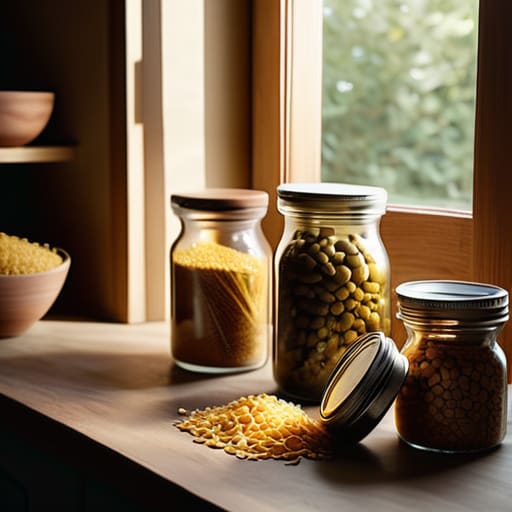
We’ve all been there: it’s 7:00 PM on a Tuesday, you’re exhausted from a long day of freelance calls, and the realization hits that you have absolutely nothing to eat. You stare into the fridge like it’s going to perform a miracle, only to end up spending forty dollars on mediocre takeout because you didn’t have the right pantry staples to always have on hand. I used to treat mealtime like a constant state of emergency, but I’ve realized that most of my “cooking crises” were actually just system failures. Adulthood is stressful enough without making your kitchen feel like a desert every time you’re actually hungry.
I’m not here to tell you to buy a hundred niche ingredients or follow some aesthetic, hyper-organized pantry trend that takes three hours to maintain. Instead, I’ve narrowed it down to the absolute essentials that actually do the heavy lifting. In this post, I’m sharing the five specific items that act as my personal safety net. These are the versatile, low-effort building blocks that will help you stop the frantic grocery runs and finally start making quick, decent meals without the mental burnout.
Table of Contents
The "I Forgot to Shop" Grain Base
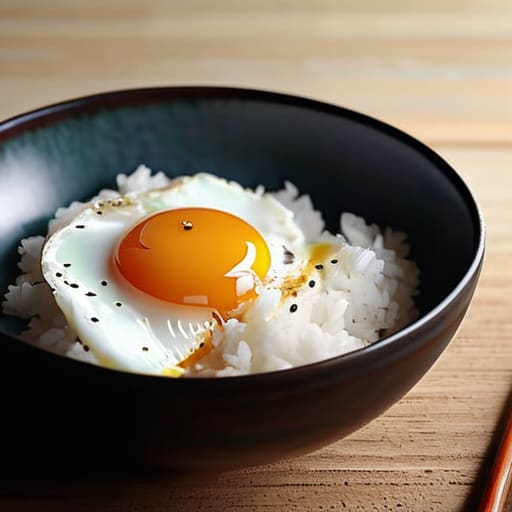
Honestly, if you don’t have a bag of jasmine rice or some quick-cooking quinoa in the back of your cupboard, you’re basically inviting a takeout order to drain your bank account. I used to think I needed a million different grains to be “culinary,” but really, you just need one reliable base that can absorb whatever flavor you throw at it. Whether it’s a quick stir-fry or just a bowl of rice with a fried egg on top, having a solid grain foundation is the ultimate safety net for those nights when your brain is too fried to plan a real meal.
Liquid Gold (The Good Olive Oil
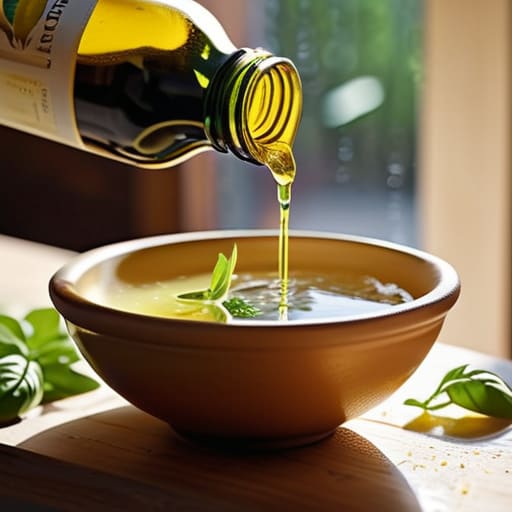
I know, I know—it feels a bit cliché to suggest oil, but please don’t buy that cheap, plastic-bottled stuff that tastes like nothing. If you’re going to use something as a primary cooking medium, invest in a decent extra virgin olive oil. It’s not just about the flavor; it’s about the versatility. A high-quality oil can be your cooking fat for sautéing, but it can also be your dressing if you’re just tossing a salad with some lemon and salt.
The Flavor Lifesavers
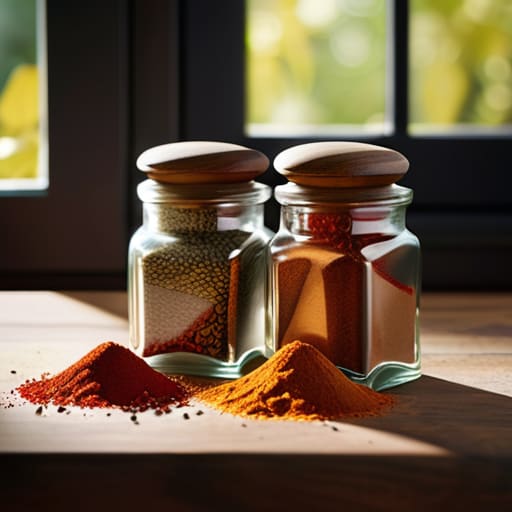
You can have the freshest produce in the world, but if your spice cabinet is just a collection of dusty, expired packets from 2019, your food is going to taste sad. I don’t advocate for a massive, overwhelming spice rack that takes up half your kitchen, but you absolutely need the “holy trinity”: garlic powder, smoked paprika, and some decent sea salt. These are the items that bridge the gap between “bland mush” and “actually delicious.”
Canned Beans (The Protein Shortcut)
Let’s be real: some days, the idea of prepping a protein from scratch feels completely impossible. That is exactly where canned chickpeas or black beans come in to save your life. They are shelf-stable, incredibly cheap, and require zero prep time beyond opening the lid and rinsing them off. I keep at least three cans of various beans in my pantry at all times so I never feel stuck.
The Acid Component
This is the one thing most people forget, and it’s usually why their home cooking feels like it’s “missing something.” I’m talking about vinegar or citrus. Whether it’s a bottle of apple cider vinegar or a couple of lemons that you keep in the fridge, acid is the secret weapon that cuts through heaviness and wakes up your taste buds. Without it, even the most expensive ingredients can end up tasting heavy and one-dimensional.
The Bottom Line
Stop trying to build a “perfect” kitchen; just focus on these five basics to kill the decision fatigue during the week.
A well-stocked pantry isn’t about hoarding food, it’s about buying yourself time and mental energy when you’re too tired to shop.
Use these staples as your foundation so you can actually be creative with whatever random leftovers or veggies you have on hand.
Building Your Safety Net
At the end of the day, building a solid pantry isn’t about having a perfectly curated, aesthetic kitchen that looks like a Pinterest board. It’s about having those core building blocks—your grains, oils, aromatics, and canned goods—ready to go so you aren’t staring blankly into an empty cupboard at 7:00 PM. When you have these five categories covered, you’ve essentially created a buffer against chaos. You move from “what am I going to eat?” to “what can I throw together with what I have?” which is a massive win for your mental energy.
Don’t feel like you have to overhaul your entire kitchen in one afternoon. Start small; grab one or two of these items on your next grocery run and let the system build itself over time. Adulthood is heavy enough as it is, so why make deciding on dinner even harder? My goal is for you to look at your pantry and feel a sense of quiet competence rather than a sense of overwhelm. You’ve got this, and honestly, once you start seeing how much time these little systems save you, you’ll wonder why you didn’t do it sooner.
Frequently Asked Questions
How do I know when these staples are actually going bad if they're shelf-stable?
Honestly, the “best by” dates are usually more about quality than safety, but I still play it smart. For dry goods like pasta or rice, if it smells musty or you see tiny movement (looking at you, pantry moths), toss it. For oils or canned goods, trust your nose—if it smells rancid or metallic, it’s done. If a can is bulging or dented, don’t even risk it. When in doubt, throw it out.
Is it worth buying the name brands, or can I just grab the generic store versions to save money?
Honestly, don’t overthink it. For things like salt, sugar, or canned beans, the store brand is literally the exact same stuff—just without the fancy marketing budget. Save your money there. However, I do swear by name brands for a few specific things, like certain spices or high-quality oils, where the flavor difference is actually noticeable. My rule of thumb? If it’s a base ingredient, go generic. If it’s the star of the show, splurge a little.
What are some quick meals I can make using only these items when I really don't feel like cooking?
Honestly, when I’m hitting a wall, I lean on the “assembly method” rather than actual cooking. If you’ve got those staples, just toss some pasta with olive oil, garlic, and red pepper flakes for a quick aglio e olio. Or, if you’re feeling slightly more ambitious, a quick grain bowl with canned beans and whatever spices you have on hand works wonders. It’s not gourmet, but it keeps the “what am I going to eat?” panic at bay.