There is nothing quite like the sheer, cold panic of standing in your bathroom at 7:00 AM, watching gray, stagnant water slowly rise toward your ankles because the sink decided to quit on you. Most people immediately think they need to call an expensive plumber or pour a gallon of caustic, skin-burning chemicals down the pipe, but honestly? That’s usually unnecessary overkill. I learned the hard way growing up that most plumbing issues aren’t a crisis; they’re just a system failure that needs a little manual intervention. Learning how to unclog a drain shouldn’t feel like a high-stakes emergency, even if the smell of standing water makes you want to move out immediately.
I’m not going to give you a lecture on professional plumbing theory or suggest you buy a $200 specialized tool. Instead, I’m sharing the actual, unpolished steps I use to fix my own sinks without breaking the bank or my spirit. We’re going to walk through the low-friction methods—from the basic plunger technique to the “zip tie” hack—that actually work in real life. My goal is to help you clear that blockage so you can get back to your morning routine and stop stressing about your pipes.
Table of Contents
Guide Overview
Tools & Supplies
- Plunger [Cup or flange style for creating suction]
- Drain Snake [Handheld auger to reach deep clogs]
- Baking Soda [1/2 cup for natural cleaning]
- White Vinegar [1/2 cup for chemical reaction]
Step-by-Step Instructions
- 1. First, let’s try the low-effort approach: the boiling water method. If you think it’s just a buildup of soap scum or grease, boil a kettle and pour it slowly down the drain in two or three stages. Give it a second to work its magic between pours, but don’t do this if you have PVC pipes, as the extreme heat can actually warp the joints.
- 2. If the hot water didn’t do the trick, grab your plunger—and no, the little sink ones don’t work as well as the flange plunger with the extra rubber flap. Make sure there’s enough water in the sink to cover the bell of the plunger, create a tight seal over the drain, and give it some really aggressive, rhythmic pumps. It’s all about creating that pressure vacuum to dislodge whatever is stuck.
- 3. If you’re dealing with a bathroom sink or tub, the culprit is almost always a clump of hair tangled in the stopper. I usually keep a small pair of tweezers or a “zip tie tool” in my kit for this. Pull out the stopper, reach in (wear gloves, seriously), and manually fish out the gunk. It’s gross, I know, but it’s way more effective than pouring chemicals down there.
- 4. For the stubborn clogs that won’t budge, it’s time to go under the sink and tackle the P-trap. Place a bucket underneath the U-shaped pipe to catch whatever mess comes out, then use your hands or a wrench to unscrew the slip nuts. Once the pipe is off, clear out the debris manually and rinse the pipe in another sink before putting it all back together.
- 5. If you’re feeling a bit more “DIY” and the clog is deeper in the pipes, you might need to use a drain snake (or an auger). Feed the cable into the drain until you feel resistance, then rotate the handle to hook onto the blockage. Slowly pull the cable back out, being careful not to force it too hard if you hit a bend, or you might end up causing a leak.
- 6. Once the water is finally flowing again, don’t just walk away. Flush the system one last time with a mixture of baking soda and white vinegar. It’ll fizz like a science fair project, but it helps clear out any remaining residue and freshens up the scent of the drain so your house doesn’t smell like a sewer.
Understanding How to Unclog a Drain
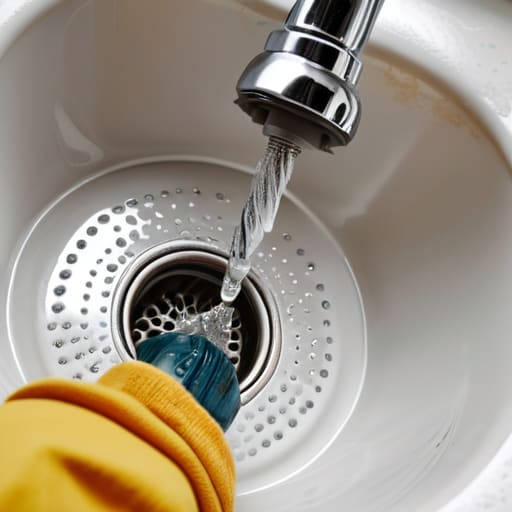
Before you start hacking away at the pipes, you need to figure out what you’re actually fighting. Most of the time, it’s a battle of physics. In the kitchen, it’s usually a buildup of grease and food particles that have turned into a solid mass. In the bathroom, the culprit is almost always removing hair from bathroom drains that has tangled around the stopper or caught on the pop-up assembly. If you can identify the “why” behind the clog, you can choose the right tool for the job instead of just guessing.
If the clog feels shallow, I’m a huge advocate for natural drain cleaner recipes rather than reaching for those harsh, caustic chemicals that can actually eat away at your pipes over time. A simple baking soda and vinegar drain method works wonders for minor slow-downs because the fizzing action helps break up organic matter without the toxic fumes. However, if you’re dealing with something deeper in the plumbing, you’ll eventually need to graduate to something more heavy-duty, like using a plumbing snake to physically hook and pull the blockage out.
Key Things to Know
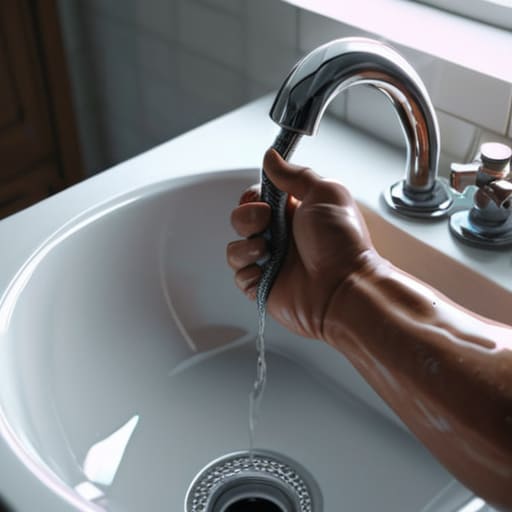
Before you go full DIY mode, there are a few things I’ve learned from watching my dad tackle plumbing disasters that you should keep in mind. First, know your limits. If you’ve tried a plunger and a few basic fixes and nothing is budging, it might be time to stop before you accidentally damage your pipes. Sometimes, using a plumbing snake is the only way to reach a deep blockage, and if that feels intimidating, don’t be afraid to call a professional. It’s better to pay for a plumber now than to replace a burst pipe later.
Also, let’s talk about prevention, because honestly, fixing a clog is way more annoying than avoiding one. I’m a big fan of the baking soda and vinegar drain method once a month just to keep things flowing. It’s a super simple, non-toxic way to clear out minor buildup before it turns into a full-blown emergency. If you’re dealing with a bathroom sink, just make sure you’re regularly removing hair from bathroom drains with a little tool—it’s gross, I know, but it’s a total game-changer for your sanity.
Pro-tips to save your sanity (and your pipes)
- Put the chemicals down. Seriously. Most of those heavy-duty liquid cleaners are super caustic and can actually damage older pipes or create a toxic mess if they don’t work. I’d much rather use a physical method like a plunger or a snake than risk a plumbing emergency later.
- Keep a “drain strainer” in every sink. It’s a tiny, cheap habit, but catching hair and food scraps before they even enter the drain is a total game-changer for preventing clogs in the first place.
- Don’t forget the boiling water trick. If you’re dealing with a slow drain caused by soap scum or grease buildup, pouring a kettle of boiling water down there can sometimes melt the gunk away without any extra effort. Just be careful if you have PVC pipes—don’t use water that’s too aggressive.
- Clean your P-trap regularly. If you’re feeling brave, unscrew the U-shaped pipe under the sink and manually clear out whatever is stuck in there. It’s a little gross, but it’s often the most effective way to deal with a stubborn clog.
- Be patient with the plunger. It’s not about how hard you hit it; it’s about the seal. Make sure there’s enough water in the sink to cover the plunger cup and give it steady, forceful pumps to create that suction needed to move the blockage.
The TL;DR Version
Start small and mechanical—don’t immediately reach for harsh chemicals that can damage your pipes; a plunger or a snake is almost always a safer, more effective first move.
Identify the culprit—knowing whether you’re dealing with a hair clog in the shower or grease buildup in the kitchen helps you pick the right tool for the job.
Build a maintenance habit—the best way to avoid a plumbing emergency is to use mesh strainers and avoid dumping fats down the sink in the first place.
Don't Let a Clog Get the Best of You
At the end of the day, dealing with a clogged drain is really just about choosing the right tool for the specific level of mess you’re facing. Whether you started with a simple plunger, moved on to some baking soda and vinegar, or had to break out the actual snake, the goal was the same: restoring your flow. Remember that most of these issues are just minor friction points in your daily routine that can be solved with a little bit of patience and the right system. Just make sure you don’t go overboard with harsh chemical cleaners, as those can end up being way more trouble than they’re worth in the long run.
I know that staring at a sink full of standing water can feel like one of those “adulting is hard” moments, but honestly, you’ve got this. Once you realize that most household hiccups are just small puzzles waiting to be solved, they lose their power to stress you out. My best advice is to view these little maintenance tasks as part of your personal systems rather than unexpected emergencies. Keep your tools handy, stay calm, and remember that a little bit of proactive maintenance goes a long way in keeping your space—and your sanity—running smoothly.
Frequently Asked Questions
Is it actually safe to use those heavy-duty chemical cleaners, or am I just going to ruin my pipes?
Honestly? I’d avoid them if you can. I know they look tempting when you’re staring at a sink full of murky water, but those heavy-duty chemicals are super harsh. They generate intense heat that can actually warp PVC pipes or eat away at older metal ones over time. If you’ve already poured some down, don’t add anything else. It’s much safer to stick to a plunger or a drain snake than to risk a plumbing nightmare.
How do I know if the clog is something I can fix myself or if I’m officially at the "call a professional" stage?
Honestly, it’s all about the “effort vs. result” ratio. If you’ve tried a plunger and some baking soda and the water is still sitting there like a stagnant pond, stop. If you start seeing water backing up into your shower when you flush the toilet, that’s a main line issue—don’t touch that. If you feel any resistance when using a snake, pull back. Don’t risk a flooded kitchen just to save a service fee.
What should I do if I try plunging and the water just stays stuck or starts backing up into other sinks?
If the water isn’t budging or—worse—it’s backing up into your shower while you’re working on the kitchen sink, you’ve officially moved past a simple clog. This usually means the blockage is deeper in your main stack or there’s a venting issue. Stop plunging immediately; you’re just pushing pressure around now. At this point, it’s time to call a pro. It’s frustrating and expensive, but forcing it can lead to much costlier pipe damage.