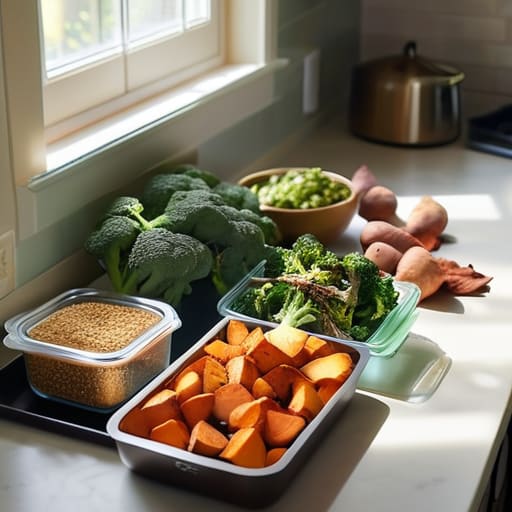
I used to think that “meal prepping” meant spending my entire Sunday afternoon in a frantic, flour-dusted trance, assembling twenty identical plastic containers of bland, steamed broccoli and unseasoned chicken. If I see one more aesthetic TikTok of someone spending six hours making “gourmet” mason jar salads that turn into soggy mush by Wednesday, I’m going to lose it. Real life isn’t a Pinterest board, and honestly, most of those complicated recipes are just a recipe for burnout. I’ve learned the hard way that the goal of make ahead meals shouldn’t be to become a part-time chef; it should be to stop that 6 PM panic where you end up staring blankly into a fridge full of ingredients you’re too tired to actually use.
I’m not here to sell you on a lifestyle overhaul or a complicated grocery list that costs more than my monthly utility bill. Instead, I want to show you how to build a sustainable system of food that actually works with your schedule, not against it. I’m talking about low-effort, high-reward basics that you can mix and match so you don’t feel like you’re eating the same thing every single day. We’re stripping away the gatekeeping and focusing on actual efficiency so you can reclaim your week.
Table of Contents
- Stop the Chaos Why Make Ahead Meals Are Non Negotiable
- Mastering Weekly Meal Planning Strategies Without the Overwhelm
- Real World Healthy Meal Prep Ideas for Actual Human Lives
- Budget Friendly Meal Prep and Time Saving Cooking Hacks
- Pro Systems for Portion Control Meal Planning and Freezing
- My Cheat Sheet for Not Failing at Meal Prep
- The Bottom Line: Making It Stick
- The Bottom Line
- Frequently Asked Questions
Stop the Chaos Why Make Ahead Meals Are Non Negotiable
Let’s be real: the “emergency” version of my Tuesday usually involves me staring blankly into a fridge full of random ingredients, eventually giving up and ordering expensive takeout. It’s exhausting, it’s expensive, and it’s a total drain on my mental bandwidth. I used to think I didn’t have time for this, but I realized that the time I “save” by not cooking is actually lost to the decision fatigue and the stress of trying to figure out what to eat when I’m already running on fumes.
That’s where a solid system comes in. Implementing actual weekly meal planning strategies isn’t about being a Pinterest perfectionist; it’s about reclaiming your evening. When you have a plan, you aren’t negotiating with your hunger at 7 PM. You’re just executing a system. It’s one of those small, repeatable wins that keeps your life from feeling like a constant scramble. Beyond just saving time, it’s probably the most effective way to stick to a budget without feeling deprived, because you’re actually using what you bought instead of letting it rot in the crisper drawer.
Mastering Weekly Meal Planning Strategies Without the Overwhelm
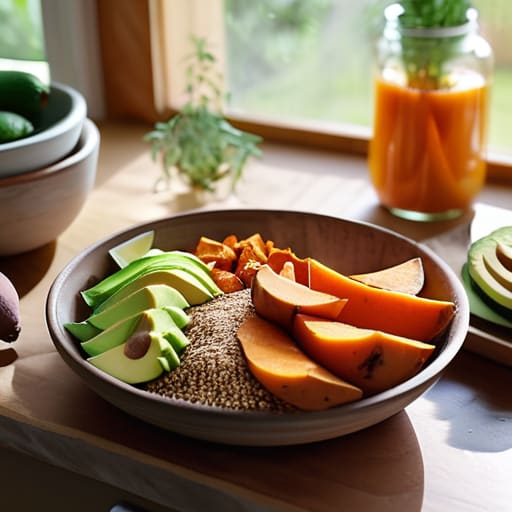
The biggest mistake I see people make is trying to plan a seven-day, five-course menu like they’re auditioning for a cooking show. That is a fast track to burnout. Instead, I swear by simple weekly meal planning strategies that focus on components rather than rigid recipes. Think of it as building a modular kit: roast a big batch of sweet potatoes, cook a mountain of quinoa, and prep two different proteins. If you have these building blocks ready, you can pivot from a grain bowl to a taco salad in about three minutes without needing a new recipe.
Once you have your components, the real magic happens in how you store them. Don’t just throw everything into random Tupperware; invest in some decent meal prep containers for freezing so you can build a “library” of back-up meals for those nights when your brain is totally fried. I also highly recommend the “cook once, eat twice” rule. If you’re making chili on Sunday, make double. It takes almost no extra effort, but it buys you an extra evening of freedom later in the week.
Real World Healthy Meal Prep Ideas for Actual Human Lives
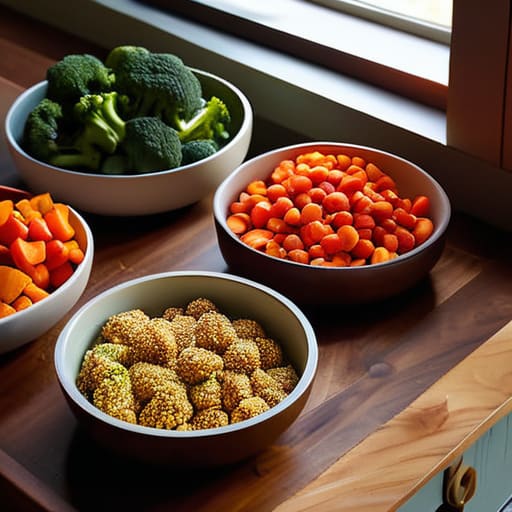
Let’s be real: most “meal prep” content online features aesthetic glass jars filled with perfectly arranged quinoa and kale that no one actually wants to eat by Thursday. My approach is a bit more chaotic but way more sustainable. Instead of trying to cook five different recipes, I focus on building blocks. I’ll roast two sheet pans of seasonal veggies, cook a massive batch of grains, and prep a protein like shredded chicken or seasoned chickpeas. Once you have these components, you can mix and match them all week so you aren’t staring at the same sad salad every single day.
If you’re working with a tight schedule or a tighter budget, lean into batch cooking basics. Think hearty soups, stews, or heavy chili—stuff that actually tastes better after sitting in the fridge for a day. For those of us who occasionally forget we even cooked, investing in decent meal prep containers for freezing is a total game changer. You can portion out extra servings and toss them in the freezer for those “I can’t even deal with cooking tonight” moments. It’s about creating a safety net, not a chore.
Budget Friendly Meal Prep and Time Saving Cooking Hacks
Let’s be real: the biggest barrier to staying on track isn’t a lack of willpower; it’s usually just being broke or being exhausted. If you’re trying to do budget friendly meal prep without spending your entire paycheck on organic microgreens, you have to get strategic. I’ve learned that buying staples in bulk—think grains, dried beans, and frozen veggies—is a total game changer. Frozen produce is just as nutritious as the fresh stuff, but it won’t rot in your crisper drawer if you have a chaotic week.
To save your sanity during the actual cooking process, I swear by a few specific time saving cooking hacks. For example, don’t chop every single vegetable individually; use a food processor or just buy the pre-cut stuff if it’s on sale. Also, if you’re prepping things like stews or chili, invest in some decent meal prep containers for freezing. There is nothing more satisfying than pulling a pre-portioned, homemade meal out of the freezer when you’re too tired to even look at a stove. It turns a potential takeout disaster into a five-minute win.
Pro Systems for Portion Control Meal Planning and Freezing
If you’ve ever pulled a massive, frozen block of spaghetti out of the freezer only to realize it’s enough to feed a small village, you’ve missed a crucial step in your system. To make this actually sustainable, you need to stop thinking in “batches” and start thinking in individual servings. I swear by using specific meal prep containers for freezing—the glass ones are great for reheating, but if you’re tight on space, high-quality silicone bags are total game changers. When you portion everything out immediately, you eliminate that mid-week decision fatigue where you end up ordering takeout because you can’t figure out how much of a dish you actually have left.
The real secret to long-term success is the “component method.” Instead of freezing full meals, try freezing portions of proteins or grains separately. This gives you way more flexibility; you can pivot from a grain bowl to a stir-fry in minutes. It’s one of those time saving cooking hacks that actually works when life gets messy. Just label everything with a piece of masking tape and a sharpie—date, contents, and portion size. It feels a little extra, but trust me, your future, exhausted self will thank you.
My Cheat Sheet for Not Failing at Meal Prep
- Don’t try to cook five new recipes at once. That’s how you end up with a kitchen full of expensive, untouched ingredients and a massive sense of defeat. Pick one “base” protein or grain and just make a huge batch of it to use in different ways throughout the week.
- Invest in a decent set of uniform glass containers. I know, it feels like a “lifestyle influencer” thing, but it actually matters. When everything fits perfectly in your fridge and stacks neatly, you can actually see what you have, which stops you from buying a third jar of salsa because you forgot the first two were hiding in the back.
- Use the “component method” instead of full meals. Sometimes a pre-assembled container of pasta feels heavy or boring by Thursday. Instead, prep roasted veggies, a cooked grain, and a protein separately. It gives you the flexibility to mix and match so you don’t get “flavor fatigue.”
- Label everything with a piece of masking tape and a sharpie. It sounds extra, but knowing exactly when that chili went into the freezer saves you from the dreaded “is this still safe to eat?” mental spiral.
- Embrace the “semi-homemade” shortcut. If you’re having a brutal week, don’t feel guilty about using a rotisserie chicken or a bag of pre-washed salad greens. The goal is to eat well with minimal friction, not to win a Michelin star in your own kitchen.
The Bottom Line: Making It Stick
Don’t aim for perfection or a Pinterest-worthy fridge; just aim to have one or two reliable “emergency” meals ready so you aren’t defaulting to expensive takeout when your brain is fried.
Build systems, not just recipes. Whether it’s prepping a big batch of grains or using your freezer strategically, the goal is to reduce the number of decisions you have to make during the week.
Start small and scale up. You don’t need to spend your entire Sunday in the kitchen; even prepping just one protein or one vegetable can be the difference between a chaotic Tuesday and a manageable one.
The Bottom Line
At the end of the day, meal prepping isn’t about becoming a Pinterest-perfect chef or spending your entire Sunday hovering over a stove. It’s about the systems we talked about—the smart grocery lists, the batch-cooking basics, and the freezing hacks that actually save you time. Whether you’re just starting with one big batch of grains or you’re diving deep into full-week portion control, the goal is the same: to stop the constant decision fatigue that hits when you’re hungry and exhausted. You don’t have to do everything at once; just pick one strategy from this guide and start there.
Adulthood is messy, and some weeks are going to feel like a total whirlwind regardless of how many Tupperware containers you have lined up in your fridge. That’s okay. The point of these systems isn’t perfection—it’s about building a safety net for when life gets loud. When you have a solid foundation of make-ahead meals, you aren’t just feeding yourself; you’re buying back your own peace of mind. So, grab your multi-tool, clear some counter space, and let’s make this week a little less chaotic. You’ve totally got this.
Frequently Asked Questions
How do I keep my prepped meals from tasting like soggy leftovers by Thursday?
The “soggy leftover” vibe is usually a texture issue, not a flavor one. First, let your food cool completely before sealing the containers; trapping steam is how you get mushy veggies. Second, stop mixing everything in one bowl. Keep your proteins, grains, and greens in separate compartments so they don’t marinate in each other’s juices. Finally, keep your sauces on the side. Reheating is way less depressing when you add the dressing right before eating.
Is it actually safer to freeze everything, or am I going to end up with freezer burn after a week?
Honestly, it’s a bit of both. If you’re eating something within 3–4 days, the fridge is your best friend. But if you’re prepping for the long haul, freezing is the only way to stop the “what’s for dinner” panic. To avoid that nasty freezer burn, just make sure your containers are airtight or use heavy-duty freezer bags with all the air squeezed out. Think of it as protecting your investment so you don’t waste money.
What’s the best way to prep if I only have a tiny kitchen and zero counter space?
Honestly, the “everything on the counter” approach is a lie. If you’re working with a tiny kitchen, you have to treat it like a high-efficiency workstation. Stop trying to prep everything at once. Instead, use the “one-in, one-out” rule: clear a spot, chop, then move everything immediately into the fridge or a single bin. Invest in nesting bowls to save space, and honestly? Use your cutting board as your only real real estate.