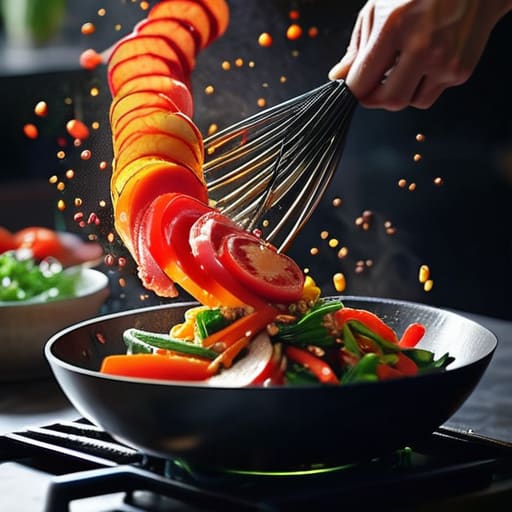
Can we please stop pretending that you need a professional-grade carbon steel wok and a literal flame ritual just to get a decent meal on the table? I see these recipe blogs acting like you need twenty different specialized sauces and a degree in culinary arts just to figure out how to make a stir fry that doesn’t end up as a soggy, sad mess in a bowl. Honestly, the gatekeeping around “authentic” techniques is exhausting, especially when you’re just trying to eat something nutritious after a ten-hour workday without losing your mind.
I’m not here to give you a lecture on high-heat physics or sell you a $200 pan you’ll never use. Instead, I’m giving you the actual, unpolished system I use to get dinner done in under twenty minutes using whatever is currently wilting in my crisper drawer. I’ll show you the exact order of operations to keep your veggies crisp and your protein juicy, stripping away the fluff so you can master how to make a stir fry that actually works for your life.
Table of Contents
Understanding How to Make a Stir Fry
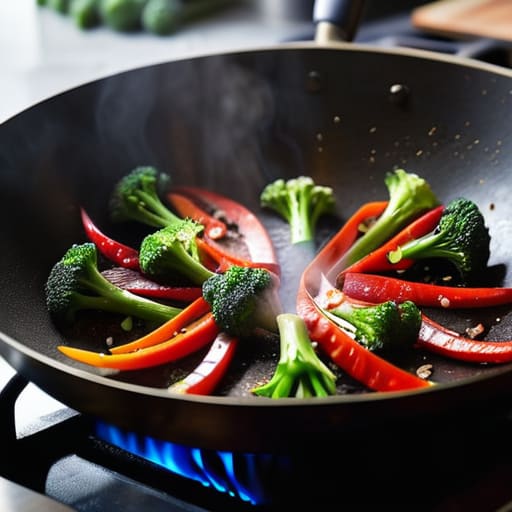
Before you even touch a burner, you need to understand that stir frying isn’t just “fast cooking”—it’s about managing heat and timing so nothing turns into a soggy mess. The whole point is to achieve that slightly charred, crisp-tender texture that makes the dish feel professional. To get there, you have to master high heat cooking methods; if your pan isn’t screaming hot, your veggies will just steam in their own juices, and nobody wants a sad, grey pile of broccoli.
The real secret, though, is that 90% of the work happens before the heat is even on. I’m a huge believer in extreme prep. Because everything moves so fast once the oil hits the pan, you need your vegetable prep for stir fry to be completely finished—chopped, measured, and organized in bowls next to the stove. You also can’t forget the aromatics. Getting your garlic, ginger, and scallions ready to go means you won’t be frantically peeling things while your protein is literally burning in the pan. It’s all about building a system that keeps up with the flame.
Key Things to Know
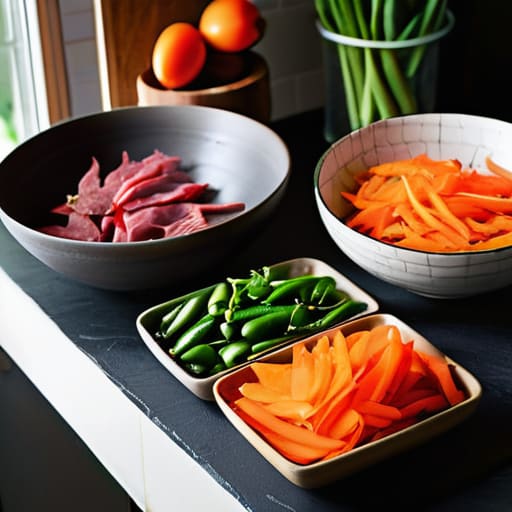
Before you even turn on the stove, there are two things that will either make this a success or a total kitchen disaster: your prep and your heat. First, let’s talk about vegetable prep for stir fry. You cannot be chopping carrots while your garlic is already burning in the pan. Everything needs to be sliced, measured, and sitting in bowls next to you. If you’re working with protein, I highly recommend looking into the velveting meat technique. It sounds fancy, but it’s basically just a quick marinade with cornstarch that keeps your chicken or beef from turning into rubbery bits once it hits the pan.
The second thing is the temperature. This isn’t a low-and-slow braise; you need to embrace high heat cooking methods. If your pan isn’t screaming hot, you’re just steaming your food, which leads to that sad, soggy texture we’re all trying to avoid. Also, don’t forget your essential stir fry aromatics. A little bit of fresh ginger and smashed garlic goes a long way in making your kitchen smell like a legitimate takeout spot instead of just a random Tuesday night.
Practical Tips and Steps
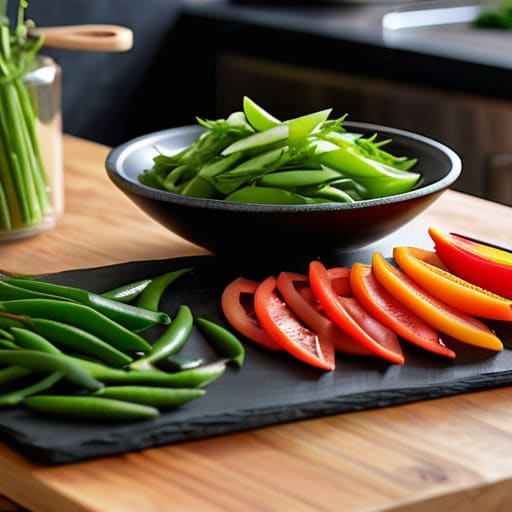
The biggest mistake I see people make is trying to cook while they’re actually standing at the stove. If you wait until the oil is smoking to start chopping, you’ve already lost. You need to nail your vegetable prep for stir fry before you even turn on the burner. Get everything sliced, diced, and organized into little bowls. I’m talking about your proteins, your greens, and those essential stir fry aromatics like garlic and ginger. Once that heat hits the pan, things move incredibly fast, and you won’t have time to hunt for a knife.
When you’re ready to actually cook, remember that this is all about high heat cooking methods. You want that sizzle the second the food hits the pan. If you’re working with chicken or beef and want that restaurant-quality texture, look into the velveting meat technique—it’s a total game-changer for keeping things tender. Just toss your prepped ingredients in, hit them with your sauce, and keep everything moving. It’s not about being a chef; it’s just about having a solid workflow so you aren’t scrambling mid-meal.
Common Mistakes to Avoid
The biggest mistake I see people make is treating a stir fry like a slow-simmered stew. If you crowd your pan with too much stuff at once, the temperature drops, and instead of a crisp sear, you end up with a sad, watery mess. You really need to embrace high heat cooking methods to get that signature char. If you aren’t working in small batches, you’re basically just boiling your vegetables in their own juices, and nobody wants that.
Another thing that trips people up is the “prep panic.” If you’re chopping garlic while your oil is already smoking, you’ve already lost the battle. You need to have all your vegetable prep for stir fry finished and your sauces pre-mixed before you even turn on the stove. I also see a lot of people skipping the aromatics or using low-quality oils that burn too fast. Don’t skimp on the ginger or garlic; those essential stir fry aromatics are what actually make the dish taste like restaurant quality rather than just a pile of warm veggies.
Final Thoughts
At the end of the day, don’t let the fear of a messy kitchen or a ruined meal stop you from trying this. Cooking isn’t about achieving Michelin-star perfection every single night; it’s about having a reliable system that feeds you when you’re tired. Whether you’re mastering high heat cooking methods or just throwing together whatever is left in your crisper drawer, the goal is to make dinner feel less like a chore and more like a win.
If you find yourself getting overwhelmed, just come back to the basics. Focus on your vegetable prep for stir fry ahead of time so you aren’t scrambling while the pan is smoking, and keep your pantry stocked with the essentials. Once you get the rhythm of the heat and the timing down, it becomes muscle memory. You don’t need a fancy culinary degree to make something delicious—you just need a hot pan and a bit of confidence. You’ve got this.
My Non-Negotiable Rules for Stir Fry Success
- Prep everything before you even touch the stove. Seriously. Once that pan gets hot, you won’t have time to chop a carrot or find the soy sauce while your garlic is burning. Have every single ingredient in little bowls ready to go.
- Don’t overcrowd the pan. If you dump a mountain of veggies in at once, the temperature drops, they start steaming instead of searing, and you end up with a soggy mess instead of that nice char we’re actually looking for. Work in batches if you have to.
- Cut everything into uniform, bite-sized pieces. It’s not just about aesthetics; it’s about physics. If your broccoli florets are huge and your snap peas are tiny, one will be raw and the other will be mush by the time you’re done.
- Dry your proteins and veggies. Excess moisture is the enemy of a good stir fry. If your shrimp or sliced chicken is still dripping with water, it’s going to boil in the pan. Pat them dry with a paper towel first to ensure you get that golden-brown crust.
- Master the heat. You want your pan screaming hot. If you’re using a standard non-stick pan, keep a close eye on it, but if you’ve got a wok or cast iron, let it get to that point where it’s almost smoking. That high heat is what creates that specific “restaurant” flavor.
The Quick Cheat Sheet
Prep everything before you touch the stove—once that pan gets hot, there’s no turning back, so have your veggies chopped and your sauce mixed.
Don’t crowd the pan; if you dump too much in at once, you’ll end up steaming a soggy mess instead of getting those crispy, delicious edges.
High heat is your best friend, but keep things moving constantly so nothing burns while you’re trying to manage the different textures.
The Bottom Line
At the end of the day, a great stir fry isn’t about following a rigid, complicated recipe from a cookbook; it’s about mastering the rhythm of the pan. Just remember to prep everything before you even turn on the heat, keep your sauce components ready to go, and don’t be afraid to crank up the temperature to get that essential sear. If you manage your ingredients and your heat, you’ve already won half the battle. It’s really just a system of preparation that prevents the mid-cook panic and ensures you aren’t staring at a pile of raw broccoli while your garlic burns in the pan.
I know that sometimes the idea of “cooking from scratch” feels like just another chore on an already overflowing to-do list, but once you have this system down, it becomes a massive time-saver rather than a drain. Stop looking at dinner as a high-stakes performance and start seeing it as a way to fuel yourself without the burnout. You don’t need to be a professional chef to make something that tastes incredible and actually nourishes you. Just trust your instincts, keep your tools handy, and remember that even a slightly charred veggie is better than a takeout bag that leaves you feeling sluggish. You’ve got this.
Frequently Asked Questions
Can I use a regular non-stick skillet if I don't own a wok?
Look, if you don’t own a wok, don’t panic. You can absolutely use a regular non-stick skillet. Just keep in mind that a wok is designed to distribute intense heat quickly, so with a flat pan, you’ll need to work in smaller batches. If you crowd the skillet with too many veggies at once, they’ll steam and get mushy instead of getting that nice sear. Small batches = better texture. You’ve got this.
How do I stop my veggies from turning into a mushy mess?
The secret is all about timing and heat management. Stop throwing everything into the pan at once. Hard veggies like carrots or broccoli need a head start, while leafy greens or peppers only need a minute. Also, don’t crowd the pan—if you pile it too high, the veggies steam in their own moisture instead of searing. Keep the heat high, work in batches if you have to, and pull them off the heat while they still have a bit of a crunch.
What’s the best way to prep everything ahead of time so I'm not scrambling while the pan is smoking hot?
The secret is “mise en place”—which is just a fancy chef way of saying “get your life together before you turn on the stove.” Seriously, don’t even touch the heat until every single thing is in its own little bowl. Chop your veggies, slice your protein, and whisk your sauce in a separate container first. If you’re chopping while the oil is smoking, you’ve already lost the battle. Prep everything, then just execute.