I still remember the exact moment I realized I was being lied to. I was twenty-two, standing in the middle of a big-box hardware store, staring at a $300 “professional grade” starter kit that looked more like a collection of shiny, useless plastic than actual equipment. I had a leaky kitchen faucet and a sense of impending doom, but that kit wasn’t going to help me fix it. The truth is, the industry loves to gatekeep by making you think you need a massive, expensive workshop just to handle basic home maintenance. You don’t. Most of the stuff they try to upsell you on is just clutter that takes up space in your closet. I’ve spent years figuring out which essential tools for diy actually earn their keep and which ones are just expensive distractions.
I’m not here to give you a shopping list of everything you could possibly use if you were a professional contractor. Instead, I want to give you the actual, unpolished blueprint for a toolkit that works. My goal is to help you build a setup that reduces the friction of adulthood, focusing on a few reliable pieces that will actually stop your house from falling apart. We’re going to strip away the hype and focus on functional, high-impact gear that fits into a real life.
Table of Contents
- The No Panic Starter Kit Essential Tools for Diy Success
- Hand Tools vs Power Tools Choosing Your Fighting Style
- Your Budget Friendly Diy Gear Stop Overspending on Fluff
- Beyond the Basics Building Your Beginner Woodworking Equipment
- The Maintenance Tool Checklist to End the Home Emergencies
- 5 Ways to Keep Your Gear From Becoming Junk
- The TL;DR on Not Stressing Your Wallet or Your Sanity
- The Bottom Line
- Frequently Asked Questions
The No Panic Starter Kit Essential Tools for Diy Success
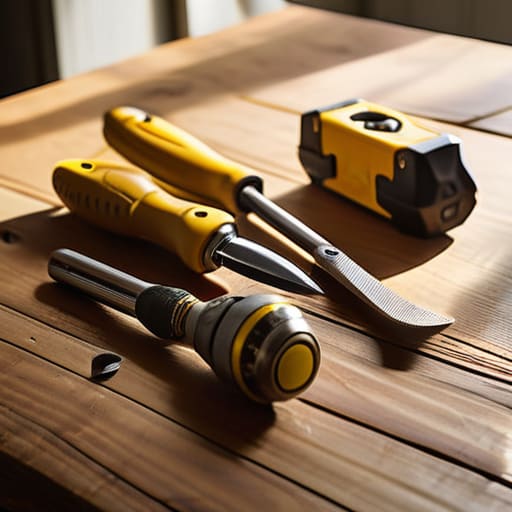
Look, you don’t need a garage full of heavy machinery to start fixing things around your apartment. Most of the time, you’re just trying to tighten a loose screw or hang a heavy mirror without it crashing into your floor. I always tell people to start with a solid maintenance tool checklist rather than running to the hardware store and grabbing everything that looks shiny. You really just need the basics: a decent multi-bit screwdriver, a hammer that doesn’t feel like it’s going to snap in half, and a high-quality tape measure.
When you’re deciding between hand tools vs power tools, my rule of thumb is to master the manual stuff first. There’s no point in buying a high-end cordless drill if you haven’t even learned how to use a level properly. If you’re on a tight budget, focus on getting one really good version of a tool rather than a cheap five-piece set that breaks the second you apply pressure. Investing in a few reliable pieces of budget friendly diy gear early on saves you so much frustration (and money) in the long run.
Hand Tools vs Power Tools Choosing Your Fighting Style
When you’re first starting out, the debate of hand tools vs power tools can feel a little overwhelming, like you’re choosing a side in a war you didn’t sign up for. Here’s the truth: you don’t need a garage full of heavy machinery to be “handy.” Hand tools are your bread and butter. They’re precise, they’re quiet, and they don’t require a dedicated charging station. If you’re just tightening a loose cabinet handle or assembling flat-pack furniture, a solid screwdriver and a hammer are your best friends. They’re the foundation of any budget friendly diy gear collection because they’re reliable and easy to control.
That said, power tools are the “cheat codes” of adulthood. If you’re looking into beginner woodworking equipment or even just hanging a heavy floating shelf, a cordless drill is going to save you a massive amount of physical frustration. I used to think I could manual-labor my way through everything, but once I invested in a decent drill, my DIY speed tripled. The goal isn’t to own every gadget on the shelf; it’s about knowing when a bit of extra torque is worth the investment to keep your projects from becoming a headache.
Your Budget Friendly Diy Gear Stop Overspending on Fluff
Look, I get it. You walk into a big-box hardware store and suddenly feel like you need a $500 professional-grade drill set just to hang a floating shelf. That is a total trap. Most of those massive, pre-packaged home improvement starter kit bundles are actually just a way to sell you twenty mediocre tools when you really only need five good ones. My rule of thumb? Buy for the project you have today, not the imaginary workshop you think you’ll own in three years.
Instead of dropping a fortune on everything under the sun, focus on building a curated collection of budget friendly diy gear that actually lasts. I’m a huge advocate for hitting up thrift stores or Facebook Marketplace for high-quality, vintage hand tools—they often have better weight and durability than the cheap plastic stuff sold today. If you’re just starting out, prioritize quality over quantity. It’s much better to own one solid, reliable screwdriver that won’t strip your screws than a massive set of flimsy junk that ends up in a landfill by next month.
Beyond the Basics Building Your Beginner Woodworking Equipment
Once you’ve mastered the basics of fixing a loose cabinet hinge or tightening a screw, you’ll probably feel that itch to actually make something. I remember my first attempt at a simple floating shelf; I thought I could wing it with just a screwdriver and some luck, but I quickly realized that beginner woodworking equipment requires a bit more intentionality. You don’t need a massive, expensive workshop to start, but you do need a few things that go beyond a standard home improvement starter kit.
Start by investing in a decent combination square and a decent set of wood chisels. These aren’t just for show; they are the difference between a joint that fits perfectly and one that looks like a toddler hacked at it with a butter knife. If you’re leaning toward the electric side of things, a small orbital sander is a total game-changer for smoothing out surfaces without spending hours doing it by hand. My advice? Don’t rush into buying every gadget on the shelf. Focus on quality over quantity so you aren’t stuck with a drawer full of cheap plastic that breaks the first time you hit a knot in the wood.
The Maintenance Tool Checklist to End the Home Emergencies
Look, there is a massive difference between having a collection of tools for a hobby and having a maintenance tool checklist that actually saves your sanity when something breaks at 10 PM. I’m not talking about setting up a full-blown workshop; I’m talking about the stuff that prevents a minor drip from turning into a flooded kitchen. You need a dedicated “emergency kit” mindset. This means having a high-quality adjustable wrench, a set of screwdrivers that won’t strip your screws, and a reliable flashlight always within reach.
When you’re building this out, don’t feel pressured to jump straight into heavy-duty beginner woodworking equipment or expensive machinery. Most home emergencies are actually pretty small and boring—a loose cabinet handle, a wobbly chair, or a slow drain. Focus your energy on gathering essential workshop supplies that handle these quick fixes. If you have these basics tucked away in one organized spot, you stop reacting to your house like it’s a crisis and start managing it like a pro. It’s all about reducing that friction before the chaos starts.
5 Ways to Keep Your Gear From Becoming Junk
- Stop buying the “all-in-one” kits. They usually promise the world but give you ten mediocre versions of the same thing. I’ve learned the hard way that it’s much better to buy one high-quality screwdriver that actually grips than a 50-piece set where half the bits strip the moment you touch a screw.
- Learn the “One-Project Rule” before you hit the hardware store. Don’t go in thinking, “I might need this someday.” That’s how you end up with a drawer full of random hex keys and specialized wrenches you’ll never touch again. Only buy what your current project—or the very next one—demands.
- Treat your tools like they’re actually worth something. I know it sounds extra, but wiping down a metal surface or oiling a hinge after you use it takes ten seconds and prevents that annoying rust that ruins everything. A little bit of upkeep means you aren’t fighting your own equipment halfway through a job.
- Organize by frequency of use, not by “type.” I don’t care if all the hammers go together; I care that the stuff I grab every single week is right at the front of my kit. If you have to dig through a heavy plastic bin to find your measuring tape, you’re going to lose momentum and probably end up frustrated.
- Don’t be afraid to borrow or rent. If you need a heavy-duty power drill for a one-off weekend project, don’t drop $200 on a professional model. Ask a neighbor, check a local tool library, or rent one. Your goal is to finish the task, not to own every piece of machinery on the planet.
The TL;DR on Not Stressing Your Wallet or Your Sanity
Don’t fall for the “complete set” trap; buy what you actually need for the specific problem you’re solving right now.
Prioritize quality over quantity—one decent screwdriver you can actually rely on is better than a 50-piece kit of junk that breaks the first time you use it.
Maintenance is your best defense; keeping your tools clean and organized means you won’t be scrambling for a working hammer when something actually breaks.
The Bottom Line
Look, we’ve covered a lot of ground, from picking your first set of hand tools to figuring out when it’s actually worth dropping cash on power equipment. The biggest takeaway I want you to hold onto is that you don’t need a professional-grade workshop or a massive budget to start fixing things yourself. Whether you’re building a basic woodworking kit or just trying to maintain a functional living space so nothing breaks at 2 AM, the goal is the same: building a system that works for you. Start small, buy quality over quantity, and focus on the tools that solve your immediate problems rather than the ones that just look cool in a catalog.
At the end of the day, having these tools isn’t about becoming a master craftsman or spending every weekend covered in sawdust. It’s about the quiet confidence that comes from knowing you can handle whatever your environment throws at you. There is a specific kind of peace that settles in when you realize you don’t have to call a professional for every minor hiccup. So, grab that multi-tool, build your kit one piece at a time, and stop letting small repairs feel like massive emergencies. You’ve totally got this.
Frequently Asked Questions
I really want to start, but is it better to buy one high-quality drill or a cheap set that has everything included?
Honestly? Buy the one high-quality drill. I know the “all-in-one” kits look tempting when you’re staring at your bank account, but those cheap sets are usually a trap. You’ll end up with a motor that burns out halfway through a project and bits that strip every screw you touch. It’s way less frustrating to have one reliable tool that actually works than a box full of junk that makes you want to quit.
How do I know if a tool is actually worth the investment or if it's just some overpriced brand name I'm paying for?
Honestly, it’s a trap. I used to think buying the most expensive brand meant I was “doing it right,” but I was just paying for the logo. My rule of thumb? If you’re using it once a year, buy the cheap version. If you’re using it every weekend, invest in quality. Check the weight—cheap tools feel hollow and flimsy. If it feels like it’ll snap the first time you apply pressure, leave it on the shelf.
Where do I even store all this stuff so my apartment doesn't just look like a construction zone?
Look, I get it. The second you buy a drill, your living room starts looking like a hardware store exploded. To keep your space from feeling like a construction zone, stop thinking about “storage” and start thinking about “zones.” I swear by a sleek, rolling tool chest that tucks into a corner or a heavy-duty clear bin system inside a closet. If it’s out of sight, the mental clutter disappears too.