
I was halfway through a deep-dive research session for a client last Tuesday when I realized I’d been staring at my monitor for four hours straight without blinking. My eyes weren’t just tired; they felt like someone had shoved hot sand under my eyelids, and a dull headache was starting to bloom behind my temples. I’ve seen all the expensive “blue light blocking” ads and those overly clinical articles that tell you to buy a $300 ergonomic lamp, but honestly? Most of that is just noise. If you’re actually looking for how to reduce eye strain from screens, you don’t need a specialized gadget or a lifestyle overhaul—you just need a few sensible adjustments to the way you actually work.
I’m not here to sell you on some wellness miracle or gatekeep the “perfect” setup. Instead, I want to give you the unpolished, low-friction systems that actually work when you’re deep in the zone. I’m talking about the small, repeatable habits that keep your vision from feeling like a total wreck by 5:00 PM. We’re going to strip away the fluff and focus on the practical steps that make digital work sustainable, so you can stop treating your eyes like an afterthought.
Table of Contents
- Stop Treating Your Eyes Like an Afterthought How to Reduce Eye Strain From
- Identifying the Red Flags Recognizing Computer Vision Syndrome Symptoms
- The Low Maintenance Guide to an Ergonomic Workstation Setup
- Small Shifts for Big Relief Adjusting Screen Brightness and Contrast
- Real Systems for Real People the 20 20 20 Rule for Eye Health
- The "low-effort" toolkit for better screen habits
- The TL;DR on saving your sight
- The bottom line
- Frequently Asked Questions
Stop Treating Your Eyes Like an Afterthought How to Reduce Eye Strain From
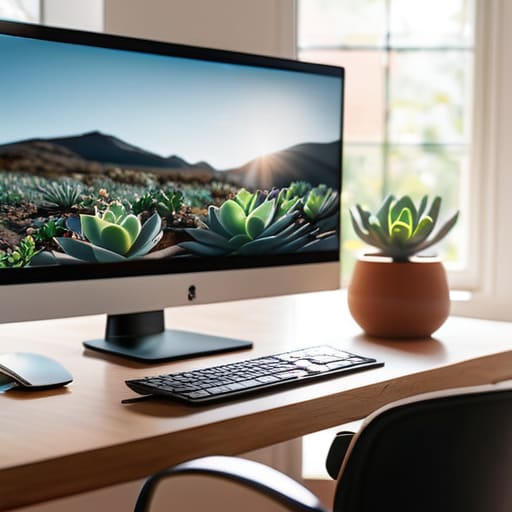
First, we need to talk about your environment, because most of us are working in setups that are basically designed to give us a headache. It’s not just about having a nice desk; it’s about a proper ergonomic workstation setup where your monitor is at eye level and not forcing you to hunch like a gargoyle. If you’re constantly squinting or leaning in, you’re already losing the battle. I started adjusting screen brightness and contrast to match the natural light in my room, and it was a total game-changer for that midday brain fog.
Beyond the hardware, you have to manage how you actually use your eyes. I used to think I could power through an eight-hour deep work session without blinking, but that’s a one-way ticket to feeling like your eyeballs are made of sand. I swear by the 20-20-20 rule for eye health: every twenty minutes, look at something twenty feet away for twenty seconds. It sounds tedious, but it’s the simplest way to stop the tension from building up before it even starts.
Identifying the Red Flags Recognizing Computer Vision Syndrome Symptoms
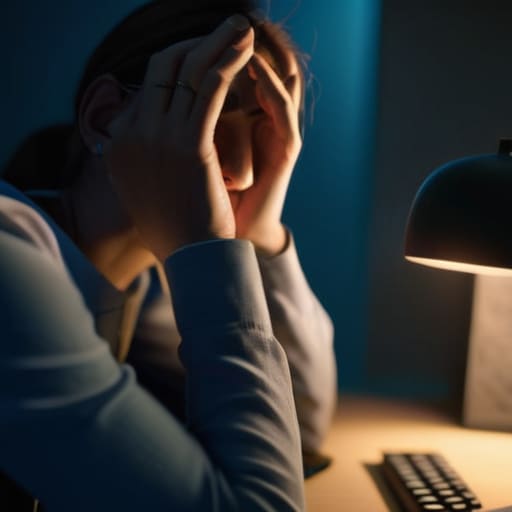
The thing about eye strain is that we’re all experts at ignoring it until it actually starts affecting our work. You’ll be mid-email and suddenly realize you’ve been squinting for ten minutes, or you’ll notice a dull, heavy ache behind your temples that just won’t quit. These aren’t just “tired eyes”—they are classic computer vision syndrome symptoms that your body is using to signal that your current setup is failing you.
If you find yourself rubbing your eyes constantly or feeling like your vision is getting a bit blurry toward the end of the day, take it as a warning. I used to think preventing dry eyes from computer use was just about drinking more water, but it’s actually much more about how often you blink and how you position your monitor. If you’re experiencing headaches, neck pain, or that weird “sand in your eyes” sensation, you’ve moved past simple fatigue and into a territory where you need to actually change your habits. Don’t wait for a migraine to force you to step away; listen to the small signs before they turn into a full-blown productivity killer.
The Low Maintenance Guide to an Ergonomic Workstation Setup
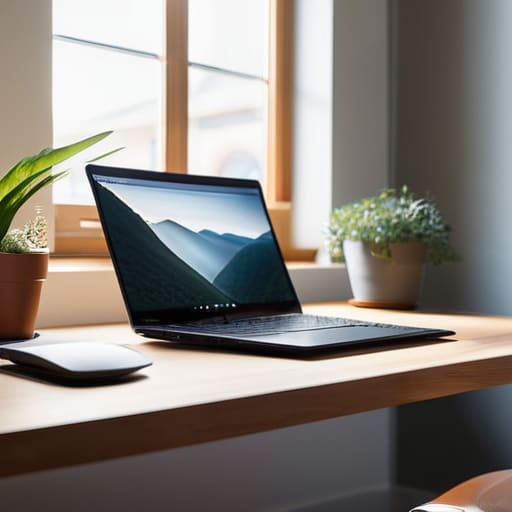
You don’t need to drop a grand on a high-end designer chair to fix your posture, but you do need to stop hunching like a gargoyle. A functional ergonomic workstation setup is mostly about geometry. Your monitor should be directly in front of you, about an arm’s length away, with the top third of the screen at eye level. If you’re constantly looking down at a laptop, your neck is going to pay for it by 3 PM. Grab a cheap laptop stand or even just a stack of old textbooks to get that height right; it’s a total game-changer for your spine.
Next, let’s talk about the environment. I used to think I could just blast my monitor at full brightness, but that’s a one-way ticket to a headache. You should be adjusting screen brightness and contrast so the light from your monitor matches the ambient light in your room. If your screen looks like a glowing lightbox in a dark room, you’re doing it wrong. Also, keep a bottle of preservative-free eye drops nearby—preventing dry eyes from computer use is much easier than trying to fix them once they’re already stinging.
Small Shifts for Big Relief Adjusting Screen Brightness and Contrast
Honestly, one of the biggest mistakes I made when I started freelancing was treating my monitor like a light source rather than a tool. If your screen looks like a glowing rectangle of pure white light in a dim room, you’re basically asking for a headache. A good rule of thumb is to match your screen’s luminance to the ambient light around you. If the room is dark, dim the screen; if it’s bright, crank it up. You want the white parts of your screen to look like a piece of paper sitting on your desk, not a flashlight pointed at your face.
It’s also about the contrast. If the text is too thin or the background is too gray, your eyes have to work twice as hard just to decode a single sentence. I’ve found that bumping up the contrast slightly makes reading much less taxing. While some people swear by blue light blocking glasses benefits, I think the most immediate fix is simply adjusting screen brightness and contrast to fit your environment. It’s a tiny tweak, but it stops that heavy, “sand in my eyes” feeling before it even starts.
Real Systems for Real People the 20 20 20 Rule for Eye Health
Look, I know the feeling of being five hours deep into a project and realizing you haven’t actually blinked in what feels like an eternity. Your eyes feel heavy, sandy, and just… tired. Most of us try to power through it, but that’s exactly how you end up with a massive headache by 4 PM. Instead of waiting for the pain to hit, you need a system that actually works with your workflow, not against it.
That’s where the 20-20-20 rule for eye health comes in. It’s incredibly simple: every 20 minutes, look at something at least 20 feet away for at least 20 seconds. It sounds almost too basic to be effective, but it’s essentially a forced reset for your eye muscles. By shifting your focus from a close-up screen to a distant object, you’re allowing your eyes to relax their constant inward strain. It’s one of the most effective ways of preventing dry eyes from computer use because it naturally encourages you to blink more often. Set a silent timer on your phone or a tab in your browser—just make it a non-negotiable part of your rhythm.
The "low-effort" toolkit for better screen habits
- Stop fighting the glare. If you see a reflection of your window or a lamp on your screen, you’re basically forcing your eye muscles to work overtime to focus through the mess. Move the desk, tilt the monitor, or just get a cheap anti-glare screen protector. It’s a five-minute fix that actually works.
- Ditch the blue light “blocker” apps if they’re making your screen look like an old piece of parchment. Instead, just use your OS’s built-in Night Shift or Night Light settings. Set them to kick in automatically at sunset so the transition is seamless and you don’t have to think about it.
- Check your font size before you start a deep work session. If you find yourself leaning forward or squinting to read an email, your system is broken. Bump that zoom up to 110% or 125% immediately. It feels weird for a second, but it stops the physical tension from building up in your neck.
- Keep your hydration levels actually consistent. It sounds like generic advice, but if you’re dehydrated, your eyes get dry and irritated way faster. Keep a water bottle at your desk—not as a “wellness goal,” but as a practical way to keep your tear film from drying out while you’re grinding.
- Use a matte screen protector if you work in a high-light environment. I used to think they were overkill, but if you’re constantly fighting light bouncing off a glossy display, your eyes are going to pay for it by 3 PM. It’s a one-time setup that removes a massive amount of daily friction.
The TL;DR on saving your sight
Stop ignoring the warning signs; if your eyes feel heavy or your vision is getting blurry, your body is literally telling you to step away from the desk.
You don’t need a fancy office makeover to fix your setup—just focus on the basics like screen height, lighting, and actually using the 20-20-20 rule.
Small, mindless adjustments like dimming your brightness and fixing your contrast make a massive difference in how much your head aches by 5 PM.
The bottom line
Look, I’m not saying you need to toss your laptop out the window and move to a cabin in the woods, but you can’t keep ignoring the physical signals your body is sending you. We’ve covered the basics: fixing your ergonomics so you aren’t hunched like a gargoyle, dialing in your brightness, and actually committing to the 20-20-20 rule. It’s about moving away from that “power through it” mentality that leads to massive headaches and total burnout. Once you start treating your workspace like a functional system rather than just a place where you sit and stare, the friction starts to disappear. It’s really just about small, repeatable adjustments that keep you from feeling like a zombie by 3:00 PM.
At the end of the day, your productivity shouldn’t come at the expense of your physical well-being. We spend so much time optimizing our workflows, our apps, and our schedules, but we often forget that we are the most important piece of hardware in the entire setup. Implementing these systems isn’t about being perfect or following a strict medical regimen; it’s about being kind to yourself so you can keep doing the work you love without the constant eye strain. Take the break, dim the screen, and stop treating your health like an afterthought. You’ve got this.
Frequently Asked Questions
I tried the 20-20-20 rule but I keep forgetting to do it; are there any low-effort ways to actually make it a habit?
Honestly, I used to fail at this constantly too. If you’re waiting for “discipline” to kick in, you’re going to lose. You need external triggers. I started using a browser extension that locks my screen for a minute every twenty minutes, but if that’s too aggressive, just tie it to a physical habit. Every time you take a sip of water or finish a specific task, look away. Make it an automatic reflex, not a scheduled chore.
Do blue light glasses actually do anything, or is it just another thing I don't need to buy?
Honestly? Most of the time, they’re just another thing cluttering up your desk. If you’re already fixing your brightness and actually following the 20-20-20 rule, a pair of blue light glasses probably won’t be a game-changer. They aren’t a magic fix for bad habits. Save your money unless you find that they personally help with glare or if you’re working late into the night and need to dial back the stimulation.
If I'm working in a dark room at night, does that make the eye strain way worse even if my brightness is low?
Honestly, yes. It’s a total trap. Even if you dim your screen, the massive contrast between a glowing monitor and a pitch-black room forces your pupils to constantly struggle to adjust. It’s like trying to focus on a flashlight in a cave; it’s exhausting for your eye muscles. If you can’t turn on a big overhead light, just grab a small desk lamp or some warm ambient lighting. It makes a huge difference.