Let’s be real: most of us treat mealtime like a high-stakes math equation we didn’t study for. You finish a long workday, your brain is fried, and suddenly the idea of chopping vegetables feels like a personal insult. We tell ourselves we’ll eat better, but then we end up staring blankly into a pantry before giving in to overpriced takeout because it’s the path of least resistance. I’ve spent way too many nights feeling that specific brand of “adulthood burnout” just because I didn’t have a plan. The truth is, finding easy healthy recipes shouldn’t feel like a second job or a lifestyle overhaul that requires a culinary degree and three hours of prep time.
I’m over the gatekeeping and the overly complicated “wellness” recipes that require ingredients you can’t find at a regular grocery store. In this post, I’m breaking down five of my go-to, low-friction meals that actually taste good and—more importantly—fit into a real schedule. These aren’t just ideas; they are repeatable systems designed to keep you fueled without turning your kitchen into a disaster zone. Get ready to reclaim your evenings and finally stop the constant cycle of decision fatigue.
Table of Contents
The "Everything in the Fridge" Grain Bowl
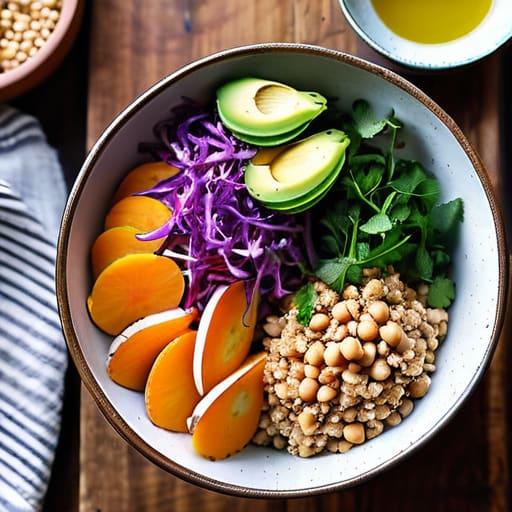
I used to think meal prepping meant spending my entire Sunday staring at a pile of raw kale, but that’s just not realistic for my workflow. Now, I rely on the grain bowl system because it’s basically impossible to mess up. All you need is a base of whatever grain you have on hand—quinoa, farro, or even just pre-cooked rice—and then you just layer on whatever veggies are about to go bad in your crisper drawer.
Sheet Pan Sausage and Veggies
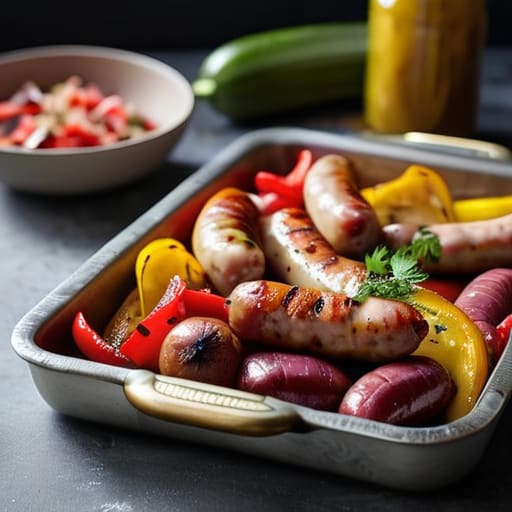
If you’re like me and hate the mental load of cleaning five different pots and pans after a long day, the sheet pan method is your new best friend. I grab a pack of high-quality chicken sausage, chop up some bell peppers, zucchini, and red onion, and toss them all on a single tray with olive oil and dried oregano. You just slide it into the oven and walk away until it’s crispy and delicious.
The Five-Minute Mediterranean Tuna Salad
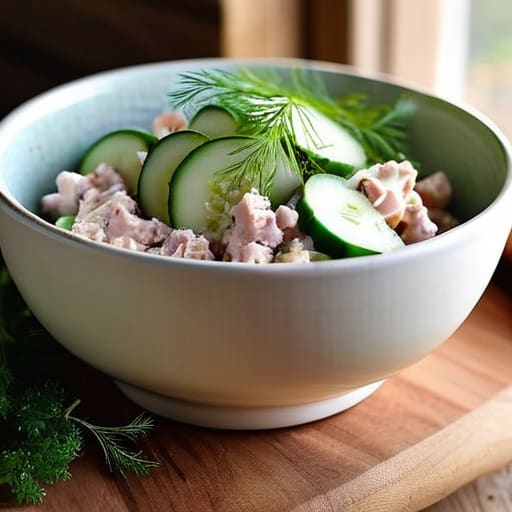
Let’s be real: sometimes you don’t even have the energy to turn on the stove. When I’m in the middle of a deep-work session and my stomach starts growling, I reach for this tuna salad because it requires zero actual cooking. I skip the heavy mayo and instead mix canned tuna with a big scoop of Greek yogurt, some diced cucumber, and a handful of chickpeas for extra protein.
One-Pot Pesto Pasta with Greens
I’ve learned that “healthy” doesn’t have to mean “salad only,” and this one-pot pasta is proof. I throw dried pasta, a jar of good pesto, some frozen peas, and a massive amount of baby spinach into a pot with just enough water or broth to cover it. As the pasta cooks, the spinach wilts into the sauce, making it feel like you’ve actually put in effort when you really just waited for a timer to go off.
Overnight Oats for the Non-Morning Person
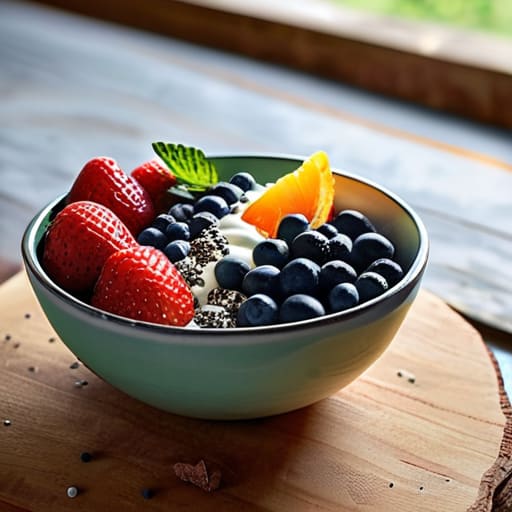
I am definitely not a morning person, so the concept of “cooking breakfast” at 7:00 AM feels like a personal attack. My solution is to prep overnight oats in small mason jars the night before. You just mix oats, milk of your choice, and a spoonful of chia seeds in a jar, let it sit in the fridge, and you have a grab-and-go breakfast waiting for you the next day.
The Bottom Line
Stop aiming for culinary perfection; the goal is just to get decent, nourishing food into your system without the mental burnout.
Build your meals around “modular” ingredients—things you can prep once and swap around all week to keep things from getting boring.
If a recipe requires a specialized tool or an hour of cleaning, skip it. The best system is the one you actually have the energy to follow.
The Bottom Line
At the end of the day, the goal isn’t to become a gourmet chef or spend your entire Sunday hovering over a stove. It’s about building a system where you can grab something nutritious without having to perform a mental marathon. Whether you’re leaning on the one-pan roasted veggies, prepping a massive batch of grains, or just keeping high-quality canned beans on hand, the key is removing the decision fatigue that usually leads to a takeout order. If you can master these five low-effort pivots, you’ve already won half the battle against the chaos of a busy week.
Don’t feel like you have to implement all of this at once. If you try to overhaul your entire kitchen in twenty-four hours, you’re probably going to burn out by Tuesday. Just pick one recipe from this list and try it this week. Small, repeatable wins are what actually stick. Adulthood is messy enough as it is, so let’s stop treating mealtime like another high-stakes chore and start treating it like a simple, manageable part of your routine. You’ve got this.
Frequently Asked Questions
How do I keep these meals from tasting like "sad desk salads" after a few days in the fridge?
The secret is keeping the “wet” stuff away from the “dry” stuff. If you toss dressing directly onto greens on Sunday, you’re basically eating compost by Wednesday. I always use small glass jars or even just tiny reusable silicone containers for my dressings and sauces. Keep the crunch—like seeds, nuts, or croutons—in a separate little snack bag. When you’re ready to eat, combine everything fresh. It takes ten extra seconds, but it’s the difference between a meal and a chore.
I’m on a tight budget—can I swap out the expensive ingredients for cheaper alternatives without ruining the recipes?
Absolutely. Most of these recipes are just frameworks, not strict rules. If a recipe calls for organic kale and it’s $6 a bunch, grab whatever leafy green is on sale instead. Swap fresh berries for frozen ones (they’re actually better for smoothies anyway), or use canned beans if the dried ones feel like too much work. The goal is to eat well, not to go broke. Just keep the ratios similar and you’ll be fine.
What’s the best way to prep these if I only have about an hour on a Sunday?
If you’ve only got sixty minutes, stop trying to cook everything from scratch. It’s a trap. Instead, focus on “component prepping.” While your grains are simmering, chop all your raw veggies at once. Use that time to roast one big tray of protein and another of veggies simultaneously. Don’t worry about individual meals; just get the building blocks ready in containers. It’s way more efficient than assembly-line cooking and saves your sanity.