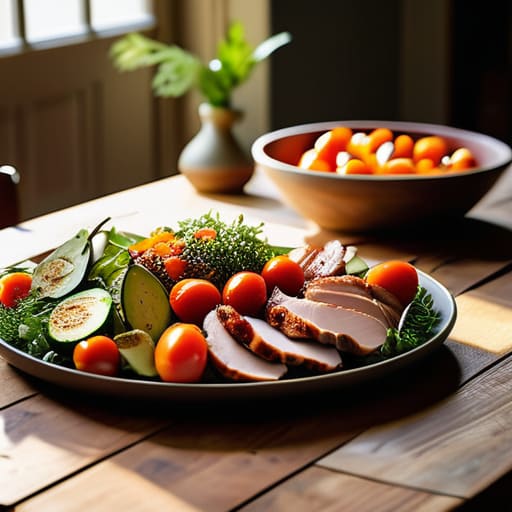
We’ve all been there: it’s 6:30 PM, you’re staring blankly into a fridge that contains half an onion and some questionable yogurt, and the sudden urge to just order takeout is overwhelming. The problem isn’t that you don’t care about your nutrition; it’s that the mental load of deciding what to cook after a long day of work feels like a second job. Most of the healthy dinner ideas you see on social media involve thirty ingredients and two hours of active prep time, which is just not realistic for anyone trying to maintain a semblance of a life.
I’m over the gatekeeping and the aesthetic, overly complicated recipes that end up gathering dust in a cookbook. Instead, I want to give you the actual, low-friction systems I use to keep myself fed without losing my mind. In this post, I’m breaking down five of my go-to, minimalist dinner setups that prioritize efficiency and flavor. You’re going to learn how to build meals that are genuinely nourishing but require almost zero decision fatigue, so you can actually spend your evening relaxing instead of hovering over a stove.
Table of Contents
The Sheet Pan Strategy
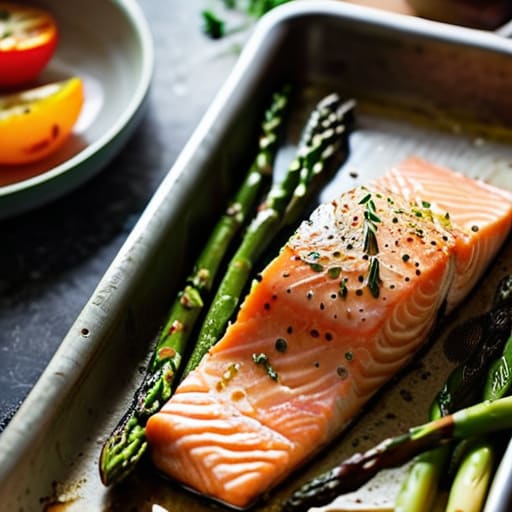
If you’re like me, the last thing you want to do after a long day of staring at a screen is scrub five different pots and pans. This is where the sheet pan method becomes your absolute best friend. You basically just toss a protein—think salmon fillets or chicken thighs—onto a tray with whatever veggies are looking sad in your crisper drawer, drizzle some olive oil and salt, and let the oven do the heavy lifting. It’s the ultimate low-effort, high-reward system for when your brain is fried.
The "Grain Bowl" Assembly Line
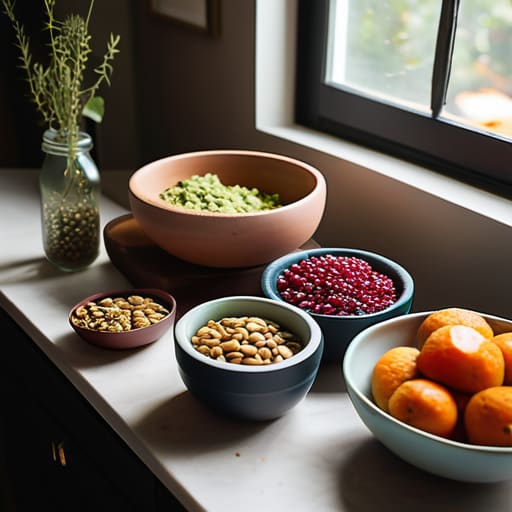
I used to think meal prepping meant spending my entire Sunday Tupperwaring identical portions of broccoli and chicken, but that honestly felt so clinical and boring. Instead, I’ve switched to a modular assembly line. I prep a big batch of a base—like quinoa, farro, or even just brown rice—and then keep a variety of shelf-stable toppings ready to go. It’s less about a strict recipe and more about building a system that adapts to whatever you have on hand.
One-Pot Pantry Pasta
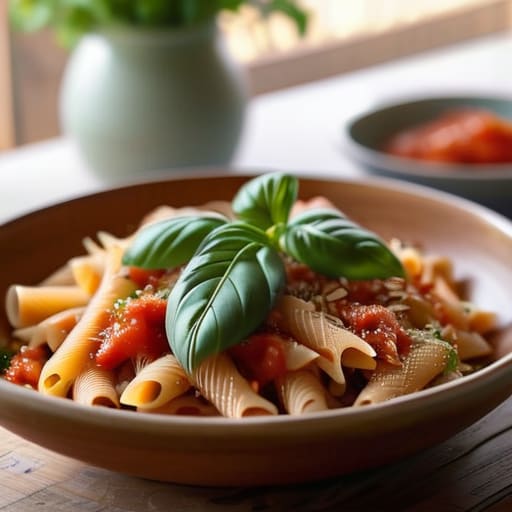
We all have those nights where the fridge looks completely empty, and the thought of a grocery run feels impossible. This is when I lean hard into my pantry staples. A box of whole grain pasta, a jar of marinara, and a tin of chickpeas or white beans can turn into a legitimate, nutrient-dense dinner in under fifteen minutes. It’s not gourmet, but it’s reliable and filling, which is exactly what you need when you’re running on empty.
Breakfast for Dinner (The Realistic Version)
Let’s be real: sometimes the most “efficient” dinner is just the meal you already know how to make perfectly. I’m a huge advocate for the “breakfast for dinner” pivot. Scrambling some eggs with a side of sautéed greens or making a quick veggie omelet takes about six minutes and requires almost zero mental bandwidth. It’s a sanity-saving hack for those nights when your decision fatigue is at an all-time high.
The "Big Batch" Soup Hack
There is a specific kind of peace that comes from having a massive pot of soup sitting in the fridge. I started making “dump soups” whenever I had an extra twenty minutes. You basically take whatever broth you have, throw in some lentils, canned tomatoes, and hearty veggies, and let it simmer. It’s the most cost-effective way to meal prep because you can use up all those random bits of produce that are about to go bad.
The Bottom Line
Stop aiming for Pinterest-perfect meals; focus on building a rotation of “emergency” dinners that require zero brainpower and minimal cleanup.
Systems beat willpower every single time—invest in a few reliable tools and pre-prepped staples so you aren’t negotiating with your hunger at 7 PM.
Nutrition doesn’t have to be complicated to be effective; if it’s simple, sustainable, and keeps you from ordering takeout, it’s a win.
The End of the Dinner Panic
At the end of the day, getting healthy food on your plate isn’t about following a rigid, Pinterest-perfect meal plan that leaves you feeling defeated by Tuesday. It’s about building a toolkit of low-effort wins—whether that’s mastering a single sheet-pan recipe, leaning on frozen veggies, or having a reliable “emergency” pantry staple ready to go. The goal isn’t perfection; it’s about creating a system that works for your actual life, even when you’re tired, busy, or just completely over it. When you stop trying to cook like a chef and start cooking like a person with a job and a life, everything gets a lot easier.
Please, stop treating every single meal like a high-stakes performance review. If you end up eating a bowl of cereal or a piece of toast because you simply don’t have the bandwidth for a full recipe, that is okay. Adulthood is a marathon, not a sprint, and your nutrition should serve you, not the other way around. Focus on these small, repeatable systems, and you’ll find that the 6 PM panic starts to fade away. You’ve got this, and more importantly, you’ve got a plan.
Frequently Asked Questions
How do I keep these meals from feeling like the same repetitive cycle every single week?
Honestly, the “same old thing” fatigue is real. The trick isn’t buying more ingredients; it’s about swapping your flavor profiles. I use a “base + sauce” system. One week, my roasted veggies and protein are Mediterranean with lemon and feta; the next, I hit them with soy sauce and ginger for an Asian-inspired vibe. Same prep, totally different meal. It breaks the monotony without adding any extra dishes to my sink.
What’s the best way to prep these without spending my entire Sunday afternoon stuck in the kitchen?
The secret is component prepping, not full meal prepping. Don’t spend four hours making individual Tupperware containers of specific meals; that’s how you end up bored by Tuesday. Instead, spend 45 minutes roasting a big tray of veggies, boiling a pot of grains, and prepping one protein. That’s it. Now you have building blocks. You can throw them together in five minutes during the week without feeling like you’re eating the same sad leftovers.
Can I actually make this work on a tight budget, or is "healthy eating" just code for expensive grocery hauls?
Honestly? It’s a total myth that you need a $200 weekly grocery haul to eat well. Most “wellness influencers” are selling a lifestyle that’s actually just a high budget. I’ve learned that the real hack is focusing on staples—think lentils, frozen veggies, and eggs—rather than expensive superfoods. If you shop the perimeter and buy generic, you can eat incredibly well without draining your savings. It’s about the system, not the price tag.